
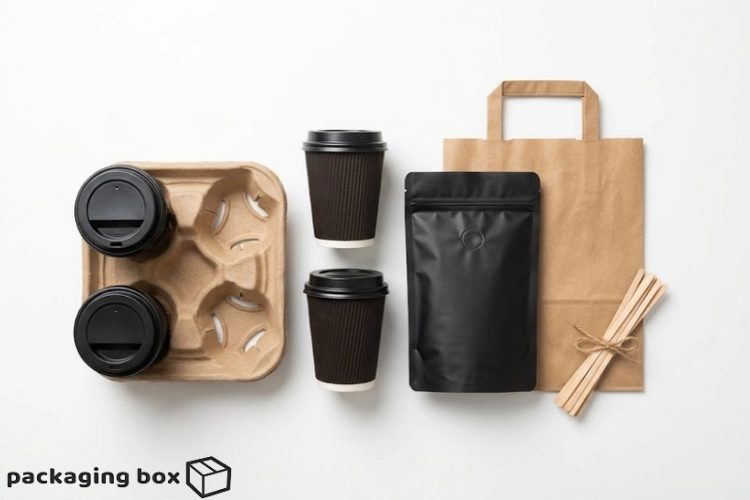

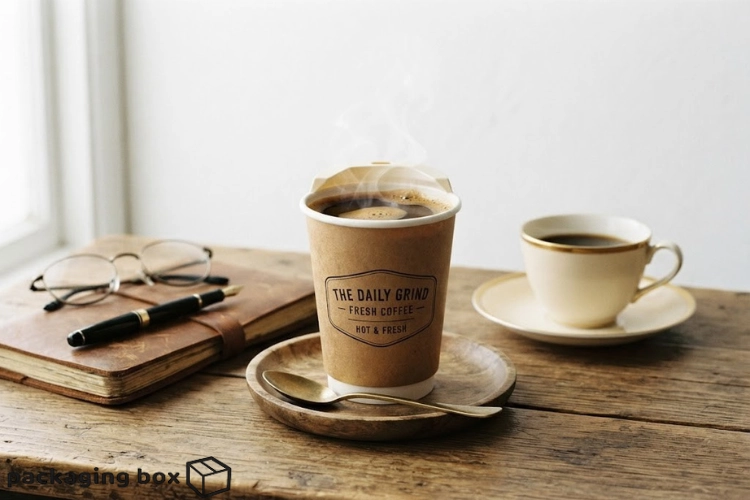
A complete coffee packaging setup is more than a stack of paper cups in the storage room. It is the full journey your coffee takes from the barista’s hands to the customer’s table, car or office desk. The cup, the lid, the carrier, the stir stick and the bag of beans all shape how people judge your drink before they taste it.
Many new cafe owners buy packaging in pieces. They pick cups from one place, sticks from another and carriers whenever a delivery order goes wrong. The result is mismatched colors, leaking lids and a brand that looks scattered. This guide shows you how to plan coffee shop packaging as one system. You will learn what to buy, how to choose the right materials and how to keep costs under control.
☕ Why a Complete Coffee Packaging Setup Matters
Coffee is a sensory product. Customers see your cup first, feel its warmth second and smell the aroma third. Packaging touches all three. A flimsy cup that burns fingers or a lid that drips on a white shirt can undo a perfectly pulled espresso shot.
Think about a small cafe near a busy office area. The owner makes excellent lattes, but the cups are thin single-wall paper with no sleeves. Customers hold them with two fingers and a grimace. After switching to insulated cups with matching lids, the same cafe sees fewer complaints. Customers also start posting photos of their drinks. The coffee did not change. The customer experience did.
A well-planned setup also protects your margins. When every item works together, you waste fewer cups, handle fewer refunds and avoid emergency orders at premium prices. It also builds coffee brand identity. A matching cup, carrier, napkin and bag tells customers you are a serious business.
🥤 Step 1: Choose the Right Coffee Cups
Cups are the heart of any coffee packaging supplies list. They carry your logo, hold the heat and set the tone for everything else. Getting this choice right makes every other decision easier.
Single Wall vs. Double Wall vs. Ripple Wall
Single wall cups are light and affordable. They suit cold-weather takeaway drinks that customers finish quickly, or drinks served with a sleeve. The downside is heat transfer. A freshly brewed americano can make a single wall cup uncomfortable to hold.
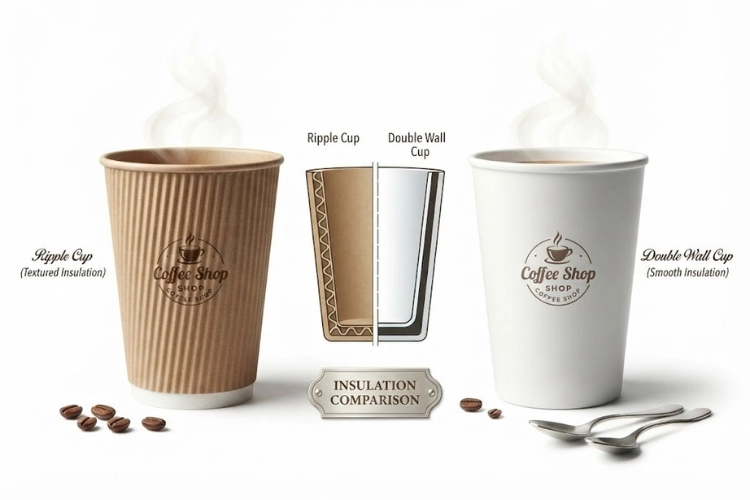
Double wall cups add a second layer of paper, which creates an air gap that slows heat transfer. Customers can hold the cup without a sleeve, and the drink stays warm longer. Ripple wall cups go one step further. Their textured outer layer traps more air and gives a better grip. They also look premium, which is why many specialty cafes choose them.
If you want a deeper comparison, read this breakdown of double wall vs. single wall coffee cups. For a closer look at insulation performance, see this ripple cup vs. double wall cup comparison.
For a ready-to-use option, the 12oz insulated ripple double wall paper coffee cup with lid works well for lattes and cappuccinos. The 8oz insulated ripple double wall cup suits espresso-based drinks and flat whites. If you prefer a warm brown finish, the 12oz double wall brown coffee cup with lid is another solid pick. You can browse the full range in the coffee cup category.
Getting the Size Right
Size affects both cost and customer satisfaction. Too many sizes slow down your counter and complicate stock. Too few leave customers with nothing that fits their habit. Most cafes do well with three sizes: a small cup for espresso drinks, a medium for everyday lattes and a large for loyal commuters. This guide on how to choose the right coffee cup size for your cafe walks you through the decision.
Materials and Safety
Most paper coffee cups with lids are lined with a thin coating that stops liquid from soaking through. PE-coated paper cups are the most common and perform reliably with hot drinks. PLA-lined cups use a plant-based lining, which appeals to cafes that want a greener image. Both must meet food safety standards, so always ask your supplier whether the cups are food-grade packaging and FDA-approved packaging.
Material can also change how a drink tastes. If a customer says their latte tastes “off,” the cup may be the cause. Here is why coffee can taste different in a disposable cup. If you are weighing paper against plastic, this comparison of paper coffee cups vs. plastic cups in Pakistan covers the trade-offs.
🔒 Step 2: Pick Lids That Do Not Leak
A cup is only as good as its lid. A leak-proof coffee lid protects your customer’s clothes and your reputation. Poorly fitted lids are one of the most common reasons for negative reviews in takeaway coffee.
Flat lids suit iced drinks with straws or short-trip hot drinks. Dome lids give extra room for whipped cream or foam. Sip lids let customers drink without removing the lid, which is ideal for commuters. Each type serves a different purpose, and the wrong choice creates avoidable mess. This guide to coffee cup lid types: flat vs. dome vs. sip lid helps you match lids to your menu.
A practical tip: always test a new cup and lid combination with a full hot drink before you order in bulk. Snap the lid on, tilt the cup and carry it around the shop for a few minutes. If it fails your test, it will fail on the street.
🧳 Step 3: Add Carriers for Group and Delivery Orders
Carriers turn single drinks into group orders. They are also essential for packaging for delivery and takeaway, where cups often tip over. Without carriers, a rider may carry two drinks at most. With them, a single trip delivers four.
A cup holder tray usually holds two to four cups. A 2-cup and 4-cup carrier pair covers most orders, from a couple’s morning run to an office meeting. Kraft carriers also look natural and fit well with eco-friendly branding.
For multi-drink orders, the kraft 4 cup drink carrier is a dependable choice. The standard coffee cup carrier handles smaller orders, and the disposable cup carrier with handle makes walking with several drinks more comfortable. You can compare all of them in the coffee cup carrier category.
Here is a real-world example. A cafe in a business district notices that office orders arrive in groups of five or six. Carriers hold four drinks, so the staff stock both 4-cup carriers and a few 2-cup ones for the remainder. Delivery spills drop, and office clients start ordering more often because the drinks arrive neat and intact.
👜 Step 4: Bags for Takeaway and Retail Beans
Bags do two jobs in a cafe. They carry takeaway food and drinks, and they hold coffee beans for retail sale. Each job needs a different bag.
Takeaway Coffee Bags
Handled bags make carrying drinks and pastries easy. A coffee transparent single handle bag suits one or two items, and the coffee transparent double handle bag holds more. These bags are a good fit when you sell brewed coffee alongside packaged goods. Browse more options in the coffee transparent handle bag category.
For food items, kraft paper bags add a warm, natural look. These kraft paper bags with custom print let you add your logo so every order works as free advertising.
Coffee Bean Bags and Pouches
If you sell beans, packaging becomes a matter of freshness preservation and aroma protection. Roasted coffee releases carbon dioxide after roasting. A one-way degassing valve lets that gas escape without letting oxygen in. Without it, bags can puff up or the coffee can go stale faster.
Valve coffee bags are the standard choice for roasters. A black stand-up pouch with valve gives a premium, matte look, while the white stand-up pouch with valve offers a clean, modern appearance. You can explore the black coffee bag category and white coffee bag category for more sizes.
A stand-up pouch also sits upright on shelves, which helps retail display. If you are new to this format, start with this complete beginner’s guide to stand-up pouches. For roasters who want a high-end look, here is why premium brands choose black stand-up pouches. When you are deciding on size, use this guide on choosing stand-up pouch size by product weight.
For ground coffee or beans that need strong protection, resealable coffee pouches with aluminum lamination block light and moisture best. This comparison of kraft pouch vs. aluminum pouch shelf life will help you choose.
🥄 Step 5: Do Not Forget Sticks, Straws and Small Extras
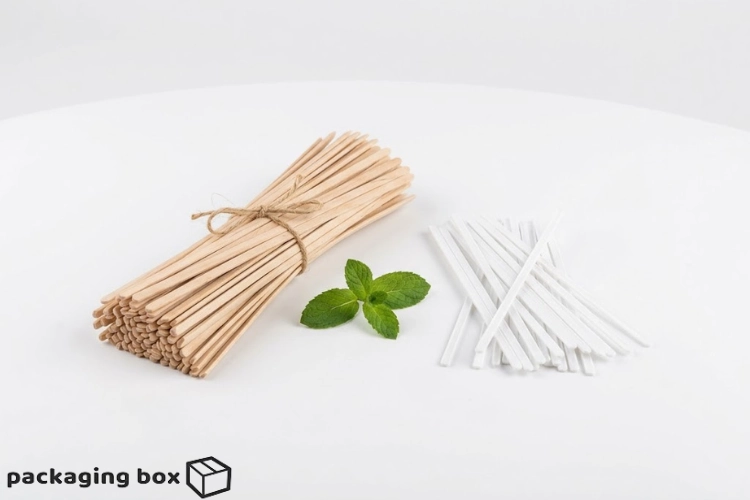
Small items are easy to overlook, but customers touch them every time. Coffee stir sticks and wooden coffee stirrers show attention to detail. A splintery or flimsy stirrer can leave a bad last impression on an otherwise good drink.
Natural wood is a popular choice because it looks warm and feels sturdy. These disposable wooden stir sticks for tea and coffee are an easy addition to any counter. For a more polished touch, the polished wooden tea spoon works well with specialty drinks and desserts. If you are building a plastic-free station, this eco cafe setup with wooden cutlery offers more ideas. For cold drinks, check the coffee straws category, including 6mm paper straws.
Branded napkins complete the set. Customize napkin tissues carry your logo into every customer’s hands, and the custom napkins category has more options.
🎨 Step 6: Brand Your Packaging with Custom Printing
Plain packaging does the job. Branded packaging builds a reputation. Custom coffee packaging turns every cup, bag and napkin into a small billboard, and it costs far less than most paid advertising.
Branded coffee cups work best when the design is simple. A clean logo, one or two brand colors and perhaps a short tagline are enough. Cluttered designs look cheap and print poorly. Whatever design you choose, keep it consistent across cups, sleeves, bags and napkins so customers recognize you at a glance. Good brand packaging design is about repetition, not complexity.
If you worry about cost, you may be surprised by how affordable it can be. This article explains why custom printed coffee cups are the cheapest way to brand your cafe. You can start with the 12oz customize coffee cup or the 8oz customize coffee cup, and explore the full customize coffee cup category.
For a wider view of how packaging builds identity, read about elevating brand presence with custom packaging solutions.
🌱 Step 7: Go Greener with Sustainable Choices
More customers now care about waste, and many choose cafes that reflect that concern. Eco-friendly coffee packaging is no longer a niche feature. It is a growing expectation.
Your options include biodegradable coffee cups, compostable packaging and recyclable coffee cups, along with bamboo coffee sticks and plastic-free packaging for bags and straws. A truly zero-waste cafe is difficult to achieve, but even small changes make a difference. Switching to paper straws and wooden stirrers is an easy first step.
One caution: always check that a “green” claim is honest. Terms like biodegradable and compostable have specific meanings, and some products only break down in industrial facilities. Ask your supplier for details so you do not mislead customers. This guide on eco-friendly coffee cups and sustainable choices explains what to look for. For wider ideas, see these sustainable packaging ideas and the custom packaging boxes eco-friendly guide.
💰 Step 8: Plan Your Budget, MOQ and Wholesale Orders
Smart buying keeps your cafe startup checklist realistic. Prices change by material, size and print, so think in terms of packaging cost per unit rather than the cost of a single box. A cup that costs slightly more but prevents leaks and complaints can save money overall.
Minimum order quantity (MOQ) matters most for custom printing. Printed cups and bags usually require larger runs than plain stock items. Start with plain stock for items you are still testing, and place custom orders once your menu and branding are settled. Buying through bulk packaging supplies channels lowers your unit cost, but only if you can use the stock before it ages or your design changes.
To plan better, read this bulk packaging orders minimum quantity and cost guide and this article on where to buy wholesale packaging in Pakistan. If you are choosing a wholesale packaging supplier, these tips for choosing the right packaging supplier will help you avoid costly mistakes. Small businesses with tight budgets can also learn from this piece on investing in packaging for small businesses.
📋 Your Coffee Shop Starter Packaging Kit at a Glance
Here is a quick reference for a coffee shop starter packaging kit. Use it as a starting point and adjust quantities to your expected daily sales.
| Item | Purpose | What to Look For |
|---|---|---|
| Paper cups (8oz / 12oz) | Hot beverage service | Double wall or ripple, food-grade lining |
| Lids | Spill protection | Leak-proof fit, matching size |
| Cup carriers (2 and 4 cup) | Group and delivery orders | Sturdy kraft, handle option |
| Stir sticks | Mixing and sweetening | Smooth, splinter-free wood |
| Handle bags | Takeaway food and drinks | Strong handles, clear or kraft finish |
| Valve pouches | Retail coffee beans | One-way valve, resealable, light barrier |
| Sleeves and napkins | Comfort and branding | Printed logo, consistent colors |
A starter kit works best when every piece matches in color and style. Even a simple, consistent look beats an expensive but disjointed one.
✅ Quick Checklist Before You Order
A short list helps you avoid common mistakes. Check these points before you place any order:
- Test cups and lids together with a hot drink.
- Confirm all items are food-safe and certified.
- Match cup sizes to your menu, not to guesswork.
- Order a sample before committing to bulk printing.
- Keep a small backup stock of carriers and lids.
🚀 Conclusion: Build Once, Build Smart
A complete coffee packaging setup protects your drinks, strengthens your brand and makes daily operations smoother. Start with the right cups and lids, add carriers and bags for takeaway and delivery, and finish with sticks, napkins and printed details. Keep the look consistent and choose materials that match both your menu and your values.
You do not need to buy everything at once. Begin with the essentials, watch how customers respond and expand as your cafe grows. Every cup that leaves your counter is a small promise about quality, so make sure the packaging keeps it.
📞 Ready to Build Your Setup?
Explore the full range of cups, carriers, bags and sticks at Packaging Box. Browse the shop, pick your items and place your first order today. For custom branding or bulk quotes, contact the team directly and get your cafe packaging ready.
❓ Frequently Asked Questions
What is included in a complete coffee packaging setup?
A complete coffee packaging setup includes paper cups, matching lids, cup sleeves, cup carriers, stir sticks, takeaway bags, napkins and valve pouches for coffee beans. Together, these items protect the drink and present your brand consistently.
Which coffee cup is best for hot beverages?
Double wall and ripple wall cups are best for hot beverages. Their air gap insulates the drink and keeps the outside comfortable to hold, without needing a sleeve.
Are paper coffee cups safe for hot drinks?
Yes, if they are food-grade and properly lined. PE-coated and PLA-lined cups are designed for hot liquids. Always confirm that your supplier follows food safety standards.
What is the best bag for packaging coffee beans?
A stand-up pouch with a one-way degassing valve is best for coffee beans. It lets gas escape, blocks oxygen and keeps the aroma fresh. Aluminum-laminated pouches add extra light and moisture protection.
Can I print my logo on coffee cups?
Yes. Custom printing lets you add your logo and brand colors to cups, bags and napkins. Printed orders usually have a minimum order quantity, so confirm the numbers with your supplier first.
How do I reduce packaging costs for my cafe?
Buy in bulk once your design is final, limit the number of cup sizes and choose durable items that reduce waste and complaints. Compare the packaging cost per unit rather than the price of a single pack.


💬 0 Comments
Leave a Comment