


Every year, the global fast-food industry generates millions of tons of packaging waste — plastic cups, styrofoam containers, single-use wrappers, and non-recyclable bags that end up in landfills, oceans, and streets. But something significant is shifting. A green revolution is quietly — and rapidly — changing the way the world’s biggest food chains package their products. Biodegradable packaging is no longer a niche concept reserved for eco-boutiques. It has become a mainstream movement that is fundamentally transforming fast-food packaging from a liability into a statement of values.
In this post, we’ll explore what’s driving this transformation, which materials are leading the charge, how global and local brands are adapting, and why switching to eco-friendly fast food packaging is not just good for the planet — it’s good for business.
🌍 The Problem With Conventional Fast-Food Packaging
To understand why this shift matters, we first need to acknowledge the scale of the problem.
The fast-food industry is one of the largest producers of single-use plastic waste on the planet. According to global environmental reports, food packaging accounts for nearly 40% of all plastic waste generated worldwide. Styrofoam containers take over 500 years to decompose. Plastic straws, sauce cups, and food wrappers pile up in ecosystems at an alarming rate.
Why Traditional Packaging Is a Problem
- Non-biodegradable materials like polystyrene and PVC release toxic chemicals as they break down
- Single-use plastics clog drainage systems, harm marine life, and contaminate soil
- Carbon footprint of plastic production contributes significantly to greenhouse gas emissions
- Consumer backlash is growing — people are actively choosing brands that align with their environmental values
- Government regulations across Europe, South Asia, and North America are banning or heavily taxing single-use plastics
The fast-food environmental impact is undeniable. And the industry knows it. That’s exactly why the pivot toward sustainable packaging for fast food is accelerating faster than ever before.
♻️ What Is Biodegradable Packaging — And How Does It Work?
Biodegradable packaging refers to materials that can be broken down naturally by microorganisms — bacteria, fungi, and other biological agents — into water, carbon dioxide, and organic matter. Unlike conventional plastics that persist for centuries, biodegradable alternatives decompose within months to a few years under the right conditions.
Key Types of Biodegradable Packaging Materials
1. Paper-Based Food Packaging One of the most widely adopted alternatives. Paper wraps, kraft paper bags, and cardboard containers are renewable, recyclable, and compostable. Products like kraft paper burger bags and kraft paper nugget bags are already being used by fast-food operators across Pakistan and globally.
2. Plant-Based Packaging Materials Made from sugarcane bagasse, cornstarch, bamboo, or cassava, these materials mimic the functionality of plastic without the environmental damage. They’re heat-resistant, moisture-proof, and fully compostable.
3. Compostable Food Packaging Certified compostable packaging breaks down in industrial composting facilities within 90–180 days. Think compostable 3-compartment biodegradable plates that replace traditional plastic trays entirely.
4. Bioplastics Derived from biological sources like vegetable fats, corn starch, or pea starch, bioplastics in the food industry are gaining traction as a drop-in replacement for conventional plastic films and containers.
5. Molded Fiber & Pulp Used for trays, egg cartons, and food containers, molded fiber is made from recycled paper pulp and is both biodegradable and compostable.
🚀 How the Global Fast-Food Industry Is Adapting
The transformation isn’t theoretical — it’s already happening at scale. Some of the world’s most recognizable fast-food brands have made bold commitments to green packaging in the fast-food industry.
Global Giants Leading the Change
- McDonald’s has committed to sourcing 100% of its packaging from renewable, recycled, or certified sources
- Burger King launched a reusable packaging pilot program in select markets
- KFC has been replacing plastic straws with paper alternatives and testing fiber-based buckets
- Subway switched to paper-based wrappers and eliminated plastic bags in multiple regions
- Starbucks invested heavily in biodegradable cups and compostable lids globally
What’s Driving This Shift?
| Driver | Details |
|---|---|
| 🏛️ Government Regulations | EU Single-Use Plastics Directive, Pakistan’s plastic bag bans |
| 👥 Consumer Demand | 73% of global consumers willing to pay more for sustainable packaging |
| 💰 Cost Efficiency | Long-term savings through waste reduction and bulk eco-material sourcing |
| 🌱 Brand Reputation | Eco-conscious branding drives customer loyalty and media attention |
| 📦 Packaging Innovation | New materials now match or exceed plastic in performance |
The global packaging industry transformation is being powered by all of these forces simultaneously — making it not just a trend, but a permanent structural shift.
📦 Eco-Friendly Packaging Solutions Reshaping Fast Food
Let’s get practical. Here’s a look at the specific biodegradable packaging solutions that are replacing conventional materials in fast-food operations right now.
🍔 Burger & Sandwich Packaging
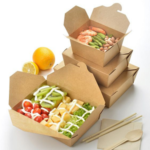
Traditional plastic-coated wrappers are being replaced by kraft paper wraps and paper-based sandwich boxes. These materials keep food warm, prevent grease leakage, and decompose naturally.
- Kraft single burger box — a sturdy, grease-resistant eco alternative
- Kraft sandwich box with window (brown) — perfect for grab-and-go presentations
- Kraft sandwich box with window (white) — clean, premium look with zero plastic
🍟 Fries & Snack Packaging
Plastic fry scoops and containers are giving way to paper-based alternatives that are just as functional.
- Kraft fries pocket — lightweight, oil-resistant, and fully biodegradable
- Kraft fries cones — trendy, eco-friendly presentation for street food and QSRs
- French fries cone with ketchup holder — a smart, plastic-free serving solution
🥗 Bowls & Salad Containers
The shift toward healthier fast food has also driven demand for sustainable restaurant packaging in the bowl and salad category.
- Round kraft bowl 500ml–1300ml — available in multiple sizes for soups, rice, and noodle bowls
- Kraft bowls with lids (200ml–1000ml) — ideal for delivery and takeaway
- Kraft salad box — a clean, compostable option for salad bars and healthy QSRs
☕ Cups & Beverage Packaging
Biodegradable cups and containers for beverages are among the fastest-growing segments in eco-friendly packaging.
- 12oz insulated ripple double-wall paper coffee cup with lid — keeps drinks hot without plastic lining
- 8oz insulated ripple double-wall paper coffee cup — perfect for espresso-based drinks
- Kraft 4-cup drink carrier — replaces plastic cup carriers entirely
- Coffee cup carrier — sturdy, recyclable, and brand-friendly
🍕 Pizza Packaging
Even pizza boxes are going greener. Kraft and recycled cardboard pizza boxes are replacing bleached white boxes with plastic coatings.
- Kraft pizza box — natural, unbleached, and fully recyclable
- Universal pizza box — fits all standard pizza sizes with eco-friendly construction
🥡 Food Trays & Serving Solutions
- Kraft tray — replaces plastic trays in fast-food setups
- Compostable 3-compartment biodegradable plates — ideal for combo meals
- Disposable wooden boat serving trays — a premium, natural alternative to plastic trays
🥄 Eco Cutlery
Single-use plastic alternatives in cutlery are one of the most visible changes in fast-food sustainability.
- Eco-friendly wooden fork — birchwood, biodegradable, and surprisingly strong
- Birchwood wooden spoon — perfect for soups, desserts, and rice dishes
- Birchwood knife — a clean, plastic-free cutting utensil
- 6mm paper straws — the most popular plastic straw replacement globally
🛍️ Carry Bags & Paper Bags
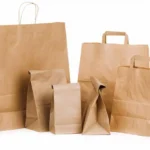
- Kraft paper bags with twisted rope handles — reusable, stylish, and biodegradable
- SOS paper bags (small to extra-large) — the standard for plastic-free fast-food takeaway bags
- Kraft multipurpose box with handle — doubles as a carry bag and food container
📊 The Business Case for Sustainable Fast-Food Packaging
Here’s the truth that many restaurant owners overlook: going green is also good economics. The business case for eco-friendly fast food packaging has never been stronger.
Financial & Brand Benefits
- Regulatory compliance — avoid fines and penalties from plastic bans
- Premium positioning — eco-conscious packaging justifies higher price points
- Customer retention — studies show eco-friendly brands retain 25–30% more loyal customers
- Reduced waste costs — lighter, stackable eco materials reduce storage and logistics costs
- Social media visibility — green packaging generates organic user-generated content and brand mentions
The Numbers Speak
| Metric | Conventional Packaging | Biodegradable Packaging |
|---|---|---|
| Decomposition Time | 500+ years (plastic) | 90 days – 2 years |
| Carbon Footprint | High (fossil fuel-based) | Low (plant/paper-based) |
| Consumer Preference | Declining | Growing (73% prefer eco) |
| Regulatory Risk | High (bans increasing) | Low (compliant by default) |
| Brand Perception | Neutral to negative | Strongly positive |
The packaging innovation in food industry is not slowing down. If anything, the pace is accelerating as material science improves and production costs drop.
🌱 Packaging Waste Reduction: The Bigger Picture
Switching to biodegradable materials is just one part of a larger packaging waste reduction strategy. Forward-thinking fast-food operators are also:
- Right-sizing packaging — using smaller containers that reduce material use without compromising presentation
- Eliminating unnecessary layers — removing plastic inner wraps, excess tissue, and redundant packaging
- Switching to recyclable fast-food packaging — ensuring all materials can enter the recycling stream
- Building a green supply chain — sourcing from suppliers who prioritize sustainable raw materials
- Educating customers — using packaging itself to communicate disposal instructions
The concept of zero waste fast food is still aspirational for most chains, but the direction is clear. Every kraft bowl, paper straw, and wooden fork is a step toward that goal.
🇵🇰 What This Means for Pakistani Fast-Food Businesses
Pakistan’s food industry is at an inflection point. With the government’s push to reduce plastic waste and growing consumer awareness, eco-friendly fast food packaging is becoming a competitive differentiator — not just an ethical choice.
Local restaurants, cloud kitchens, and QSRs that make the switch now will:
- Stay ahead of incoming regulations on single-use plastics
- Appeal to Pakistan’s growing urban, eco-conscious demographic
- Reduce long-term packaging costs as eco materials become more affordable at scale
- Build a brand story that resonates on social media and with food delivery platforms
Whether you run a burger joint, a pizza outlet, a chai dhaba, or a cloud kitchen — the shift to biodegradable food containers and plastic-free food packaging is both practical and profitable.
Explore the full range of kraft food packaging, eco cutlery, and eco-friendly products available right now to start your green packaging journey.
💡 Key Takeaways
Here’s a quick summary of everything we’ve covered:
- The fast-food industry is one of the world’s largest sources of packaging waste — and it’s changing fast
- Biodegradable packaging includes paper-based, plant-based, compostable, and bioplastic materials
- Global fast-food giants are already committed to 100% sustainable packaging goals
- Eco-friendly alternatives exist for every packaging need — from burger boxes to coffee cups to cutlery
- The business case is clear: compliance, cost savings, brand loyalty, and premium positioning
- Pakistani food businesses have a real opportunity to lead this shift locally
✅ Conclusion: The Future of Fast Food Is Green
The transformation is already underway. Biodegradable packaging is not a passing trend — it is the new standard for the global fast-food industry. As regulations tighten, consumers demand more accountability, and sustainable materials become more accessible, the question is no longer whether to make the switch — it’s how fast you can do it.
Every kraft paper bag, every wooden fork, every compostable plate is a small but meaningful step toward a food industry that feeds people without destroying the planet. And for businesses, it’s also a step toward stronger brands, loyal customers, and future-proof operations.
Start your eco-packaging journey today. Browse PackagingBox.pk’s complete range of eco-friendly and kraft food packaging and find the right sustainable solutions for your fast-food business.




💬 0 Comments
Leave a Comment