
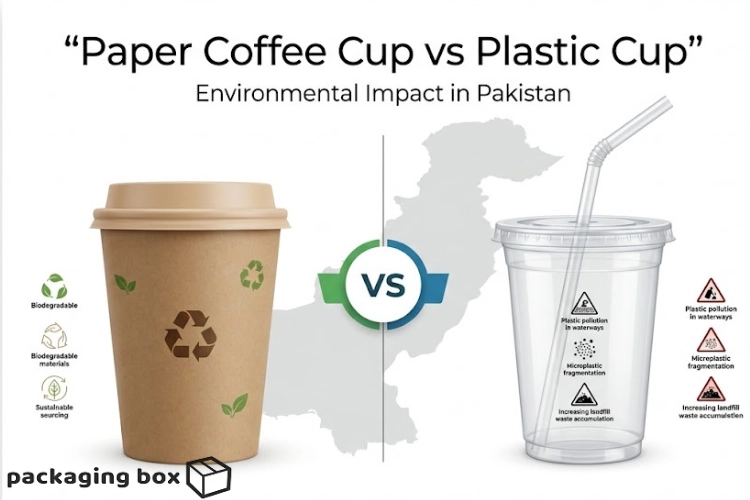

Choosing between a paper coffee cup vs plastic cup in Pakistan is no longer just a small packaging decision. For cafés, restaurants, takeaway brands, juice bars, bakeries, offices, and food delivery businesses, it has become a serious environmental and branding choice. As coffee culture and disposable drinkware usage grow in cities like Karachi, Lahore, Islamabad, Rawalpindi, and Faisalabad, the amount of single-use cups waste is also increasing rapidly.
At first glance, paper cups look more eco-friendly because they are made from paper and feel closer to nature. Plastic cups, on the other hand, are often connected with plastic pollution, landfill waste, littering problems, and microplastic pollution. But the real answer is not always that simple. The environmental impact of disposable cups depends on the raw material, manufacturing process, carbon footprint, recycling system, consumer behavior, and what happens after the cup is thrown away.
In Pakistan, this comparison becomes even more important because waste management issues, limited recycling facilities, poor waste segregation, and increasing urban solid waste make disposal more complicated. A cup may be recyclable in theory, but if it is thrown into mixed garbage, it usually ends up in a landfill or open dumping site.
This detailed guide explains the paper cup environmental impact Pakistan, plastic cup environmental impact Pakistan, and the practical reality of choosing eco-friendly cups in Pakistan. If you are a business owner looking for the best eco-friendly cup option Pakistan, this article will help you make a smarter and more responsible packaging decision.
🌿 Why Disposable Cups Matter in Pakistan’s Packaging Industry
Disposable cups are now a part of everyday life in Pakistan. Whether someone is buying takeaway coffee from a modern café, chai from an office canteen, juice from a street shop, or cold drinks from a fast-food outlet, single-use cups are everywhere. They offer convenience, hygiene, quick service, and easy takeaway handling.
However, this convenience creates a major environmental challenge. Every disposable cup used for only a few minutes becomes part of a much longer waste journey. If the cup is not recycled, composted, reused, or disposed of properly, it adds to Pakistan’s growing food packaging waste problem.
The packaging industry in Pakistan has changed a lot in recent years. Businesses now want packaging that is practical, attractive, affordable, and aligned with environmental sustainability. Customers also notice packaging more than before. Many people prefer brands that use sustainable packaging in Pakistan instead of unnecessary single-use plastic.
This is why the discussion around paper cups vs plastic cups matters. It is not just about which cup looks better. It is about which material creates less harm, which one suits the product, and which option supports a cleaner packaging future.
For cafés and beverage businesses, Packaging Box offers practical options in the coffee cup category, where businesses can explore suitable cups for takeaway coffee, tea, and other hot beverages.
☕ What Are Paper Coffee Cups?
Paper coffee cups are commonly used for hot beverages such as coffee, tea, hot chocolate, cappuccino, latte, and karak chai. These cups are popular because they look professional, are easy to hold, and can be customized with branding. For many cafés, paper coffee cups Pakistan are not only packaging items but also a part of brand identity.
Most paper coffee cups are made from paperboard, but they usually include an inner coating to prevent leakage. This coating is often a thin plastic layer such as polyethylene. Without this lining, hot liquid would quickly soften the paper and make the cup unusable.
This is where the environmental issue begins. A paper cup may look simple, but if it has a plastic lining, recycling becomes difficult. Specialized recycling facilities are needed to separate paper fiber from the plastic coating. In Pakistan, such recycling facilities are limited, which means many used paper cups end up in general waste.
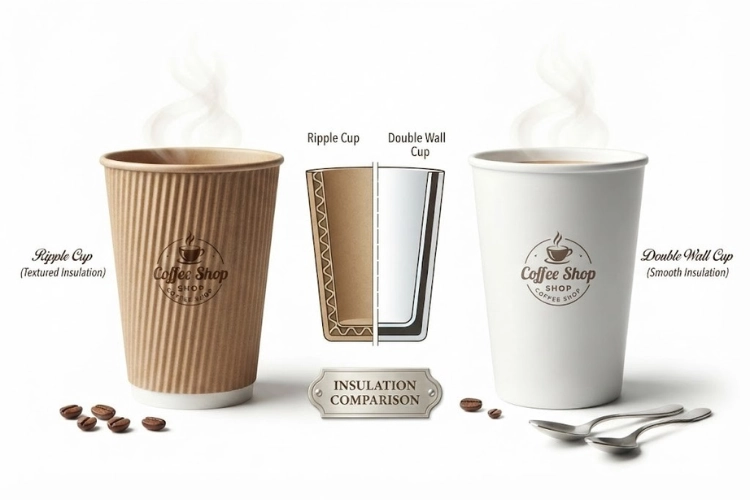
Still, paper coffee cups can be a practical and relatively better option for hot drinks when used properly. Double-wall cups and ripple cups provide better insulation, which means customers can hold hot drinks comfortably without needing an extra sleeve.
For example, cafés serving hot beverages can consider options like 12oz insulated ripple double wall paper coffee cup with lid or 8oz insulated ripple double wall paper coffee cup with lid. These cups are useful for businesses that want heat protection, takeaway convenience, and a better customer experience.
🥤 What Are Plastic Cups?
Plastic cups are usually used for cold beverages such as juices, iced coffee, smoothies, milkshakes, cold drinks, slushes, and desserts. They are lightweight, strong, transparent, and often cost-effective for high-volume businesses.
One major reason plastic cups are popular is product visibility. When a customer can see a colorful juice, layered iced coffee, fruit shake, or dessert inside a clear cup, it improves presentation and can increase product appeal. This is why many juice bars, dessert shops, food courts, and event caterers prefer plastic disposable cups Pakistan.
But plastic cups have a serious environmental downside. If not collected and recycled, they can remain in the environment for a very long time. They may break into small particles over time and contribute to microplastic pollution. Plastic waste can also block drains, pollute streets, and increase landfill pressure.
In Pakistan, plastic pollution is already a visible problem in many urban areas. Lightweight plastic cups are easily carried by wind and rainwater, which can lead to littering in streets, parks, rivers, and coastal areas. In cities like Karachi, plastic waste can also contribute to drainage problems during heavy rain.
Plastic cups can be recyclable depending on the material, but recycling of plastic cups in Pakistan depends on cleanliness, collection, and separation. If plastic cups are mixed with food waste, cream, syrup, or general garbage, they are less likely to be recycled.
For cold drinks, businesses often use options like 12oz cold drink cups, 16oz cold drink cups, and 20oz cold drink cups, especially where drink presentation and moisture resistance matter.
⚖️ Paper Cups vs Plastic Cups Comparison
The paper cups vs plastic cups comparison is not as simple as saying paper is always good and plastic is always bad. Both materials have advantages and disadvantages. Paper cups require trees, water, energy, coating, printing, and transportation. Plastic cups require fossil-based raw materials and create long-term pollution concerns if not recycled.
The right choice depends on the beverage type, serving style, cost, disposal system, customer expectations, and recycling availability. In Pakistan, these factors are especially important because waste segregation is still limited in many areas.
| Factor | Paper Coffee Cups | Plastic Cups |
|---|---|---|
| Best Use | Hot beverages like tea and coffee | Cold drinks, juices, iced coffee |
| Customer Perception | More premium and eco-conscious | Clear, practical, convenient |
| Recycling Challenge | Difficult if plastic-lined | Possible if clean and separated |
| Main Environmental Concern | Paper waste, water usage, coating issue | Plastic pollution, microplastics |
| Heat Resistance | Better for hot drinks | Not ideal for hot beverages |
| Branding | Excellent for custom printing | Limited branding options |
| Disposal Reality in Pakistan | Often mixed with general waste | Often littered or landfilled |
| Best Business Fit | Cafés, tea shops, takeaway coffee | Juice bars, dessert shops, events |
In practical terms, paper cups are usually better for hot beverages and brand presentation, while plastic cups are more practical for cold drinks where visibility is important. But from an environmental point of view, both need responsible use and proper disposal.
🌍 Paper Cup Environmental Impact in Pakistan
The paper cup environmental impact Pakistan starts from production. Paper cups require raw materials, energy consumption, water usage in manufacturing, printing, coating, packaging, and transportation. If the paper is not responsibly sourced, it can contribute to deforestation concerns and resource consumption.
Another major issue is the inner plastic lining. Many people assume paper cups are fully recyclable or biodegradable, but most disposable coffee cups are not pure paper. The coating that prevents leakage makes recycling more difficult. If a cup is contaminated with leftover coffee, milk, sugar, or food waste, its recycling value becomes even lower.
In Pakistan, most used paper coffee cups are not collected separately. They usually go into the same bin as food waste, napkins, plastic wrappers, and other garbage. Once this happens, recycling becomes almost impossible. As a result, many paper cups end up in landfill waste or open dumping areas.
Still, paper cups can be a better option than plastic cups in certain situations, especially for hot beverages. They reduce direct plastic use and offer better customer comfort. If businesses choose high-quality cups, avoid overuse, and encourage proper disposal, paper cups can support more sustainable packaging in Pakistan.
For example, a café in Islamabad serving 200 cups of coffee daily can reduce waste by choosing the right cup size, using double-wall paper cups only for hot drinks, and placing a separate bin for used cups. This may not solve the entire waste problem, but it is a step toward better environmental responsibility.
Businesses can also combine paper cups with eco-conscious accessories such as disposable wooden tea and coffee stir sticks instead of plastic stirrers.
🧴 Plastic Cup Environmental Impact in Pakistan
The plastic cup environmental impact Pakistan is more visible in daily life. Plastic cups often appear on roadsides, parks, beaches, food streets, drainage channels, and garbage piles. Because they are lightweight, they spread easily and create littering problems.
Plastic cups are designed for short-term use, but their waste impact can last for a very long time. If they are not recycled, they can remain in the environment for decades. Over time, they may break into smaller pieces and contribute to microplastic pollution, which affects soil, water, animals, and potentially human health.
Plastic cups also create problems when burned openly. Burning plastic waste can release harmful gases and increase air pollution. In some areas of Pakistan, open waste burning is still common, which makes plastic disposal even more concerning.
However, plastic cups do have functional benefits. They are strong, waterproof, transparent, and useful for cold beverages. Their carbon footprint during manufacturing may sometimes be lower than paper, depending on material and production method. But the long-term waste issue remains a serious concern.
A juice shop in Karachi may prefer plastic cups because customers want to see fresh juice before buying. But if hundreds of cups are used daily and thrown into mixed garbage, the environmental effects of disposable cups become significant. A better approach is to use plastic only where necessary, reduce unnecessary lids and straws, and encourage recycling where possible.
🔥 Carbon Footprint of Paper Cups and Plastic Cups
The carbon footprint of paper cups includes raw material collection, pulping, processing, coating, printing, transportation, and disposal. Paper production can require large amounts of water and energy. If paper cups are not recycled, their environmental advantage becomes weaker.
The carbon footprint of plastic cups includes fossil fuel extraction, plastic resin production, molding, packaging, transportation, and end-of-life disposal. Plastic cups are lightweight, which can reduce transportation emissions, but their long-term pollution impact is much higher when they are not recycled.
This means the answer depends on the complete life cycle. A paper cup used once and thrown into landfill is not automatically sustainable. A plastic cup that is properly collected and recycled may perform better in some categories. But in Pakistan’s current waste system, both materials need careful use.
The most practical strategy is to reduce unnecessary disposable cup use, choose the right material for the right drink, and improve disposal behavior.
🧪 Are Paper Cups Better Than Plastic Cups?
Many business owners ask: Are paper cups better than plastic cups? The answer depends on what you are serving.
For hot beverages, paper cups are generally better. They are safer for heat, easier to hold, better for branding, and more suitable for takeaway coffee or tea. They also create a more premium image for cafés and restaurants.
For cold beverages, plastic cups may be more practical. Clear plastic cups allow customers to see the drink, which is important for juices, iced coffee, shakes, and desserts. However, plastic should be used carefully because of its long-term environmental impact.
If branding is a priority, paper coffee cups are usually the better choice. Custom printed cups can turn every takeaway order into mobile advertising for your café. You can also read this helpful guide on custom printed coffee cups as a cost-effective café branding tool.
If you are confused about cup sizes, this guide on how to choose the right coffee cup size for your café can help you select better sizes and reduce waste.
✅ Paper Cups Advantages and Disadvantages
Paper cups offer several benefits for food and beverage businesses, especially cafés and takeaway coffee brands. They look clean, modern, and professional. Customers often see them as a more eco-friendly choice compared to plastic cups.
Paper cups are especially useful for hot beverages because they provide better comfort and heat safety. Double-wall and ripple paper cups also reduce the need for an extra sleeve, which can lower material usage.
Main advantages of paper cups include:
- Better for hot drinks like coffee, tea, and hot chocolate
- Strong branding potential through custom printing
- Premium and eco-conscious appearance
- Available in single-wall, double-wall, and ripple styles
- Suitable for cafés, offices, restaurants, and takeaway counters
However, paper cups also have disadvantages. Many paper cups contain plastic lining, which makes recycling difficult. Their production also requires water, energy, and paper resources. If used carelessly, they still become part of the disposable cups environmental impact problem.
In simple words, paper cups are a better choice for hot drinks, but they are not waste-free. Their benefit increases when businesses use the correct size, avoid over-ordering, and guide customers toward responsible disposal.
✅ Plastic Cups Advantages and Disadvantages
Plastic cups are popular because they are affordable, durable, lightweight, and visually attractive for cold beverages. For businesses selling fresh juice, iced coffee, desserts, or colorful drinks, clear plastic cups help improve product presentation.
Main advantages of plastic cups include:
- Clear visibility for cold drinks and desserts
- Lightweight and easy to transport
- Strong moisture resistance
- Cost-effective for high-volume businesses
- Useful for events, juice bars, and dessert shops
But plastic cups also come with serious disadvantages. They are a major contributor to plastic pollution in Pakistan when not recycled properly. They can create microplastic pollution, block drains, and remain in the environment for a long time.
Plastic cups should not be used as a default option for every drink. Businesses should use them only where they provide a clear functional benefit, such as cold beverage visibility or moisture resistance.
🏙️ Pakistan’s Waste Management Reality
Waste management issues in Pakistan are one of the biggest reasons disposable cups become an environmental problem. In many areas, waste is not separated into paper, plastic, organic waste, and recyclables. Everything goes into one bin, which makes recycling difficult and sometimes impossible.
Urban waste management in cities like Karachi, Lahore, Islamabad, Rawalpindi, and Multan faces challenges such as open dumping, landfill pressure, weak collection systems, and informal recycling. Even when a product is recyclable, it may not reach a recycling facility.
The Pakistan Environmental Protection Agency and provincial environmental departments have highlighted concerns around plastic pollution, solid waste, and climate change. But real improvement also depends on businesses and consumers changing daily habits.
Cafés and restaurants can help by placing separate bins for paper waste and plastic waste. Even simple signs like “Dispose Paper Cups Here” or “Plastic Cups Only” can improve waste segregation and customer awareness.
♻️ Recycling of Paper Cups in Pakistan
Recycling of paper cups in Pakistan is limited because most coffee cups are not made from paper alone. The plastic lining inside the cup needs to be separated from the paper fiber, and this requires specialized processing.
Another issue is contamination. Used coffee cups often contain leftover coffee, milk, sugar, cream, or tea stains. Once mixed with food waste, their recycling value decreases. If these cups are thrown into general waste, they are unlikely to be recycled.
To improve recycling chances, businesses can encourage customers to empty leftover liquid before disposal. Cafés can also keep a separate collection bin for used paper cups. Staff training is equally important because back-end waste handling affects whether packaging waste can be recovered.
Still, recycling should not be the only solution. Businesses should also focus on reduction. Using the right cup size, avoiding unnecessary lids, and preventing overuse can reduce paper waste in Pakistan.
♻️ Recycling of Plastic Cups in Pakistan
Recycling of plastic cups in Pakistan depends on the type of plastic, cleanliness, and collection process. Some plastic cups are recyclable, but they must be clean and separated from food waste.
In many cases, used plastic cups are contaminated with juice, cream, syrup, ice cream, or food residue. This makes them less attractive for recyclers. If they are thrown into mixed garbage, they often end up in landfill waste.
Businesses that use plastic cups should create a practical recycling plan. For example, a juice bar can place a separate plastic cup bin near the exit. A university café can coordinate with cleaning staff for plastic waste collection. A food court can use clear signs to guide customers.
Recycling is useful, but it cannot solve the entire problem of single-use cups pollution. Businesses also need to reduce unnecessary plastic and use sustainable alternatives where possible.
🌱 Eco-Friendly Cups in Pakistan: What Options Exist?
The demand for eco-friendly cups in Pakistan is increasing as more customers become aware of environmental sustainability. Many cafés and restaurants now want packaging that looks good and reduces environmental harm.
Eco-friendly options may include paper coffee cups, compostable cups, biodegradable cups, kraft packaging, reusable cups, and packaging made from renewable materials. However, businesses should be careful with green claims. A product labeled compostable only performs well if it reaches proper composting conditions.
In Pakistan, composting and industrial waste treatment systems are still limited. This means businesses should choose eco-friendly packaging based on practical use, not just marketing labels.
Packaging Box offers eco-focused options through categories like eco products and eco cutlery. These can help cafés and restaurants reduce unnecessary plastic from their overall packaging setup.
For businesses planning a greener café setup, this guide on wooden fork, knife, and spoon options for eco cafés can also be useful.
🧾 Best Eco-Friendly Cup Option Pakistan for Cafés and Restaurants
The best eco-friendly cup option Pakistan depends on the type of drink and business model. A coffee shop, juice bar, bakery café, cloud kitchen, and event catering service all have different packaging needs.
For hot beverages, paper coffee cups are usually the most practical choice. They provide better heat handling, customer comfort, and branding opportunities. Double-wall and ripple cups are especially suitable for premium coffee and tea service.
For cold beverages, clear cups may still be needed because product visibility matters. But businesses should choose quality materials, avoid unnecessary lids, and reduce plastic accessories wherever possible.
| Business Type | Recommended Cup Option | Reason |
|---|---|---|
| Coffee Shop | Paper coffee cups | Better for heat and branding |
| Tea Café | Ripple or double-wall paper cups | Comfortable grip and insulation |
| Juice Bar | Clear plastic cups with recycling plan | Shows drink freshness and color |
| Dessert Shop | Paper or plastic dessert cups | Depends on product type |
| Office Cafeteria | Paper cups with separate bin | Hygienic and easier to manage |
| Event Catering | Mixed solution | Depends on hot and cold drinks |
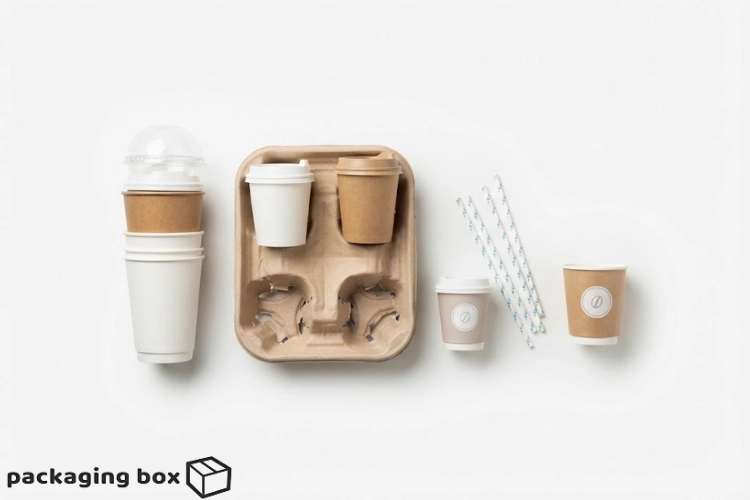
For cafés that want customized branding, customize coffee cup options can help improve brand recall. For takeaway orders, kraft 4 cup drink carriers and coffee cup carriers are useful for safe delivery and better customer experience.
🛍️ Practical Examples for Pakistani Businesses
A small café in Islamabad serving 150 cups of coffee daily can use branded paper coffee cups with lids. This gives customers a professional takeaway experience and helps the café build brand identity. If the café also places a cup disposal bin near the counter, it can encourage better waste behavior.
A juice shop in Karachi may need transparent plastic cups because customers want to see the drink. But the shop can reduce plastic waste by using the correct cup size, avoiding straws unless requested, and keeping a separate bin for used plastic cups.
A bakery café in Lahore may use paper coffee cups along with kraft paper bags, cake boxes, and kraft food packaging to create a consistent eco-friendly image. Options like kraft paper bags and kraft food packaging can help reduce reliance on plastic bags.
A cloud kitchen delivering hot beverages should choose strong paper cups with secure lids and drink carriers. This reduces leakage, improves delivery experience, and protects customer satisfaction. Packaging is not only about sustainability; it also affects reviews, repeat orders, and brand trust.
🧠 Consumer Behavior and Environmental Responsibility
Consumer behavior plays a major role in disposable cups environmental impact. Even a better packaging material can become harmful if it is thrown on the road, mixed with food waste, or burned.
Pakistani consumers, especially younger buyers in urban areas, are becoming more aware of plastic pollution, climate change, and sustainable packaging. Many customers prefer brands that show responsibility through better packaging choices.
Businesses can guide customer behavior through simple communication. A small printed message on the cup, a bin label, or a social media post can remind customers to dispose of packaging responsibly. For example, a café can print “Please dispose responsibly” on its cups or place signs near the counter.
This also builds trust. Customers appreciate businesses that are honest and practical about sustainability. Instead of making exaggerated claims like “100% eco-friendly,” brands should explain what they are actually doing, such as using paper cups for hot drinks and reducing unnecessary plastic.
📦 Sustainable Packaging in Pakistan Beyond Cups
Cups are only one part of the packaging system. A truly responsible business should also review lids, straws, stirrers, napkins, trays, bowls, bags, boxes, and delivery packaging.
For example, a café may use paper cups but still provide plastic stirrers, plastic bags, and unnecessary plastic straws. This reduces the impact of switching to paper cups. A better approach is to create a complete sustainable packaging plan.
This may include paper cups for hot beverages, kraft carriers for takeaway orders, wooden stirrers instead of plastic stirrers, paper straws where possible, and kraft bowls or boxes for food items.
For more ideas, you can read Packaging Box’s guide on eco-friendly coffee cups and sustainable choices and biodegradable fast food packaging solutions.
Restaurants and cloud kitchens can also benefit from this guide on best food packaging in Pakistan for restaurants and cloud kitchens.
🚫 Common Mistakes Businesses Make When Choosing Cups
Many businesses choose disposable cups only based on price. While cost is important, the cheapest cup may create leakage, poor insulation, weak lids, and customer complaints. A cup that saves a small amount of money but damages customer experience can hurt the brand.
Another common mistake is using plastic cups for hot drinks. Unless the cup is specifically heat-safe, this can create safety and quality concerns. Hot beverages should generally be served in paper cups designed for heat.
Some businesses also use oversized cups unnecessarily. If most customers order small tea or coffee, using large cups wastes material and increases cost. Choosing the correct cup size is one of the simplest ways to reduce waste and expenses.
Another mistake is using the word “eco-friendly” without understanding disposal conditions. A biodegradable cup still needs the right environment to break down properly. Honest and practical sustainability is better than unrealistic marketing.
🧩 How to Reduce Disposable Cups Environmental Impact
Reducing the environmental effects of disposable cups does not require a perfect system from day one. Businesses can start with simple changes and improve over time.
Useful steps include:
- Use paper cups for hot beverages
- Use plastic cups only where visibility is necessary
- Choose the right cup size for each serving
- Avoid unnecessary lids, sleeves, and straws
- Use wooden stirrers instead of plastic stirrers
- Place separate bins for paper and plastic waste
- Train staff to reduce packaging waste
- Educate customers about responsible disposal
These steps are practical, affordable, and effective. They can reduce waste, improve customer perception, and support better environmental sustainability.
🏆 Paper Coffee Cup vs Plastic Cup: Final Verdict for Pakistan
When comparing paper coffee cup vs plastic cup in Pakistan, paper cups are generally the better choice for hot beverages, café branding, customer comfort, and reducing direct plastic use. They are practical for coffee, tea, and takeaway hot drinks.
Plastic cups are still useful for cold beverages, especially where drink visibility matters. However, they create serious environmental problems if they are not collected, reused, or recycled properly. Plastic pollution in Pakistan is already a major concern, so businesses should reduce unnecessary plastic wherever possible.
The best solution is not choosing one material for everything. The smarter approach is to use paper coffee cups for hot drinks, plastic cups only where needed for cold drinks, and eco-friendly alternatives whenever practical.
A balanced packaging strategy helps businesses protect product quality, reduce environmental impact, and build a responsible brand image.
✅ Conclusion: Choose Smarter, Not Just Greener
The debate around paper cups vs plastic cups is really about responsible packaging. Paper cups are not perfect, and plastic cups are not always useless. The real question is which cup suits the product, reduces unnecessary waste, supports hygiene, and creates less environmental harm in Pakistan’s current waste system.
For hot drinks, paper coffee cups are usually the smarter and more sustainable option. For cold drinks, plastic cups may still be practical, but they should be used carefully with a recycling or waste reduction plan.
As café culture, takeaway food, and delivery businesses grow in Pakistan, packaging choices will matter even more. Businesses that choose better packaging today can improve customer trust, reduce waste, and support a cleaner environment.
If you run a café, restaurant, juice bar, bakery, cloud kitchen, or takeaway business, now is the right time to review your packaging. Choose cups that protect your product, satisfy your customers, and reduce unnecessary environmental damage.
Call to Action
Looking for reliable and practical packaging for your food or beverage business? Explore Packaging Box’s range of coffee cups, customize coffee cups, coffee cup carriers, and eco cutlery to create a cleaner, smarter, and more professional packaging setup in Pakistan.
FAQs
Are paper cups better than plastic cups in Pakistan?
Paper cups are generally better for hot beverages and café branding. They are easier to hold, more suitable for coffee and tea, and often seen as more eco-friendly. However, their environmental benefit depends on proper disposal and recycling.
What is the environmental impact of paper cups in Pakistan?
The paper cup environmental impact Pakistan includes paper waste, water usage, energy consumption, plastic lining issues, and recycling challenges. If paper cups are mixed with general waste, they usually end up in landfills.
What is the environmental impact of plastic cups in Pakistan?
The plastic cup environmental impact Pakistan includes plastic pollution, microplastic pollution, landfill waste, littering problems, and long decomposition time. Plastic cups can be recycled only if they are clean and properly collected.
Can paper coffee cups be recycled in Pakistan?
Recycling of paper cups in Pakistan is limited because many paper coffee cups have a plastic lining. Specialized recycling facilities are needed to separate the lining from paper fiber.
Can plastic cups be recycled in Pakistan?
Yes, some plastic cups can be recycled in Pakistan, depending on the material and cleanliness. However, if they are contaminated with food or drinks and mixed with general waste, they are unlikely to be recycled.
What is the best eco-friendly cup option Pakistan for cafés?
For cafés serving hot drinks, paper coffee cups, especially ripple or double-wall cups, are usually the best eco-friendly cup option Pakistan because they provide heat protection, comfort, and branding value.
Are biodegradable cups available in Pakistan?
Yes, biodegradable cups in Pakistan and compostable cups Pakistan are becoming more available. However, businesses should check material quality, supplier claims, and disposal requirements before buying.
How can cafés reduce coffee cup waste in Pakistan?
Cafés can reduce coffee cup waste Pakistan by choosing the right cup size, avoiding unnecessary lids and straws, using wooden stirrers, placing separate waste bins, and educating customers about responsible disposal.



💬 0 Comments
Leave a Comment