

Every online seller has had the moment when a customer sends a photo of a crushed box or a broken product. The product was fine and the listing was perfect, but the packaging failed. That is why a packaging materials checklist for online stores matters before you ship a single parcel. It tells you what to buy, how much to stock and which materials suit which products, so you stop guessing and start shipping with confidence.
This guide covers every essential material, how to match packaging to your product, how to control costs, and how to turn a plain parcel into a brand moment. If you are still learning the basics, our complete first-time buyer’s guide to e-commerce packaging in Pakistan is a good companion read.
🎯 Why Packaging Deserves a Place in Your Business Plan
New sellers often treat packaging as an afterthought. They spend weeks on product photos and ads, then grab whatever box is available on shipping day. The result is higher damage rates, more returns, angry reviews and wasted money on replacements.
Good packaging does three jobs at once. It protects the product through rough handling, sorting hubs and long courier routes. It controls your shipping costs, because a box that is too large or too heavy is expensive to send. And it shapes how customers see your brand when they open the parcel.
A single checklist helps you manage all three. Instead of reordering in panic, you build a repeatable system your whole team can follow. If you are weighing how much to spend, the thinking in investing in packaging for small businesses shows why packaging pays for itself.
🧰 The Complete Packaging Materials Checklist for Online Stores
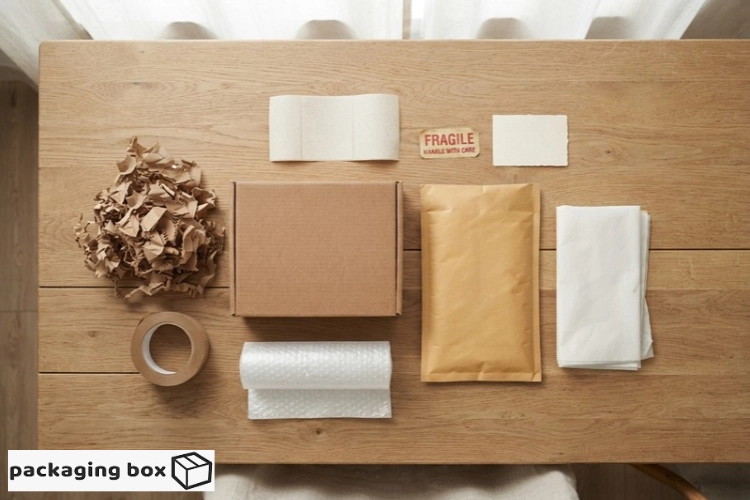
Think of your packaging in layers. The outer layer is the shipping container. The middle layer is protection. The inner layer is presentation. The sealing and labeling materials hold it all together. Below is each item and why it earns a place on your list.
📦 1. Corrugated Shipping Boxes
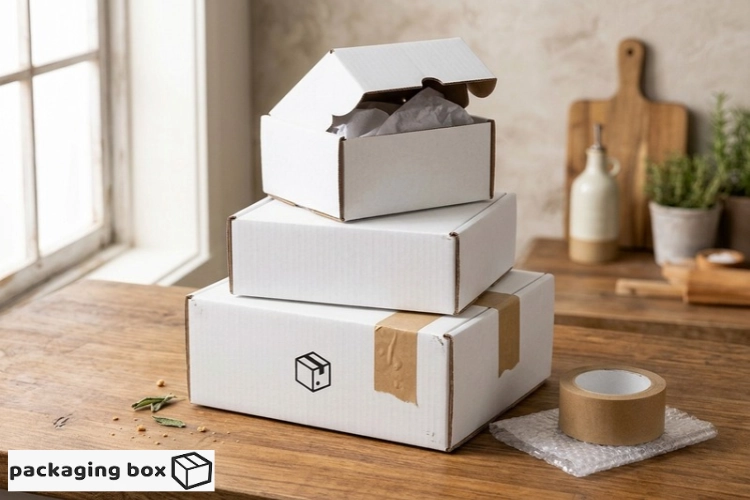
Corrugated boxes are the backbone of ecommerce packaging. The fluted layer between two flat sheets absorbs impact and resists crushing, which is why most couriers recommend them. For the difference between corrugated and ordinary cardboard, see our comparison of corrugated box vs regular box for online shipping.
Wall strength matters. A 3-ply box suits light items like t-shirts or accessories, while a 5-ply or 7-ply box is better for heavier or more fragile goods. For tougher orders, a 7-ply DHL-style shipping box gives extra protection, and a standard ecommerce box works well for everyday orders. You can browse the full ecommerce boxes category to compare sizes. Our corrugated box for ecommerce guide explains why this material is usually the safest choice.
🛍️ 2. Poly Mailers and Padded Envelopes
Not everything needs a box. Poly mailers are lightweight, waterproof and cheap to ship, so they suit clothing, scarves, soft textiles and other items that cannot break. Padded envelopes add a cushioned lining for small, slightly delicate items like jewelry, cables or documents.
The difference between a mailer and a box comes down to protection versus cost. Mailers save on weight and storage space, but they offer little crush protection. Use them only for products that can survive being squashed.
🫧 3. Bubble Wrap and Protective Cushioning
Bubble wrap is the classic cushioning material because it is light, flexible and absorbs shock well. Wrap fragile items such as glass, ceramics, cosmetics bottles and electronics fully, with at least two layers around corners and edges. A reliable bubble wrap roll is one of the most useful items you can keep in stock.
🧩 4. Void Fill: Packing Peanuts, Kraft Paper and Crinkle Paper
Empty space inside a box lets the product slide and hit the walls. Void fill removes that movement. Packing peanuts, crumpled kraft paper and paper crinkle fill are the usual options. Paper fill is the more sustainable choice and gives a neat, premium look when you open the box. Our kraft paper wraps can double as wrapping and filler.
🎀 5. Tissue Paper and Inner Wrapping
Tissue paper does not protect much, but it makes a big difference to presentation. It keeps clothes neat, prevents scuffs on shiny surfaces and gives the unboxing a polished feel. For food-safe or greasy-product wrapping, butter paper is a practical alternative, and cling film helps keep multiple items bundled and clean.
🔒 6. Packing Tape and Tamper-Evident Seals
Tape seems simple, but poor tape is a common cause of boxes bursting open in transit. Choose strong, wide tape and use the H-taping method: one strip along the center seam and one along each edge. Tamper-evident tape or seals also give buyers confidence that nobody opened the parcel on the way. Stock a dependable packaging tape and consider packing rope for heavy or bundled parcels. You can also see more basics in our packaging materials category.
🏷️ 7. Shipping Labels and a Thermal Label Printer
Clear labels prevent misdeliveries. A thermal label printer is worth the investment once you ship more than a handful of orders a day, because it prints sharp, smudge-free labels without ink. Add “Fragile” and “This Side Up” stickers where needed, and always keep the label flat on the largest surface of the box.
🧾 8. Packing Slips, Inserts and Return Packaging
A packing slip confirms what is inside and helps customers check their order. Inserts such as thank-you cards, care instructions or discount codes encourage repeat purchases. If you accept returns, include a simple return label or instructions, and consider return-friendly packaging like boxes with a second adhesive strip.
📊 Quick-Reference Table: What Each Material Does
| Material | Main Purpose | Best For |
|---|---|---|
| Corrugated boxes | Structural protection | Most products, especially fragile or heavy |
| Poly mailers | Lightweight, waterproof shipping | Clothing, textiles, soft goods |
| Padded envelopes | Light cushioning | Jewelry, small accessories, documents |
| Bubble wrap | Shock absorption | Glass, electronics, cosmetics |
| Kraft paper / void fill | Prevents movement | Any product in an oversized box |
| Tissue paper | Presentation and surface protection | Apparel, gifts, premium products |
| Packing tape / seals | Closure and security | Every parcel |
| Labels and stickers | Delivery clarity and handling | Every parcel |
🧭 How to Choose the Right Packaging for Ecommerce Products
The right packaging depends on what you sell. Start with three questions: How fragile is it? How heavy is it? How much does the brand experience matter to my customer?
Clothing and apparel usually ship well in poly mailers or small boxes with tissue paper. Folding neatly and using a branded sticker or insert is enough to feel premium.
Cosmetics and skincare need cushioning and leak protection. Wrap bottles in bubble wrap, seal lids with tape and use a snug box so products do not shift. If your brand is in beauty, our guide to affordable cosmetic packaging design in Pakistan offers more ideas.
Electronics demand the strongest protection. Use a sturdy corrugated box, anti-static or foam-style protection where relevant, and enough void fill to stop any rattle.
Shoes need rigid outer boxes and an inner layer to prevent crushing. See our tips on packaging shoes for shipping in Pakistan safely and securely.
Jewelry and gifts benefit from presentation-focused packaging, such as a jewellery box inside a protective shipping carton.
🥇 Practical Example
Imagine you sell handmade candles. Glass jars are fragile and heavy for their size. A sensible setup is to wrap each candle in bubble wrap, place it in a snug corrugated box with kraft paper filling any gaps, seal it with H-taped packing tape and add a “Fragile” sticker. Finish with a thank-you card and care instructions. The cost per parcel is only slightly higher than a careless pack, but the damage rate drops sharply.
📏 Right-Sizing: How to Choose the Right Box Size to Save on Shipping
Many couriers charge by dimensional weight, which means they price a parcel by the space it takes up and not just by how heavy it is. A large box with a small product inside can cost far more to ship than a snug one.
The fix is simple: choose boxes that leave only enough room for cushioning. Measure your product, add roughly 2 to 5 cm on each side for protection, and pick the nearest box size. Our corrugated box sizes in Pakistan guide lists common dimensions so you can standardize on two or three sizes instead of holding twenty.
Using fewer box sizes also makes inventory management easier, lowers your storage footprint and speeds up the fulfillment process, because staff do not waste time hunting for the right carton.
🛡️ How to Reduce Shipping Damage
Most damage comes from a few repeating mistakes. Here are the fixes that work best:
- Use a box strong enough for the product weight, or reinforce it if needed (see how to strengthen corrugated boxes for heavy items).
- Leave no empty space, because movement causes most breakage.
- Wrap each item separately when shipping more than one.
- Seal every seam with the H-taping method.
- Do the “shake test”: if you hear or feel anything move, add more filler.
For fragile goods, follow the “two-inch rule”: keep roughly two inches of cushioning between the product and every wall of the box. It is a simple habit that dramatically improves how well products survive a rough journey.
💰 How to Lower Packaging Costs for an Online Business
Smart packaging is not always cheaper per unit, but it is cheaper per successful delivery. Here are the main ways to cut costs without hurting quality.
Buy in bulk. Ordering larger quantities reduces the unit price significantly. Read our bulk packaging orders and minimum quantity cost guide before placing a big order, and see where to buy wholesale packaging in Pakistan for sourcing tips.
Standardize sizes. Fewer box types mean bigger orders per type and better prices.
Right-size every parcel. Smaller packages cost less to ship and need less filler.
Choose the right supplier. A reliable supplier prevents stock-outs and quality surprises. Our checklist on how to choose the right packaging supplier can help, and if you are worried about ordering online, read is it safe to order packaging online in Pakistan.
🌱 Eco-Friendly Packaging for Online Stores
Customers increasingly notice excess plastic and wasteful packaging. Sustainable materials are good for the planet and can strengthen your brand, especially with younger buyers.
Practical choices include recyclable corrugated boxes, paper-based void fill, kraft paper wrapping, paper tape and biodegradable mailers. You do not need to switch everything at once. Start by replacing packing peanuts with crumpled paper and plastic filler with kraft alternatives, then expand from there.
For deeper reading, explore our guides to eco-friendly custom packaging boxes and custom packaging boxes in Pakistan: an eco-friendly guide. Just remember that sustainable packaging must still protect the product, because a damaged item wastes more resources than any material you save.
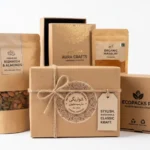
🎁 Branded Packaging and the Unboxing Experience
Is branded packaging worth it for a small business? In most cases, yes, as long as you do it in stages. Your box is the only physical touchpoint between your brand and the customer, so it works like a quiet advertisement. A clean logo, a consistent color and a thoughtful insert make people remember you and share the moment on social media.
You do not need a huge budget. Begin with a branded sticker, a stamp or a printed thank-you card. When your order volume grows, move to custom packaging boxes with full printing. Our article on elevating brand presence with custom packaging solutions explains how branding choices influence customer perception, and you can compare finishes in white vs brown corrugated box branding.
✨ Simple Unboxing Upgrades
- A tissue-wrapped product with a branded sticker
- A short, handwritten-style thank-you note
- A care or usage card for the product
- A small discount code for the next order
🧪 Which Packaging Fits Which Product? A Practical Table
| Product Type | Recommended Outer Packaging | Inner Protection |
|---|---|---|
| T-shirts, hoodies | Poly mailer or small corrugated box | Tissue paper, folded neatly |
| Cosmetics, serums | Snug corrugated box | Bubble wrap, kraft filler |
| Electronics, gadgets | 5-ply or 7-ply corrugated box | Bubble wrap, void fill |
| Shoes | Rigid corrugated box | Inner wrap, paper stuffing |
| Glass, candles, ceramics | Double-walled corrugated box | Bubble wrap, two-inch cushioning |
| Jewelry | Padded envelope or small box | Gift box, tissue paper |
🚀 Packaging Checklist for Beginners: A Step-by-Step Setup
If you are just starting, follow this order and you will avoid most early mistakes.
First, list your products and note their size, weight and fragility. Second, choose two or three standard box sizes that cover most orders. Third, buy a small starter stock of boxes, bubble wrap, tape and filler before scaling up. Fourth, test your setup by packing a few sample parcels, shaking them and, if possible, dropping them from waist height to see how they survive. Fifth, set up a simple packing station with all materials within reach, so each order is packed in the same way every time. Finally, track damage and return reasons for the first month and adjust your materials accordingly.
This test-and-improve loop is what separates stores with 1 percent damage rates from those who lose money on replacements. If you want to refine your workflow further, our post on 5 ways to improve your packaging process offers more ideas.
❓ Frequently Asked Questions
What packaging materials do I need to start an online store?
At a minimum you need corrugated boxes or poly mailers, bubble wrap or paper filler, packing tape, shipping labels and a few fragile stickers. Add packing slips and a thank-you insert for a better customer experience.
What supplies are needed to ship products?
Shipping supplies include outer packaging (boxes or mailers), cushioning, void fill, strong tape, labels and, if possible, a thermal label printer to save time as orders grow.
How do I choose the right packaging for ecommerce products?
Match the packaging to the product’s fragility, weight and value. Use mailers for soft goods, corrugated boxes for fragile or heavy items and extra cushioning for anything that can break.
What is the best packaging for fragile items?
A double-walled or high-ply corrugated box with bubble wrap around the item and paper or air-pillow fill around it is the safest combination. Add a “Fragile” sticker.
What is the difference between poly mailers and boxes?
Poly mailers are light, flexible and cheaper to ship but offer almost no crush protection. Boxes are rigid and protect fragile goods, though they cost more to store and ship.
Is branded packaging worth it for small businesses?
Usually yes. Even simple branding such as stickers and inserts improves recall, encourages repeat orders and makes parcels more shareable on social media.
✅ Conclusion
A reliable packaging materials checklist for online stores is one of the simplest ways to improve your business. It reduces damage, trims shipping costs, supports your brand and makes every order easier to pack. Start with the essentials (boxes, cushioning, tape and labels), match materials to your product, right-size your parcels and add branding as you grow.
Packaging is not an expense to avoid. It is part of the product your customer receives, and the stores that treat it that way are the ones that earn good reviews and loyal buyers.
📣 Ready to Upgrade Your Packaging?
Stop guessing and start shipping safely. Explore our range of ecommerce boxes, bubble wrap and packaging tape at PackagingBox.pk, or contact our team for bulk and custom orders tailored to your online store.




💬 0 Comments
Leave a Comment