
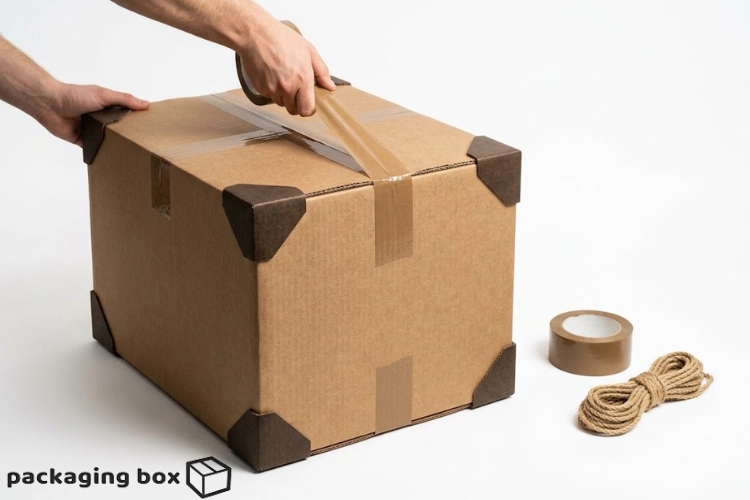

If you’ve ever watched a box collapse mid-lift or arrive at its destination crushed and torn, you already know the frustration of using the wrong packaging for heavy loads. Learning how to strengthen a corrugated box for heavy items isn’t just a nice-to-know skill — it’s the difference between a happy customer and a damaged product review. Whether you’re shipping machinery parts, books, kitchen appliances, or moving house, a properly reinforced box can carry significantly more weight without buckling, tearing, or bursting at the seams.
In this guide, we’ll walk through exactly how corrugated boxes are built, why some fail under weight, and the practical, tested techniques you can use today to reinforce cardboard box for heavy items — using nothing more exotic than tape, liners, and a bit of smart engineering.
📦 Why Corrugated Boxes Fail Under Heavy Loads
Before jumping into fixes, it helps to understand why boxes give way in the first place. Most collapses happen because of three overlooked factors: flute strength, compression limits, and poor weight distribution.
Understanding Corrugated Cardboard Structure
Corrugated cardboard isn’t just thick paper — it’s engineered from three layers: an outer liner, an inner liner, and a wavy fluted layer sandwiched between them. This fluted layer is what gives corrugated fiberboard its strength, acting almost like tiny structural arches that resist crushing.
- Single wall boxes have one fluted layer — fine for light to medium items
- Double wall corrugated boxes have two fluted layers — ideal for moderately heavy items
- Triple wall cardboard boxes have three fluted layers — built for industrial-grade, very heavy loads
The thicker and denser the flute, the higher the box compression strength — meaning it can withstand more downward pressure without folding.
Box Weight Capacity & Testing Standards
Manufacturers rate corrugated fiberboard using two key industry tests:
| Test | What It Measures | Why It Matters |
|---|---|---|
| Edge Crush Test (ECT) | How much force the box edges can withstand before crushing | Determines stacking strength |
| Burst Strength Test | How much pressure the board can take before puncturing | Determines resistance to sharp or heavy contents |
Higher ECT and burst strength numbers mean a box is built for heavy-duty packing materials and rougher handling — something worth checking before you order boxes for shipping or moving.
🛠️ How to Strengthen a Corrugated Box for Heavy Items: Step-by-Step
Now for the practical part. Here’s exactly how to make a cardboard box stronger, using methods trusted by professional movers and shipping companies alike.
1. Start With the Right Box Grade
The single biggest factor in strength isn’t a hack — it’s the box itself. If you’re regularly shipping heavy items, skip single-wall boxes entirely. Look for boxes explicitly rated for heavy-duty use, such as a 7-ply heavy-duty shipping box, which is built with multiple corrugated layers specifically to handle demanding logistics conditions.
For general shipping and e-commerce needs, a well-rated standard e-commerce box from our e-commerce packaging collection can also handle moderate to heavy loads when reinforced properly.
2. Reinforce Every Seam With Quality Tape
This is the easiest and most effective way to reinforce a box for heavy objects. Regular masking tape won’t cut it — you need pressure-sensitive packaging tape with strong adhesive.
- Apply the H-taping method: tape along all seams in an “H” shape (bottom seam, plus both side flaps)
- Use at least 2 inches of overlap when sealing corners
- Add a second layer of tape crossing the first for extra-heavy loads
- Never rely on the box’s built-in fold-lock flaps alone for heavy items
3. Use the Cross-Bracing Technique
The cross-bracing technique involves inserting strips of extra cardboard diagonally across the inside of the box, corner to corner. This creates internal tension points that stop the box from bowing outward under weight — much like the bracing you’d see inside a wooden crate.
This method is especially useful for oddly shaped heavy items that don’t fill the box evenly.
4. Add Corner Reinforcement
Corners are the weakest points in any corrugated box. Corner reinforcement can be done with:
- L-shaped cardboard corner guards (inserted vertically at each corner)
- Extra tape wrapped specifically around corner edges
- Foam corner protectors for fragile-but-heavy items (like electronics)
5. Double Up the Box (Box-in-Box Method)
One of the most reliable ways to double up cardboard boxes is to place your packed box inside a slightly larger second box, with a layer of padding in between. This method distributes weight across two structural layers instead of one, dramatically increasing durability for very heavy or fragile-heavy combinations.
6. Add a Box Liner for Structural Support
A box liner — a rigid cardboard insert lining the interior walls — adds a hidden layer of compression resistance. This is particularly useful when using thinner single-wall boxes that need an upgrade without switching to a completely new box type.
7. Use Foam Padding or Bubble Wrap Strategically
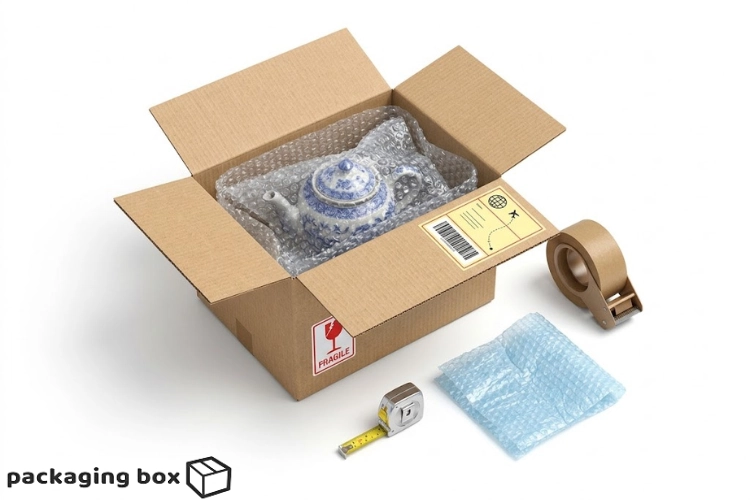
While padding is often thought of as protection for fragile items, it also plays a structural role. Bubble wrap and foam padding for boxes fill empty space, preventing items from shifting and putting uneven pressure on box walls during transit.
- Line the bottom and sides with foam sheets for heavy, rigid items
- Use bubble wrap for anything with sharp edges or uneven surfaces
- Fill all gaps completely — shifting weight is a leading cause of box failure
8. Secure the Load With Rope or Strapping
For extremely heavy shipments — think furniture parts or bulk moving boxes — external packing rope wrapped around the box adds another layer of security, especially during stacking or transport by vehicle.
📦 Best Way to Pack Heavy Items in a Box
Reinforcing the box is half the equation — how you actually load it matters just as much. Here’s the best way to pack heavy items in a box without straining the structure:
- Distribute weight evenly across the base of the box — never let heavy items sit on one side
- Heaviest items go at the bottom, lighter ones layered on top
- Fill all empty space with padding to prevent shifting during transit
- Never exceed the box’s rated weight capacity — check ECT/burst ratings if shipping commercially
- Test the box before sealing by gently lifting from the bottom to check for sagging
- Use double-wall or triple-wall boxes for anything over 15–20 kg
🏭 Heavy-Duty Corrugated Packaging Tips for Businesses
If you’re shipping heavy items regularly — for e-commerce, moving services, or wholesale distribution — a few habits go a long way toward reducing damage claims and returns.
- Standardize your box grades based on product weight categories
- Train staff on proper H-taping and cross-bracing methods
- Order in bulk to keep reinforced, heavy-duty boxes always in stock — check our bulk packaging order guide for cost-saving tips
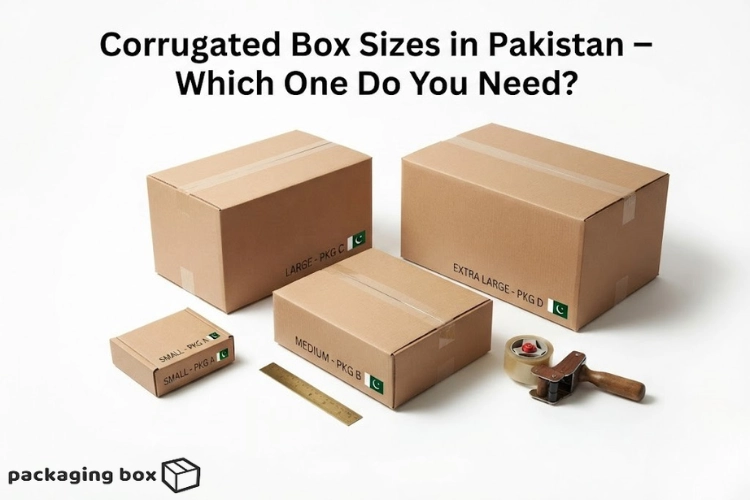
- Compare box sizes carefully using our corrugated box sizes guide to avoid using oversized boxes that weaken under their own excess space
- Choose the right supplier — durability starts with sourcing; see our tips on choosing the right packaging supplier
If you’re deciding between box types for your shipping needs, our comparison on corrugated box vs regular box for online shipping breaks down exactly which option suits heavier product categories.
⚠️ Common Mistakes to Avoid When Packing Heavy Items
Even well-intentioned packers make these errors — avoid them to keep your shipments intact:
- Using a box that’s too large, leaving room for items to shift
- Relying only on the box’s factory flaps without additional taping
- Skipping padding because “the item feels sturdy enough”
- Reusing old, previously damaged boxes for heavy shipments
- Ignoring weather exposure — moisture weakens corrugated fiberboard fast
- Stacking heavy boxes on top of lighter, fragile ones during transit
🚚 Moving House? Don’t Overlook Box Strength
If you’re using corrugated boxes for a home move rather than shipping, the same principles apply — but with even more weight variety (books, kitchenware, appliances). Browse our dedicated home shifting boxes and packaging materials collection, or consider a kraft multipurpose box with handle for easier, more controlled heavy-item transport.
✅ Conclusion: Build a Box That Won’t Let You Down
Strengthening a corrugated box isn’t about one magic trick — it’s a combination of choosing the right box grade, reinforcing seams and corners, bracing the interior, and packing smart. Whether you’re a business shipping products daily or someone packing for a big move, these techniques ensure your heavy items arrive intact, every single time.
The good news? You don’t need specialized equipment — just the right box, quality tape, and a little know-how you now have in your back pocket.
Ready to upgrade your packaging? Explore our full range of heavy-duty corrugated boxes and packing materials at packagingbox.pk/shop and get boxes built to handle whatever you’re shipping.
❓ Frequently Asked Questions
Q1: How much weight can a cardboard box hold? A standard single-wall corrugated box typically holds 20–30 kg, while double-wall boxes can hold 40–60 kg, and triple-wall boxes can exceed 100 kg depending on the ECT rating and how well the box is reinforced.
Q2: How do you reinforce a box for shipping heavy items? Reinforce a box by using H-taping on all seams, adding corner guards, applying the cross-bracing technique inside, and using a box liner or double-boxing method for extra-heavy contents.
Q3: What makes a corrugated box stronger? Box strength comes from the number of fluted layers (single, double, or triple wall), the quality of the tape used, proper weight distribution, and reinforced corners and seams.
Q4: Can I use regular tape to strengthen a box? No — regular masking or decorative tape lacks the adhesive strength needed. Always use industrial packaging tape designed for shipping and heavy loads.
Q5: How do I prevent a box from collapsing under weight? Choose a box with a higher ECT/burst rating, distribute weight evenly, avoid overfilling beyond the box’s design, and use cross-bracing or a box liner for added support.
Q6: Is it better to double up cardboard boxes for heavy items? Yes, using the box-in-box method with padding between layers significantly increases compression strength and protects against both weight stress and impact damage.







💬 0 Comments
Leave a Comment