
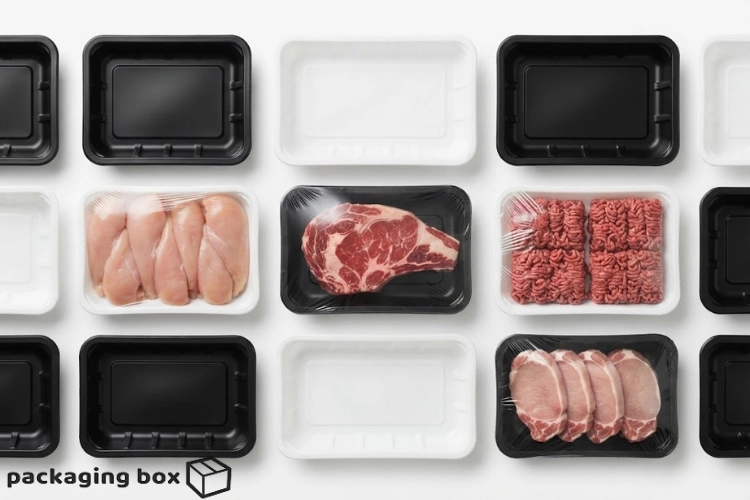

Pakistan’s meat industry moves fast — from bustling butcher shops in Lahore to supermarket chains in Karachi and export units shipping frozen poultry overseas. Behind every clean, presentable cut of meat sits a small but mighty hero: the tray it’s packed in. Plastic meat trays for food businesses in Pakistan have become the backbone of hygienic meat handling, giving shopkeepers, restaurants, and exporters a reliable way to store, display, and transport meat without compromising freshness or food safety. If you run a food business and haven’t thought much about your tray choice, this is the article that changes that.
Below, we’ll walk through seven practical, real-world uses of these trays — the kind of insights that help you pick smarter packaging and run a tighter, more professional operation.
🥩 Why Plastic Meat Trays Matter for Pakistan’s Food Industry
Pakistan’s food packaging industry has grown rapidly over the past decade, driven by rising consumer awareness around hygiene and a booming retail meat sector. Unlike loose paper wrapping or open display counters, plastic trays create a controlled, sealed surface that keeps meat away from contaminants, moisture, and cross-contact with other products.
For butchers, poultry sellers, and supermarket meat counters, this isn’t just about looking professional — it’s about meeting basic food safety expectations that customers now demand. A tray that holds shape, resists leaks, and keeps meat visually appealing does more selling than any signboard ever could.
That’s exactly why plastic meat trays for food businesses in Pakistan are no longer optional add-ons. They’re operational essentials, much like knives or scales, in any serious meat business.
🔍 7 Practical Uses of Plastic Meat Trays for Food Businesses
Let’s break down exactly where and how these trays earn their place in day-to-day operations.
1. 🛒 Retail Meat Display in Supermarkets
Walk into any modern supermarket and you’ll notice meat counters lined with neatly packed cuts sitting on meat display trays. This is one of the most visible uses of plastic trays — they hold the product in a way that looks clean, portioned, and ready to grab.
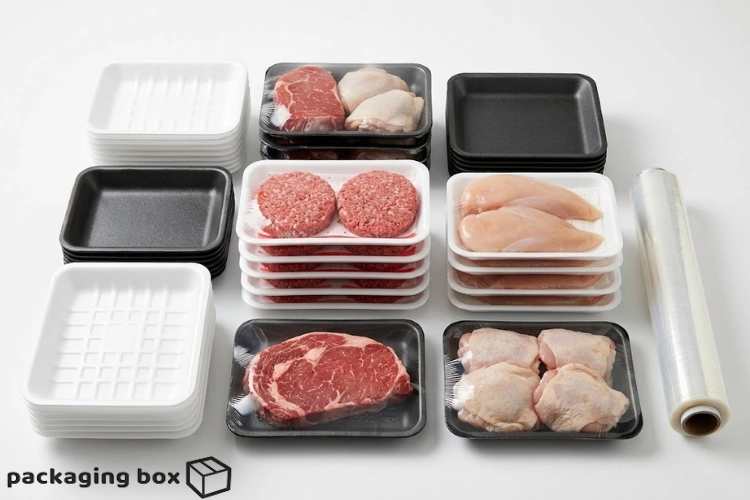
Supermarkets typically prefer either black meat trays or white meat trays, depending on how they want the meat’s color to pop against the background. If you’re unsure which shade works better for your brand, our guide on black vs white meat trays for business breaks down the psychology and practicality behind each choice.
In practice, this means a butcher displaying chicken breast on a white tray creates strong visual contrast, while red meat often looks richer against black. Either way, the tray does the heavy lifting for presentation.
2. 🔪 Butcher Shop Packaging & Everyday Operations
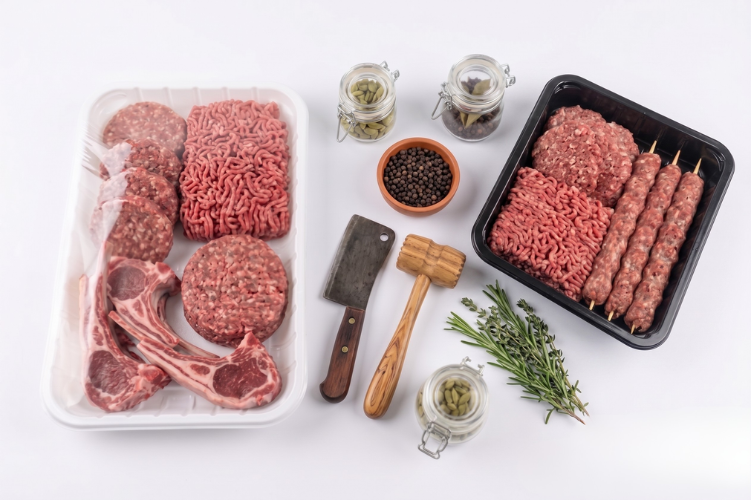
Traditional butcher shops across Pakistan have shifted from loose paper wrapping to plastic trays for meat shops — and for good reason. Trays make it easier to weigh, wrap, and hand over meat quickly during busy hours, especially on weekends when foot traffic peaks.
A butcher can pre-portion cuts onto trays during slow hours, then simply wrap and label them as customers arrive — cutting wait times significantly. This is one of the core reasons trays have become butcher shop supplies staples rather than optional extras.
For shop owners looking to upgrade their setup, our detailed breakdown of best meat tray packaging for butcher shops in Pakistan covers sizing, material choices, and cost considerations specific to local butcher operations.
3. ❄️ Cold Storage & Frozen Meat Preservation
Meat businesses dealing with frozen inventory rely heavily on trays designed to survive cold storage packaging conditions without cracking or losing shape. Plastic trays handle freezer temperatures far better than many alternative materials, making them ideal for businesses storing bulk poultry, mutton, or beef for extended periods.
Restaurants and cloud kitchens especially benefit here — frozen stock stays organized, stackable, and easy to inventory when everything sits on uniform trays. If frozen storage is a big part of your operation, it’s worth reading our guide on best food packaging for restaurants and cloud kitchens in Pakistan for a broader packaging strategy.
4. 🐔 Poultry Packaging for Wholesale and Retail
Poultry sellers face a unique challenge: chicken releases more moisture than red meat, which means poultry packaging trays need slightly deeper wells and stronger structural integrity. Plastic trays handle this moisture without going soggy or collapsing — something paper-based alternatives simply can’t match.
A poultry vendor supplying local restaurants, for instance, can pack cut chicken pieces onto trays, wrap them tightly, and stack multiple trays in a delivery crate without leakage or spillage. This single use case alone justifies why so many poultry businesses across Karachi and Lahore have standardized on plastic tray packaging.
5. 📦 Wholesale and Bulk Meat Distribution
Beyond single retail counters, plastic trays play a major role in wholesale packaging suppliers’ operations. Distributors moving large volumes of meat between cold stores, restaurants, and retail outlets need packaging that survives handling, stacking, and transport — all without compromising the product inside.
Businesses ordering in bulk quantities typically get better per-unit pricing too, which matters when you’re packaging hundreds of kilograms daily. Our detailed piece on bulk meat tray packaging in Pakistan walks through pricing tiers, minimum order quantities, and supplier selection tips for businesses scaling up.
6. 🕋 Qurbani & Eid Meat Packaging
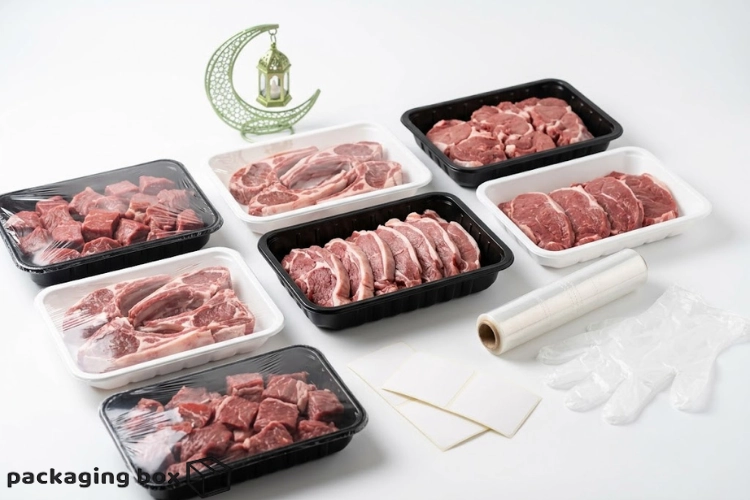
Every year around Eid-ul-Adha, meat packaging demand spikes dramatically as households and butchers process Qurbani meat for distribution. Plastic trays make this seasonal rush manageable — allowing quick portioning of meat cuts for family, neighbors, and charity without messy handling.
This is genuinely one of the most practical uses of plastic meat trays in Pakistan’s cultural calendar. A single household processing a Qurbani animal can portion dozens of packs efficiently using stacked trays, rather than struggling with loose bags. For a complete seasonal breakdown, check our Qurbani meat packaging guide with best meat trays for Eid.
7. 🌍 Meat Export Packaging Standards
Pakistan’s meat export sector — supplying halal meat to Gulf and international markets — depends on packaging that meets strict international meat export packaging standards. Trays used here need to be food-grade, leak-proof, and compatible with vacuum-sealing or shrink-wrap processes used before shipping.
Exporters can’t afford packaging failures; a single compromised batch can mean rejected shipments and financial loss. That’s why export-focused meat processors typically invest in food-grade plastic trays that meet both local and destination-country food safety regulations — a topic we cover in depth in our article on food-grade BPA-free meat trays and the future of meat packaging.
📊 Plastic Meat Trays vs. Styrofoam Trays: A Quick Comparison
Many businesses still weigh plastic against foam-based alternatives. Here’s how they compare on the factors that matter most for meat packaging.
| Factor | Plastic Meat Trays | Styrofoam Meat Trays |
|---|---|---|
| Durability under weight | High — resists cracking | Moderate — can crack or dent |
| Cold storage performance | Excellent, freezer-safe | Good, but brittle at extreme cold |
| Hygiene & cleanability | Easy to wipe/reuse in some formats | Single-use only |
| Cost per unit (bulk) | Slightly higher, better long-term value | Lower upfront cost |
| Environmental profile | Recyclable options available | Difficult to recycle |
For most Pakistani food businesses handling daily volume, plastic trays offer a better balance of durability and hygiene — especially once you factor in fewer product losses from cracked or leaking packaging.
🧪 Food Safety & Hygiene Standards for Meat Trays in Pakistan
Food safety regulators increasingly expect hygienic meat storage practices from retailers, and packaging plays a direct role in meeting those expectations. Plastic trays that are food-grade certified help businesses avoid contamination risks that come from reused paper, cardboard, or improperly cleaned surfaces.
This matters even more for businesses supplying restaurants or supermarkets, where meat processing packaging must meet buyer-side quality checks before contracts are signed. A butcher shop that can demonstrate consistent, sealed, food-grade packaging is simply easier to do business with — it builds trust before a single word is exchanged about pricing or freshness.
If you’re building out a broader packaging strategy for your food business, our comprehensive guide on top 10 food packaging products in Pakistan is a useful next read, alongside our general food packaging in Pakistan overview.
🛍️ How to Choose the Right Meat Tray Supplier in Pakistan
Not all suppliers deliver the same quality, and choosing poorly can cost you in product losses and customer complaints. Here’s what to actually look for:
- Consistent thickness and structural strength — thin trays flex and leak under weight
- Food-grade certification — non-negotiable for anything touching raw meat
- Reliable bulk availability — your supplier shouldn’t run out during peak demand
- Reasonable pricing at scale — compare per-unit cost at your actual order volume
Working with established meat tray suppliers in Pakistan who understand seasonal demand (like Eid rushes) and can scale supply accordingly saves you from last-minute sourcing headaches. If sizing is your main concern before ordering, our meat tray size guide for supermarkets and butcher shops walks through exactly which dimensions suit different cut types and volumes.
For businesses exploring their full range of options, browsing our meat tray product category directly is often the fastest way to compare formats side by side.
✅ Conclusion
Plastic meat trays might seem like a small detail in the grand scheme of running a food business, but as we’ve walked through here, they touch nearly every part of the meat supply chain — from the moment meat is portioned to the moment it reaches a customer’s plate or gets loaded onto an export container. Whether you’re running a corner butcher shop, supplying a supermarket chain, or exporting halal meat internationally, the right tray choice directly impacts your hygiene standards, operational speed, and customer trust.
The businesses that treat packaging as a strategic decision — not an afterthought — consistently see fewer product losses, cleaner presentation, and stronger customer confidence. That’s the real payoff here.
Ready to upgrade your meat packaging? Explore our full range of food-grade plastic meat trays and disposable food packaging built specifically for Pakistan’s food businesses — from single butcher shops to large-scale exporters.
❓ Frequently Asked Questions
Q1: Why should food businesses in Pakistan use plastic meat trays instead of paper wrapping? Plastic trays offer better leak protection, structural support, and hygiene compared to paper, which absorbs moisture and can tear under the weight of meat cuts.
Q2: What is the best plastic tray color for displaying meat — black or white? It depends on the meat type. White trays create strong contrast for poultry, while black trays often enhance the rich color of red meat. Our black vs white comparison guide covers this in detail.
Q3: Are plastic meat trays safe for frozen storage? Yes, food-grade plastic trays are designed to withstand freezer temperatures without cracking, making them suitable for long-term cold storage of poultry, beef, and mutton.
Q4: Where can food businesses buy bulk plastic meat trays in Pakistan? Wholesale suppliers offering bulk pricing are the most cost-effective option for high-volume butchers, restaurants, and exporters. See our bulk meat tray packaging guide for details.
Q5: Do plastic meat trays meet food safety standards in Pakistan? Food-grade, BPA-free plastic trays are manufactured to meet local and international food safety requirements, especially important for export-focused meat processors.



💬 0 Comments
Leave a Comment