
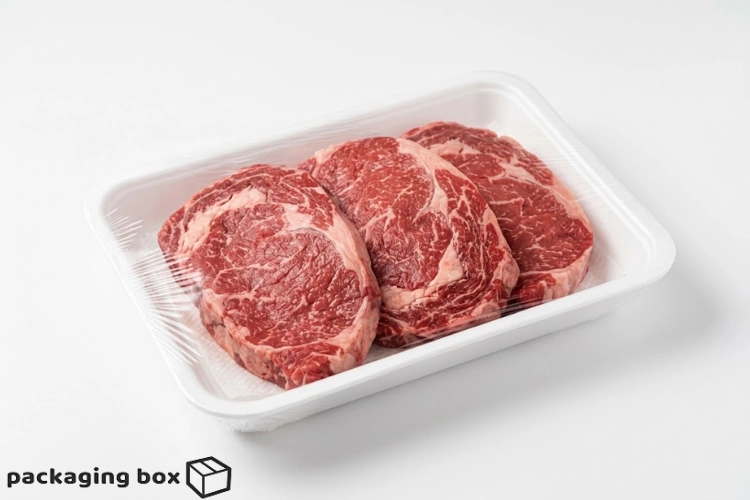

If you’ve ever opened your fridge to find a piece of meat that smells off just a day after buying it, you already know how frustrating — and wasteful — poor storage can be. Learning how to store fresh meat properly using food-grade meat trays isn’t just a kitchen hack; it’s a science-backed practice that protects your health, preserves flavor, and extends shelf life. Whether you’re a home cook prepping meals for the week, a butcher managing daily stock, or a supermarket owner responsible for hundreds of cuts on display, the right tray combined with the right technique makes all the difference between meat that stays fresh and meat that spoils before its time.
In this guide, we’ll walk through everything from choosing the correct tray material to understanding refrigerator and freezer temperatures, so you can build a storage routine that’s safe, efficient, and easy to maintain long-term.
🥩 Why Proper Meat Storage Really Matters
Fresh meat is one of the most perishable items in any kitchen or retail counter. Unlike packaged snacks or canned goods, meat begins losing quality the moment it’s cut, and bacteria growth in meat can start within just a few hours if it isn’t handled correctly. This is exactly why proper meat packaging isn’t a luxury — it’s a necessity for anyone who takes food safety seriously.
When meat is exposed to air, moisture, or fluctuating temperatures, it becomes an ideal breeding ground for harmful microorganisms like Salmonella and E. coli. These pathogens are invisible to the naked eye, which means you can’t always tell just by looking whether a piece of meat is still safe to cook. That’s precisely why food safety standards set by health authorities emphasize both correct storage temperature and proper containment — and this is where food-grade meat trays step in as the first real line of defense.
Beyond safety, there’s also the matter of quality. Meat stored under the right conditions retains its natural color, texture, and moisture far longer than meat left in open air or wrapped in low-quality packaging. For butcher shops and supermarkets especially, this translates directly into fewer customer returns, less wasted stock, and a stronger reputation for freshness.
📦 Understanding Food-Grade Meat Trays
What Actually Makes a Tray “Food-Grade”?
Not every tray sitting in a kitchen drawer or supermarket storeroom is suitable for meat. A tray only qualifies as genuinely food-grade when it’s manufactured from materials approved for direct contact with food, meaning no harmful chemicals leach into the product even under moisture, cold storage, or the pressure of stacking.
Food-grade trays are typically tested against strict benchmarks, including guidelines aligned with FDA meat storage regulations and, in many regions, USDA food safety guidelines. These standards confirm that the material won’t react with the meat’s natural juices, won’t absorb odors that could contaminate future batches, and can survive temperature swings between refrigeration and freezing without cracking or warping.
Common Types Used Across the Industry
Meat packaging trays generally fall into a few practical categories, each suited to different business needs and storage durations. Foam meat trays remain popular at supermarket meat counters because they’re lightweight, moisture-absorbent, and cost-effective for high-volume use. Plastic meat packaging trays — particularly those made from PET (Polyethylene Terephthalate) — offer excellent clarity and durability, which makes them ideal for vacuum-sealed meat storage or cuts displayed under bright store lighting. Meanwhile, BPA-free meat trays have grown in demand as more consumers and businesses prioritize sustainable food packaging without compromising on hygiene.
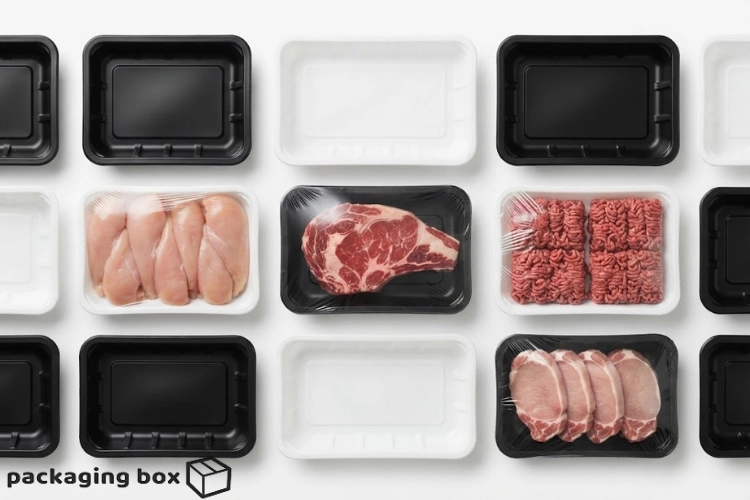
For businesses exploring their options, our meat tray collection includes both black meat tray and white meat tray varieties, each suited to different display and branding needs — a topic we’ve explored in more depth in our comparison of black vs white meat trays for business.
🧊 How to Store Fresh Meat Properly: A Step-by-Step Approach
Now that we understand why the right tray matters, let’s walk through the actual process. Storing meat properly isn’t complicated, but it does require attention to a few critical details that many people overlook.
Step 1: Choose the Right Tray Size and Material
The first decision point is selecting a tray that matches the cut and quantity of meat you’re storing. A tray that’s too small forces meat to overlap, trapping moisture between layers and encouraging bacterial growth. One that’s too large leaves excess air space, which can accelerate freezer burn during long-term storage. If you’re running a butcher shop or supermarket counter, our detailed meat tray size guide for supermarkets and butcher shops walks through matching tray dimensions to specific cuts, from ground meat to whole poultry portions.
Step 2: Wrap or Seal Before Refrigeration
Once your meat sits in its food-grade tray, the next step is sealing it properly. Cling film remains the simplest and most widely used option — a tight wrap prevents air exposure, slows oxidation, and locks in natural moisture. For businesses handling larger volumes, our cling film roll is designed specifically for food-contact wrapping and pairs well with any tray setup. For longer preservation, vacuum-sealed meat storage removes almost all air from the packaging, which dramatically slows bacterial activity and extends shelf life well beyond standard wrapping methods.
Step 3: Maintain the Right Temperature
Temperature control is arguably the single most important factor among all meat preservation methods. Fresh meat intended for use within a day or two should sit in the refrigerator at a temperature below 40°F (4°C) — this range slows bacterial growth without freezing the product. If you won’t use the meat within that window, freezer storage for meat at 0°F (-18°C) or lower halts bacterial activity almost entirely, preserving both safety and quality for weeks or even months depending on the cut.
Step 4: Position Trays Correctly Inside Storage Units
Where you place the tray matters more than most people realize. Meat trays should sit on the lowest shelf of the refrigerator, away from ready-to-eat foods, to prevent drips from causing cross-contamination issues. This single habit — physically separating raw meat from other foods — remains one of the most effective ways to support foodborne illness prevention in any kitchen, whether at home or in a commercial setting.
❄️ Refrigerator vs. Freezer: Choosing the Right Storage Method
Deciding between the fridge and freezer often comes down to how quickly you plan to use the meat. Here’s a quick reference based on common meat types and their typical shelf life under proper temperature-controlled storage:
| Meat Type | Refrigerator Shelf Life (Below 40°F) | Freezer Shelf Life (0°F) |
|---|---|---|
| Ground meat (beef, chicken) | 1–2 days | 3–4 months |
| Whole cuts (steak, chops) | 3–5 days | 6–12 months |
| Poultry (whole or pieces) | 1–2 days | 9–12 months |
| Processed/cured meat | 5–7 days | 1–2 months |
As the table shows, freezer storage consistently offers a much longer safe window, which is why many households and small businesses rely on it for bulk purchases. That said, freezing does affect texture slightly, especially in high-moisture cuts, so it’s best reserved for meat you don’t plan to cook within the week.
⚠️ Common Mistakes That Compromise Meat Freshness
Even with the best intentions, a few small missteps can undo all your careful storage efforts. Watching out for these habits will save you both money and health risks:
- Leaving meat trays uncovered or loosely wrapped, allowing air and bacteria easy access
- Storing meat near the refrigerator door, where temperatures fluctuate the most with every opening
- Reusing disposable meat trays without proper cleaning, increasing contamination risk
- Ignoring meat freshness indicators like discoloration, sliminess, or unusual odor before cooking
Avoiding these pitfalls, combined with using properly sized food-grade trays, keeps your entire storage routine both safe and efficient.
✅ Food Safety Standards Every Business Should Know
For butcher shops, supermarkets, and cloud kitchens, meat storage isn’t just about freshness — it’s a matter of regulatory compliance. Local and international food safety standards typically require that raw meat be stored, displayed, and transported using containers that meet hygienic handling benchmarks. Following USDA food safety guidelines, or equivalent regional standards, isn’t just about avoiding penalties; it directly reduces the risk of foodborne illness outbreaks that could damage a business’s reputation overnight.
This becomes especially relevant during seasonal demand spikes. During occasions like Eid, for instance, meat handling volumes increase dramatically across Pakistan, which is why we put together a dedicated Qurbani meat packaging guide covering the best meat trays for high-volume, short-turnaround storage needs.
🏪 Best Practices for Butchers, Supermarkets & Cloud Kitchens
Retail and food-service environments face challenges that home kitchens simply don’t encounter — higher volume, longer display times, and stricter hygiene expectations from customers walking past a counter every day. For butcher shops specifically, choosing trays that balance presentation with practicality matters just as much as food safety itself. Our guide on meat tray packaging for butcher shops in Pakistan covers how to select trays that keep meat visually appealing on display while still meeting hygienic handling requirements behind the scenes.
Supermarkets, meanwhile, often deal with even higher turnover and need reliable supply chains for packaging materials. Businesses ordering in volume can explore our bulk meat tray packaging options to ensure consistent quality without frequent reordering. And for a broader packaging strategy across a food business — not just meat — our overview on how to choose food packaging in Pakistan offers useful context for aligning packaging choices with overall food safety goals.
🌱 Sustainable and BPA-Free Options for the Future
As consumer awareness around plastic and chemical exposure grows, sustainable food packaging has shifted from a niche preference to a mainstream expectation. BPA-free meat trays address this shift directly, offering the same structural reliability as traditional plastic meat packaging without the chemical concerns tied to older tray materials.
This transition isn’t just about consumer preference — it’s increasingly becoming an industry standard, particularly as more retailers position themselves as health-conscious brands. We covered this evolution in detail in our piece on food-grade, BPA-free meat trays and the future of meat packaging, which explores how disposable meat trays are evolving to meet both safety and environmental expectations simultaneously.
Conclusion: Fresher Meat Starts With the Right Tray
At its core, learning how to store fresh meat properly using food-grade meat trays comes down to three consistent principles: choosing the right material, maintaining the correct temperature, and handling the product with hygiene as the top priority. Whether you’re managing a household fridge or running a full supermarket meat counter, these fundamentals don’t change — only the scale does.
Getting this right protects your customers, reduces waste, and builds the kind of trust that keeps people coming back to buy from you again. If you’re ready to upgrade your meat storage setup, explore our full range of food-grade meat trays and find the perfect fit for your business today.
❓ Frequently Asked Questions
1. What is the safest temperature to store fresh meat in the refrigerator? Fresh meat should be stored below 40°F (4°C) in the refrigerator to slow bacterial growth while keeping the meat safe for short-term use, typically 1–5 days depending on the cut.
2. Are foam meat trays safe for storing raw meat? Yes, foam meat trays are widely used and considered safe when manufactured to food-grade standards, as they’re designed to absorb excess moisture and prevent direct contamination.
3. How long can meat stay fresh in a food-grade tray in the freezer? Most cuts stay safe in the freezer at 0°F (-18°C) for 3 to 12 months, depending on the type of meat — ground meat lasts shorter, while whole cuts last significantly longer.
4. Can I reuse disposable meat trays? It’s not recommended. Disposable meat trays are designed for single use, and reusing them without professional-grade sanitization increases the risk of cross-contamination.
5. What’s the difference between BPA-free and regular plastic meat trays? BPA-free meat trays are made without Bisphenol-A, a chemical linked to potential health concerns, making them a safer and more sustainable alternative to traditional plastic meat packaging.







💬 0 Comments
Leave a Comment