
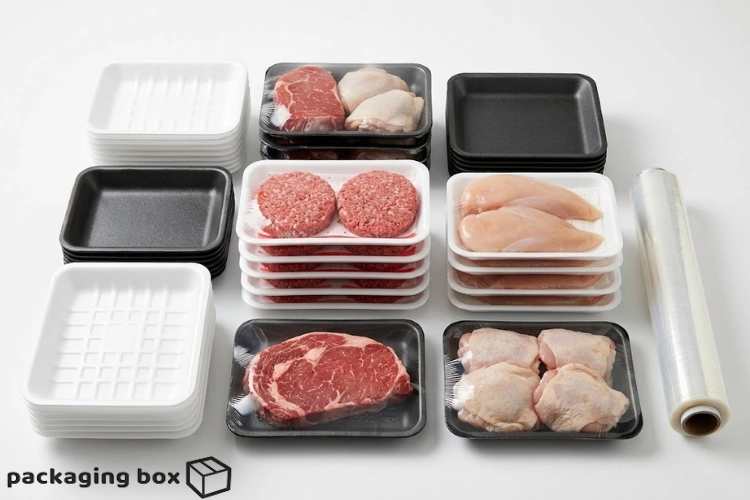

If you run a meat processing unit, a wholesale meat distribution business, or a large-scale butchery in Pakistan, you already know one uncomfortable truth: packaging is never really an afterthought. Bulk Meat Tray Packaging Pakistan has quietly become one of the most important purchasing decisions in the entire meat supply chain, because a single wrong choice in tray material, thickness, or hygiene standard can lead to spoilage, customer complaints, or even rejected shipments. Meat is perishable, temperature-sensitive, and judged instantly by how it looks on the shelf — which means your packaging is doing marketing, food-safety, and logistics work all at once. In this guide, we’ll walk through everything a serious meat processor or wholesaler needs to know before placing their next bulk order, from choosing the right tray material to understanding compliance standards that matter for both local retail and export business.
🥩 Why Meat Tray Packaging Deserves More Attention Than You Think
Most business owners underestimate how much packaging influences a customer’s buying decision at the point of sale. A cut of beef or chicken sitting in a stained, flimsy, or poorly sealed tray looks unappetizing even if the meat itself is perfectly fresh — and in a market as visually driven as Pakistan’s meat retail sector, that first impression can make or break repeat business.
Beyond appearance, meat trays serve a functional role that’s easy to overlook until something goes wrong. They control moisture, prevent leakage during transport, protect against contamination, and in many cases extend shelf life by hours or even days. For processors supplying supermarkets, hotels, or export clients, this isn’t a small detail — it’s part of the product specification. That’s why meat processing packaging solutions need to be evaluated with the same seriousness as the meat cutting or cold storage process itself.
📦 Retail Packaging vs. Bulk Meat Tray Packaging — What’s the Real Difference
There’s a meaningful gap between packaging a few trays for a neighborhood butcher shop and sourcing meat tray packaging for wholesalers who move thousands of units weekly. Bulk buyers need consistency across every batch, predictable lead times, and pricing that scales down significantly per unit as order volume increases.
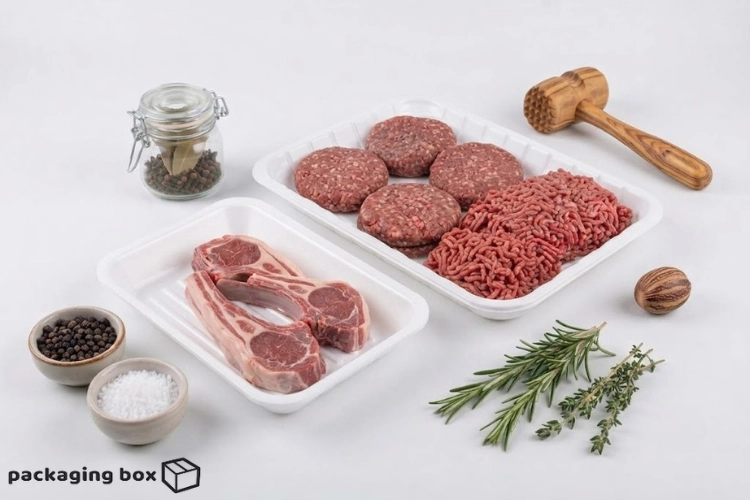
This is also where meat tray packaging for processors differs from packaging bought by a small retail counter. Processors often need trays compatible with automated wrapping machines, specific depth-to-surface ratios for different cuts (mutton, beef, chicken, or mince), and materials that hold up during cold storage and transport without warping or cracking. Wholesalers, on the other hand, prioritize stackability, visual presentation for display cases, and packaging that survives multiple handling points between the processing unit and the final retail shelf.
🧊 Types of Meat Packaging Trays Available in the Pakistani Market
Walk into any packaging supplier’s catalog and you’ll find a handful of core tray materials, each suited to different business needs. Understanding the trade-offs here helps you avoid overpaying for features you don’t need — or worse, underpaying and compromising on food safety.
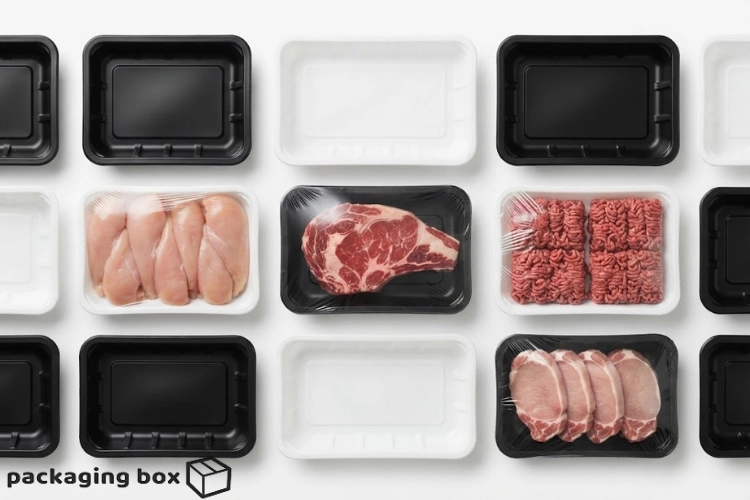
Foam and Styrofoam meat trays remain popular because they’re lightweight, absorb minor moisture, and are inexpensive at scale — making them a favorite for high-volume butcher shops and supermarkets. Plastic meat packaging trays, meanwhile, offer more rigidity and are often preferred for export-grade packaging or premium retail presentation, since they hold their shape better under refrigeration and during transit. Then there are kraft trays, which have gained traction among eco-conscious brands wanting a more sustainable, biodegradable option without sacrificing durability.
If you’re deciding between materials, our detailed comparison on black vs white meat trays breaks down which color and material combination actually performs better for different types of meat businesses — a genuinely useful read before placing a bulk order.
📊 Quick Comparison: Foam vs Plastic vs Kraft Meat Trays
| Tray Type | Best For | Key Advantage |
|---|---|---|
| Foam / Styrofoam Trays | Butcher shops, supermarkets | Lightweight, cost-effective, absorbs moisture |
| Plastic Meat Trays | Wholesalers, export businesses | Rigid, reusable, better cold-chain performance |
| Kraft Trays | Eco-focused brands, premium retail | Biodegradable, strong visual branding appeal |
As the table shows, there’s no single “best” tray — the right choice depends on your business model, budget, and whether appearance or durability matters more for your customer base.
🏭 What to Look for in a Bulk Meat Packaging Supplier in Pakistan
Finding reliable bulk meat packaging suppliers Pakistan businesses can actually depend on long-term is harder than it sounds. Many suppliers can quote a low price upfront but struggle with consistency once order volumes scale up, or they cut corners on food-grade certification to stay competitive.
Before signing on with any wholesale meat tray manufacturer Pakistan has to offer, it’s worth checking a few non-negotiable factors:
- Consistent stock availability for meat packaging trays in bulk quantity, especially during peak demand seasons like Eid-ul-Adha
- Verified use of food-grade packaging material that meets local safety expectations
- Transparent minimum order quantities and clear lead times for repeat orders
- Willingness to customize tray size, depth, or branding for processor-specific needs
For a deeper look at how minimum order quantities and pricing tiers typically work in Pakistan’s packaging industry, our guide on bulk packaging orders, minimum quantity, and cost is a helpful next step. And if you’re still narrowing down which vendor relationship makes sense long-term, this piece on choosing the right packaging supplier covers the red flags most buyers miss during their first few orders.
🌍 Compliance Matters: HACCP, Food Safety, and Export Standards
If your business supplies supermarkets, hotels, or international clients, compliance isn’t optional — it’s the entry ticket. HACCP compliant meat packaging has become a baseline expectation for any processor hoping to work with larger retail chains or export markets, since it demonstrates that hazard points in your packaging process have been identified and controlled.
Pakistan’s food safety packaging regulations are tightening as more processors enter export markets, particularly for halal-certified meat products heading to Gulf countries. This means meat export packaging standards now often require documented traceability, tamper-evident sealing, and materials proven safe for direct food contact — not just “food-safe” in name only. For businesses handling halal meat packaging, pairing certified processing practices with properly sealed, contamination-resistant trays isn’t just good practice — it’s often a contractual requirement from buyers abroad.
🧪 Cold Chain, Absorbent Pads, and the Freshness Factor
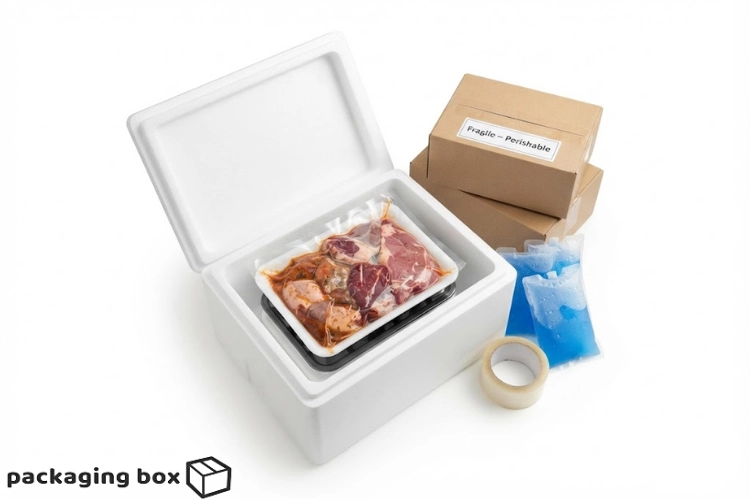
A tray alone doesn’t guarantee freshness — it’s the combination of tray, wrap, and cold chain handling that determines shelf life. Cold chain packaging practices, where meat stays within a controlled temperature range from processing to point of sale, rely heavily on trays that don’t degrade or leak under refrigeration.
Absorbent meat pads placed inside trays help manage the natural moisture and blood that fresh meat releases, keeping the product visually appealing and reducing bacterial growth risk. Layered on top of that, meat shrink wrap rolls or cling film create a tight seal that locks in freshness while allowing customers to see the product clearly — a small detail that noticeably boosts consumer trust at the retail counter. If you’re setting up or upgrading your wrapping process, our cling film roll is a practical, food-grade option that pairs well with any tray material you choose.
For businesses using automated packaging lines, a properly calibrated meat packaging machine paired with the right tray dimensions can significantly reduce labor costs while improving consistency — something worth factoring into your long-term equipment planning, not just your next tray order.
💰 Making Bulk Orders Cost-Effective Without Compromising Quality
Every processor eventually faces the same question: how do you get cost-effective bulk meat packaging without gambling on quality? The honest answer is that pricing and quality aren’t always opposites — they just require smarter sourcing decisions.
Ordering in larger, planned batches rather than reactive small orders almost always brings down per-unit costs. Working with a meat packaging supplier Karachi or meat packaging supplier Lahore based near your processing facility also cuts down on freight costs and delivery delays, which matter more than people realize when you’re dealing with perishable inventory timelines. It also helps to standardize your tray sizes across product lines where possible — fewer SKUs mean better bulk pricing and simpler inventory management on your end.
If exporting is part of your growth plan, it’s worth budgeting slightly higher upfront for export-grade trays and sealing materials, since the cost of a rejected shipment almost always outweighs the savings from cheaper packaging.
🔗 Building a Complete Meat Packaging Setup
A single tray rarely solves the whole packaging puzzle. Most successful meat processors and wholesalers combine a few core products to build a reliable, presentable, and compliant packaging line. Depending on your product mix, that setup often includes disposable meat trays for single-use retail sale, sturdier reusable trays for internal transport between processing and distribution points, and absorbent pads or wrap film to manage moisture and presentation.
Browsing our full meat tray collection is a good starting point if you’re comparing options side by side — including both black meat trays and white meat trays, which each suit slightly different display and branding needs. For businesses leaning toward a more sustainable presentation, our kraft tray range offers a biodegradable alternative without sacrificing strength.
If you’re just getting your butchery packaging supplies organized for the first time, our practical guide on meat tray packaging for butcher shops walks through the essentials step by step — and our meat tray size guide helps you match tray dimensions to your most common cuts, whether that’s beef mutton chicken tray packaging for retail display or larger bulk-format trays for wholesale distribution.
For processors specifically concerned about long-term health and safety compliance, our piece on BPA-free meat trays explains why this material distinction is becoming a bigger conversation in Pakistan’s food packaging industry — and why it’s worth asking your supplier about directly.
❓ Frequently Asked Questions
What is the best tray material for bulk meat packaging in Pakistan? It depends on your business type. Foam trays work well for cost-conscious butcher shops and supermarkets, while plastic trays suit wholesalers and exporters needing more durability. Kraft trays are ideal for brands prioritizing sustainability.
How do I find reliable bulk meat packaging suppliers in Pakistan? Look for suppliers offering consistent stock, food-grade certified material, transparent minimum order quantities, and customization options. Checking supplier reviews and requesting product samples before large orders is always a smart move.
What is HACCP compliant meat packaging, and do I need it? HACCP compliance means your packaging process has identified and controlled potential food safety hazards. It’s essential for processors supplying supermarkets, hotels, or export clients, and increasingly expected across the broader meat industry.
Are custom meat tray sizes available for processors in Pakistan? Yes, most established manufacturers offer custom meat tray manufacturer Pakistan services, allowing processors to specify tray depth, size, and even branding based on their product line and packaging machine compatibility.
How can I reduce costs on bulk meat tray orders without sacrificing quality? Order in planned, larger batches, standardize tray sizes across product lines, and source from suppliers located near your facility to reduce freight costs. Investing slightly more in export-grade materials also prevents costly shipment rejections down the line.
🎯 Final Thoughts
Packaging often gets treated as a back-office decision in the meat industry, but for processors and wholesalers competing in Pakistan’s fast-growing food sector, it’s genuinely a front-line business asset. The right tray protects your product, builds trust with buyers, and in many cases opens the door to bigger retail and export contracts that simply aren’t available to businesses using inconsistent or non-compliant packaging. Whether you’re just formalizing your bulk packaging solutions for meat industry needs or scaling up an already established processing operation, the decisions you make now around tray material, supplier reliability, and compliance will shape how far your business can grow.
Ready to upgrade your meat packaging setup? Explore our complete range of meat trays and bulk packaging solutions or reach out to our team for a customized wholesale quote tailored to your processing volume.





💬 0 Comments
Leave a Comment