
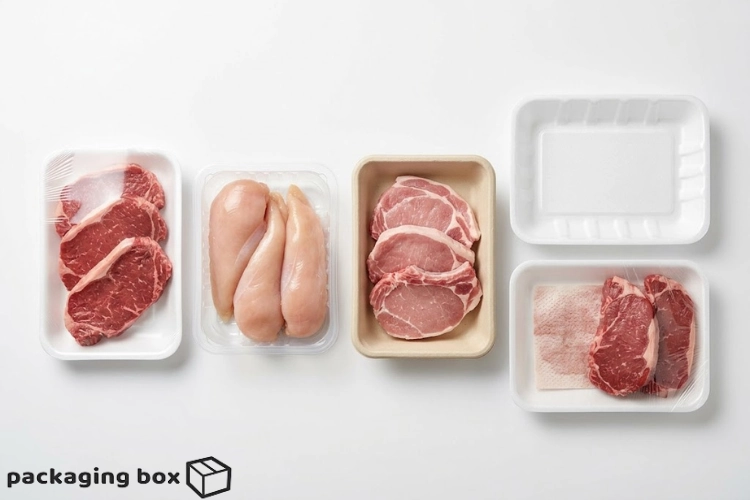

If you run a butcher shop, supermarket, or meat processing business in Pakistan, chances are meat tray packaging is one of the most important purchasing decisions you’ll make this year. It’s not just a container — it’s the first thing a customer notices, the layer that protects freshness, and the detail that quietly builds (or breaks) trust in your brand. Yet most buyers walk into this decision with more questions than answers: What material is safest? What size fits my cuts? Does foam really work better than plastic? This guide answers every one of those questions in plain, practical language, so you can buy with confidence instead of guesswork.
📦 What Is Meat Tray Packaging and Why Does It Matter?
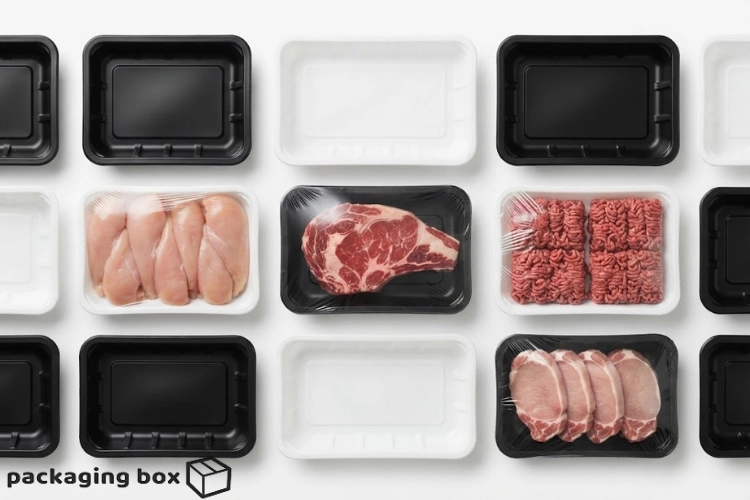
Meat tray packaging refers to the rigid or semi-rigid containers used to hold raw meat, poultry, or seafood for display, storage, and transport. Unlike flexible pouches, trays provide structural support, which keeps cuts intact, prevents crushing, and gives retailers a clean, presentable way to showcase their product on a shelf or counter.
Beyond appearance, these trays play a direct role in food safety. A well-designed tray slows bacterial growth, manages moisture, and extends shelf life — all of which matter enormously in Pakistan’s climate, where cold-chain breaks can happen quickly during transport or storage. If you’ve ever wondered why some meat looks fresher longer while sitting in the same display counter, the answer is almost always the packaging underneath it.
For butcher shops specifically, choosing the right meat packaging solutions also affects operational efficiency — faster wrapping, easier stacking, and fewer leaks mean less waste and happier customers. If you want a deeper dive into shop-specific recommendations, our guide on best meat tray packaging for butcher shops in Pakistan breaks this down further.
🧊 Types of Meat Tray Packaging You Should Know About
Not all trays are created equal, and the material you choose shapes everything from cost to shelf appeal. Here’s a breakdown of the three categories you’ll encounter most often as a buyer.
Foam Meat Trays
Foam meat trays (often called Styrofoam meat trays) remain popular because they’re lightweight, inexpensive, and excellent at absorbing shock during transport. They also provide decent insulation, which helps slow temperature changes. The downside is that foam isn’t the most eco-conscious choice, and many markets are gradually shifting away from it due to environmental regulations.
Plastic Meat Trays
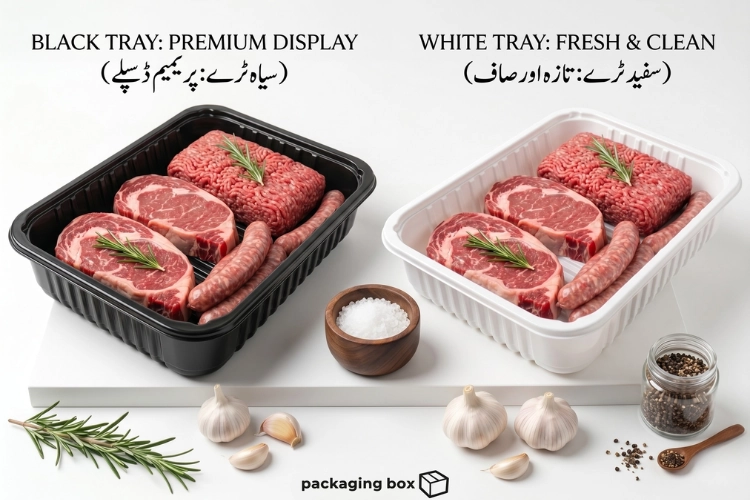
Plastic meat trays offer a sturdier, more transparent presentation. Many of these are designed with leak-proof bases and raised ridges that keep juices separated from the meat surface. They’re a strong fit for supermarkets that want a premium shelf look. If you’re comparing color options for branding purposes, our comparison of black vs white meat trays and which is best for business is worth a read before you decide.
Biodegradable Meat Trays
As sustainability becomes a bigger conversation in Pakistan’s food industry, biodegradable meat packaging is gaining real traction. These trays break down faster after disposal and appeal strongly to environmentally conscious customers. They tend to cost slightly more, but many brands find the goodwill and marketing value worth the investment — something we explore further in our piece on food-grade, BPA-free meat trays and the future of meat packaging.
| Tray Type | Best For | Key Advantage | Limitation |
|---|---|---|---|
| Foam Trays | Budget-conscious retailers | Lightweight, shock-absorbing | Less eco-friendly |
| Plastic Trays | Supermarkets, premium display | Leak-proof, transparent | Slightly higher cost |
| Biodegradable Trays | Eco-focused brands | Sustainable, recyclable | Shorter shelf availability |
📏 How to Choose the Right Meat Tray Size and Dimensions
One of the most common mistakes new buyers make is underestimating how much meat tray dimensions affect both cost and presentation. A tray that’s too small crowds the product and risks spillage; one that’s too large wastes shelf space and makes portions look smaller than they are.
The right size genuinely depends on what you’re packaging — a few chicken breasts need a very different tray than a full kilogram of mutton chops. Butcher shops dealing with seasonal demand spikes, like Qurbani season, often need a range of sizes on hand to match varying cut volumes. Our detailed breakdown on meat tray size guide for supermarkets and butcher shops walks through standard dimensions used across Pakistani retail, which is a great starting point if you’re ordering for the first time.
🧪 Food-Grade Material: What Makes a Meat Tray Safe?
Safety is non-negotiable when it comes to anything touching raw meat. A genuinely food-grade packaging material should be free from harmful chemicals, resistant to moisture, and stable at refrigeration or freezing temperatures without breaking down or leaching substances into the food.
In Pakistan, buyers should specifically look for trays that meet recognized food safety standards packaging benchmarks, similar to what’s expected under FDA-approved guidelines internationally. This matters even more for export-oriented meat businesses, where compliance documentation can make or break a deal. When comparing suppliers, always ask directly whether their food-safe meat trays have been tested for chemical migration — a reputable supplier will have this answer ready without hesitation.
💧 Absorbent Pads & Leak-Proof Design – Why They’re Essential
Here’s something many first-time buyers overlook: the tray itself is only half the story. Absorbent pads for meat trays sit beneath the meat to soak up natural juices and blood, keeping the product looking clean and appetizing while reducing the risk of bacterial growth caused by pooling liquid.
Combined with a genuinely leak-proof tray design, these pads prevent the messy spills that damage packaging during transport and create unpleasant experiences for customers at checkout. If you’ve ever received a complaint about a leaking meat pack, the fix usually isn’t a new tray altogether — it’s upgrading to a design with better absorption and sealed edges.
🌍 Vacuum Sealed vs Modified Atmosphere Packaging (MAP)
For businesses prioritizing extended shelf life, two advanced techniques dominate the conversation: vacuum sealing and Modified Atmosphere Packaging (MAP).
Vacuum sealed meat packaging removes air entirely from around the product, which slows oxidation and significantly extends freshness — ideal for frozen or long-distance shipped meat. MAP, on the other hand, replaces the air inside the tray with a specific gas mixture (often a blend of oxygen, carbon dioxide, and nitrogen) that preserves color and texture while still allowing some product “breathing room,” which many retailers prefer for fresh display counters.
Choosing between the two really comes down to your business model: exporters and bulk freezer operations tend to favor vacuum sealing, while retail counters selling same-day fresh cuts often lean toward MAP for its superior visual appeal on the shelf.
❄️ Cold Chain & Shelf Life: Keeping Meat Fresh Longer
Good meat tray packaging is only one piece of a larger puzzle called the cold chain — the uninterrupted temperature control that follows meat from processing to the customer’s fridge. Even the best tray can’t compensate for a broken cold chain, so pairing smart packaging with proper cold chain packaging practices is essential.
This is particularly relevant during high-demand periods like Eid-ul-Adha, when meat volumes spike dramatically across Pakistan. If your business handles seasonal surges, our guide on Qurbani meat packaging and the best meat trays for Eid offers practical, season-specific advice that standard packaging guides often miss.
♻️ Eco-Friendly & Recyclable Meat Packaging Options
Sustainability isn’t just a buzzword anymore — it’s becoming a genuine purchasing factor for Pakistani consumers, especially in urban markets. Recyclable meat packaging options have expanded considerably in recent years, giving butcher shops and supermarkets real alternatives to traditional foam.
Switching to eco-friendly trays does require some adjustment, since these materials sometimes behave differently in terms of rigidity and moisture resistance. However, many businesses report that customers actively notice and appreciate the shift, which can become a genuine differentiator in a crowded market.
💰 Meat Tray Packaging Cost: What Affects Pricing?
Pricing for meat tray packaging isn’t one-size-fits-all, and several factors influence what you’ll actually pay per unit. Material type is the biggest driver — foam is generally cheapest, plastic sits in the middle, and biodegradable options command a premium. Beyond material, order volume matters enormously; buying in bulk dramatically reduces per-unit cost, which is why most established butcher shops and supermarkets avoid small, frequent orders.
A few additional cost factors worth knowing:
- Tray size and thickness — larger or reinforced trays cost more per unit.
- Customization — printed branding or specialized shapes add to the price.
- Add-ons — absorbent pads, wrapping film, and vacuum sealing increase overall packaging cost.
If budget planning is a priority, our breakdown on bulk packaging orders, minimum quantities, and cost guide gives a clearer picture of how pricing scales with order size.
🏭 How to Choose a Reliable Meat Tray Supplier
Finding trustworthy meat tray suppliers is arguably the most important decision in this entire process, because even the best packaging design means little if delivery is unreliable or quality is inconsistent. A good supplier should offer transparent pricing, consistent stock availability, and willingness to share material safety documentation without pushback.
It also helps to work with suppliers who understand the Pakistani market specifically — local climate conditions, common transport challenges, and regional demand patterns all affect what “the right tray” actually looks like here versus international markets. Our detailed advice on tips for choosing the right packaging supplier covers red flags to watch for and questions worth asking before signing any agreement.
🛒 Buying in Bulk: Wholesale Meat Tray Packaging Tips
For growing businesses, buying meat tray wholesale is almost always the smarter financial move. Beyond the obvious cost savings per unit, bulk ordering reduces the frequency of reorders, minimizes the risk of running out during peak demand, and often unlocks better terms with suppliers who value consistent business relationships.
That said, bulk buying does require accurate forecasting — overordering ties up capital and storage space, while underordering defeats the purpose entirely. If you’re exploring wholesale options for the first time, our resources on bulk meat tray packaging in Pakistan and where to buy wholesale packaging in Pakistan are both excellent starting points. You can also browse our full range of trays directly through our meat tray product category to compare options side by side.
❓ Frequently Asked Questions (FAQs)
1. What is the best material for meat tray packaging? It depends on your priorities. Foam works well for budget and shock absorption, plastic offers better presentation and leak protection, while biodegradable trays suit businesses prioritizing sustainability.
2. How do I choose the right meat tray size? Match the tray dimensions to your typical cut volume — oversized trays waste space and look empty, while undersized trays risk overflow and spillage.
3. Are meat trays food-grade and FDA approved? Reputable suppliers offer trays made from certified food-grade packaging material, tested for safety and often aligned with FDA-approved standards for direct food contact.
4. What’s the difference between foam and plastic meat trays? Foam is lighter and cheaper but less durable and less eco-friendly; plastic is sturdier, more transparent, and generally offers better leak-proof performance.
5. Can meat tray packaging be used in the freezer? Yes, many trays are specifically designed to withstand freezer temperatures without cracking or losing structural integrity, especially when paired with vacuum sealing.
6. How much does meat tray packaging typically cost? Pricing varies based on material, size, and order volume, with bulk wholesale orders offering significantly lower per-unit costs than small retail purchases.
7. Is biodegradable meat packaging as effective as plastic? Modern biodegradable options have improved significantly and now offer comparable moisture resistance and durability, though they may come at a slightly higher price point.
✅ Final Thoughts & Call to Action
Choosing the right meat tray packaging isn’t just about picking whatever’s cheapest or most familiar — it’s about matching material, size, and design to your specific business needs while keeping food safety and shelf appeal front and center. Whether you’re a small butcher shop upgrading your display or a supermarket chain planning bulk procurement, the right packaging decision protects your product, your customers, and ultimately, your brand reputation.
If you’re ready to upgrade your meat packaging setup, explore our full collection of food-safe, leak-proof, and budget-friendly meat trays at PackagingBox.pk and get a solution tailored to your business volume today.





💬 0 Comments
Leave a Comment