
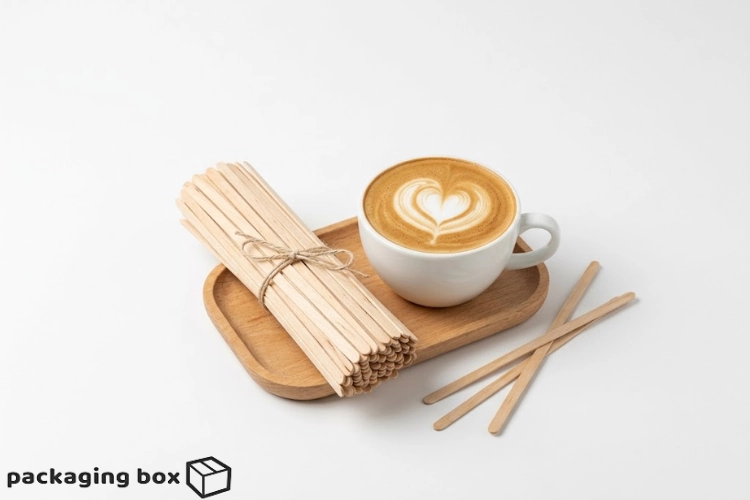

If you run a café in Pakistan and you’re still handing out plastic stirrers with every cup of coffee, you’re not alone — but you’re also sitting on one of the easiest sustainability wins available to your business. Wooden stir sticks have quietly become the go-to replacement for plastic stirrers across coffee shops, cloud kitchens, and hospitality brands that want to look modern, act responsibly, and save money at the same time. This guide walks you through exactly why the switch matters, what makes wooden stirrers different, and how to make the transition without disrupting your daily operations.
By the end of this article, you’ll understand the practical, financial, and reputational reasons cafés are moving away from plastic — and you’ll have a clear roadmap for making the change in your own space.
🌍 The Plastic Problem Every Café Owner Should Know About
Plastic stirrers seem harmless. They’re small, cheap, and disposable. But that’s exactly the problem — because they’re used once and thrown away, they contribute directly to the mountain of single-use plastic waste that ends up in landfills, drains, and eventually oceans. Pakistan, like much of South Asia, is grappling with rising plastic pollution, and cafés are often unaware of how much they contribute simply through small items like stirrers, straws, and cutlery.
Globally, governments have started responding with a single-use plastic ban, and Pakistan has introduced similar restrictions in several cities. Even where enforcement is inconsistent, customer expectations are shifting fast. People notice when a café still uses plastic stirrers, and increasingly, they notice when it doesn’t. This shift in consumer awareness is pushing café owners to look for plastic stirrer alternatives that are affordable, functional, and genuinely better for the planet.
The good news is that solving this problem doesn’t require a complicated overhaul. It starts with one simple swap.
🪵 What Exactly Are Wooden Stir Sticks?
Wooden stir sticks are slim, flat sticks — usually made from birch wood or similar sustainably harvested timber — designed to stir hot or cold beverages without breaking down, leaching chemicals, or leaving an odd taste. Unlike plastic versions, they’re biodegradable, compostable, and typically sourced from FSC-certified wood, meaning the timber comes from responsibly managed forests rather than uncontrolled logging.
Most cafés source these as disposable wooden stir sticks, similar to what you’ll find in this natural wooden tea and coffee stir stick range, which is designed specifically for high-turnover beverage counters. They’re lightweight enough to not add bulk to your packaging supplies, yet sturdy enough to stir thick drinks like lattes, milkshakes, or iced beverages without snapping.
What makes them particularly appealing is that they check every box a modern café needs: they’re food-safe, splinter-free, compostable, and visually align with the earthy, minimal aesthetic that many coffee brands are already going for.
☕ Why Cafés Are Actively Switching From Plastic to Wood
The shift toward eco-friendly stir sticks isn’t just a trend — it’s being driven by a combination of environmental urgency, customer expectations, and genuine business logic. Let’s unpack the core reasons.
🌱 Environmental Responsibility Without the Guesswork
Wooden stirrers decompose naturally within weeks under composting conditions, while plastic stirrers can persist in the environment for hundreds of years. For a café trying to build a zero-waste café identity, switching to wood is one of the fastest ways to reduce your carbon footprint without changing your menu, pricing, or service style. It’s a low-effort, high-impact move.
🧑🤝🧑 Customer Perception and Brand Image
Today’s coffee drinkers — especially the younger, health-conscious, and environmentally aware crowd — actively notice green café practices. A wooden stirrer resting on a saucer signals care and intention in a way plastic simply can’t. It becomes a small but memorable part of the customer experience, reinforcing the idea that your café thinks beyond just serving drinks.
🏢 Corporate Responsibility and Long-Term Positioning
For café chains or brands looking to strengthen their corporate social responsibility (CSR) profile, visible sustainability efforts like compostable stir sticks offer an easy, low-cost way to demonstrate genuine commitment — not just marketing language. This pairs well with other sustainable swaps, such as the shift many restaurants are making in this wooden cutlery vs plastic cutlery comparison, which breaks down similar reasoning for forks, spoons, and knives.
📊 Wooden vs Plastic Stirrers: A Side-by-Side Comparison
To make the decision easier, here’s how wooden and plastic stirrers stack up across the factors that matter most to café owners.
| Factor | Wooden Stir Sticks | Plastic Stirrers |
|---|---|---|
| Decomposition Time | Weeks (compostable) | 100+ years |
| Material Source | Renewable, FSC-certified wood | Petroleum-based |
| Food Safety | Naturally food-safe, no chemical leaching | Risk of chemical leaching in hot drinks |
| Customer Perception | Seen as premium and eco-conscious | Increasingly seen as outdated |
| Cost at Bulk Volume | Competitive, often comparable | Slightly cheaper per unit, but declining demand |
| Regulatory Risk | Compliant with plastic bans | Vulnerable to future restrictions |
As the table shows, plastic stirrers may hold a marginal cost edge at extremely small volumes, but that advantage disappears quickly once you factor in regulatory risk, brand image, and the growing consumer preference for sustainable café supplies.
💰 Cost, Bulk Buying, and the Real Financial Picture
One of the biggest myths around switching to wood is that it’s automatically more expensive. In reality, when purchased through the right channels, bulk wooden stirrers for business are priced very competitively — especially once you account for the fact that many suppliers offer tiered pricing for larger orders.
Café owners who buy in bulk typically see per-unit costs drop significantly compared to retail pricing, similar to the savings outlined in this bulk packaging orders and minimum quantity guide. If your café serves more than a hundred beverages daily, ordering wooden stirrers in bulk isn’t just environmentally sound — it’s financially smart.
There’s also a hidden cost consideration: reputational risk. Cafés that delay switching away from plastic may eventually face compliance costs or emergency restocking under future plastic ban regulations. Making the switch now, on your own timeline, avoids that pressure entirely.
🔄 How to Replace Plastic Stirrers in Your Café — A Practical Walkthrough
Switching your café’s stirrers doesn’t require a dramatic operational shift. Most café owners can complete the transition within a single supply cycle. Here’s how the process typically unfolds in practice.
The first step is auditing your current usage. Look at your monthly plastic stirrer consumption and use that number to estimate how many wooden coffee stirrers you’ll need going forward — this prevents over-ordering or running short during peak hours.
Next comes supplier selection. Not all wood stirrers are created equal, so it’s worth checking whether the supplier offers FSC-certified material, consistent sizing, and splinter-free finishing. A reliable place to start is browsing options through this eco-cutlery product category, which groups together several wood-based disposables suited for café counters.
Once you’ve selected a supplier, it helps to run a short trial period — perhaps two to three weeks — where you monitor customer feedback and staff adaptation. Baristas need almost no retraining since wooden stirrers function identically to plastic ones, but it’s still worth confirming that stock levels and storage space are adjusted accordingly.
A few practical tips make the rollout smoother:
- Store wooden stirrers in a dry area, since excess moisture can affect texture over time.
- Introduce the change with a small in-store note or social post — customers respond positively when they understand why the switch happened.
- Pair the stirrer switch with other eco-friendly upgrades, such as biodegradable coffee stirrers alongside compostable cups, to strengthen your overall sustainability narrative.
This staged approach ensures the transition feels intentional rather than reactive, which matters both for staff morale and customer perception.
🌱 Beyond Stirrers: Building a Genuinely Sustainable Café
Wooden stirrers are often the entry point into a much broader sustainability journey. Once a café makes this first switch, it becomes much easier to evaluate other disposable wooden products across the counter.
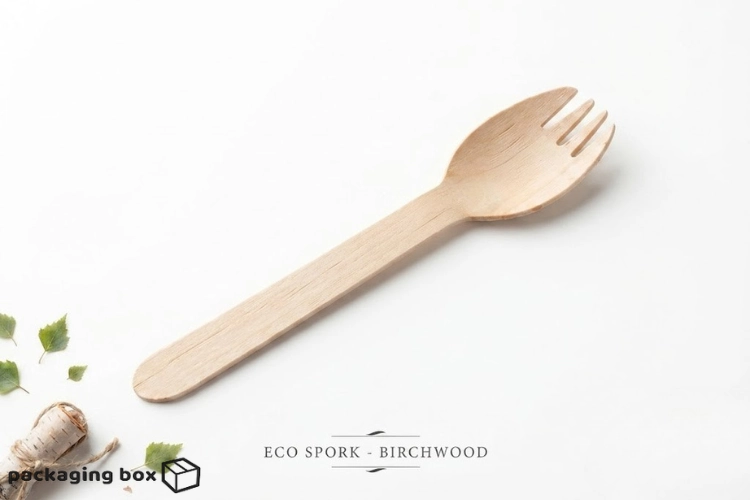
Many café owners pair their stirrer upgrade with a shift toward wooden cutlery, following the same logic outlined in this complete eco café cutlery setup guide. Others go a step further by exploring specialty items like the birchwood spork, which works well for cafés serving light meals alongside beverages.
For coffee-focused businesses specifically, it’s worth pairing your stirrer transition with a look at your cup strategy. This eco-friendly coffee cup guide and this comparison of paper vs plastic coffee cups both explore how the same sustainability logic extends naturally to your cup selection, lid types, and overall serving experience.
Even something as small as choosing between a flat, dome, or sip lid contributes to the same brand story — a café that thinks carefully about every disposable touchpoint, not just the obvious ones.
🏆 Choosing the Right Supplier for Long-Term Reliability
Not every packaging supplier treats wooden stirrers for café use with the seriousness it deserves. Since these items touch food and drink directly, sourcing from a supplier who prioritizes food-grade material, consistent quality, and dependable delivery timelines matters far more than chasing the lowest price per unit.
Before committing to a long-term order, it’s worth reviewing a few fundamentals: certification of the wood source, minimum order quantities, and how quickly the supplier can fulfill repeat orders during busy seasons. This guide to choosing the right packaging supplier covers exactly these evaluation points in more depth, and it’s a useful reference regardless of which eco-friendly product category you’re sourcing.
Cafés operating at scale — or those planning to expand — should also consider suppliers who can support wholesale supplier relationships, since consistent bulk access prevents last-minute sourcing headaches. If you’re just getting started with sustainable sourcing in general, this beginner’s guide to starting a packaging-conscious business offers helpful context on building supplier relationships that scale with your café.
💡 Final Thoughts: A Small Switch With Outsized Impact
Replacing plastic stirrers with wooden stir sticks is one of the rare café upgrades that costs little, requires almost no retraining, and delivers immediate environmental and reputational benefits. It signals to customers that your café pays attention to the details that matter — not just the coffee in the cup, but everything that touches it.
As plastic ban regulations continue tightening across Pakistan and consumer expectations shift further toward plastic-free coffee shop experiences, cafés that make this switch early position themselves as forward-thinking rather than reactive. The transition is simple, the cost difference is negligible at scale, and the brand goodwill it generates tends to outlast the small operational adjustment required to get there.
If you’re ready to make the switch, start small: audit your current stirrer usage, source a reliable supplier of wooden coffee stirrers, and roll out the change with a short trial period. From there, the rest of your sustainability journey — cutlery, cups, and packaging — tends to follow naturally.
❓ Frequently Asked Questions
Are wooden stir sticks safe for hot beverages? Yes. Food-grade wooden stirrers, especially those made from birch wood, are designed to withstand hot liquids without warping, releasing odor, or leaching chemicals.
Do wooden stirrers cost more than plastic ones? At bulk volumes, the price difference is minimal, and many suppliers offer competitive rates for wooden stirrers purchased in wholesale quantities.
How long do wooden stir sticks take to decompose? Under proper composting conditions, wooden stirrers typically break down within a few weeks, compared to plastic stirrers that can persist for centuries.
Can small cafés switch to wooden stirrers without disrupting operations? Yes. Since wooden stirrers function identically to plastic ones, staff require little to no retraining, and the transition can usually be completed within one restocking cycle.
What other products pair well with wooden stir sticks for a more sustainable café? Wooden cutlery, compostable cups, and paper-based lids are common next steps for cafés looking to expand their sustainability efforts beyond stirrers.










💬 0 Comments
Leave a Comment