
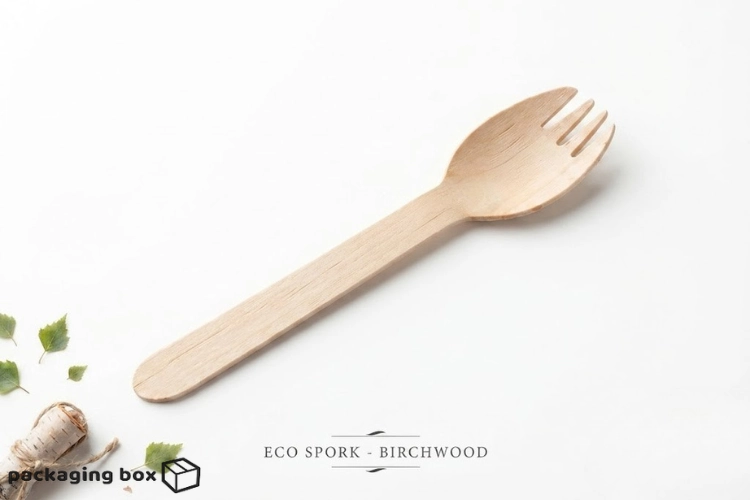

If you’ve ever stared at a plastic fork wondering if there’s a better way to eat your rice, salad, or noodles without adding to a landfill, you’re not alone. A birchwood spork is exactly that better way — a single, elegant utensil that combines a spoon and a fork into one biodegradable tool made from natural birch wood. So, what is a birchwood spork really, and why is it suddenly showing up in cafes, camping kits, and eco-conscious kitchens everywhere? Let’s unpack it properly.
In this guide, we’ll walk through what makes this humble utensil so clever, how it stacks up against plastic and bamboo alternatives, where it fits into your daily life, and how to pick a quality one that actually holds up to real meals.
🌿 What Is a Birchwood Spork? (The Simple Definition)
A birchwood spork is a hybrid utensil — part spoon, part fork — carved or pressed from sustainably sourced birch wood. The word “spork” itself is a blend of “spoon” and “fork,” and the design has been around for over a century in various plastic and metal forms. What changes the game here is the material.
Instead of petroleum-based plastic, a wooden spork uses a fast-growing, renewable hardwood that’s naturally light, smooth, and food-safe. The result is a utensil that looks rustic and premium at the same time, while being fully biodegradable and often compostable at the end of its life.
Why Birch Wood Specifically?
Not all wood is created equal when it comes to cutlery. Birch is popular for a few very practical reasons:
- Naturally smooth grain — no splinters when properly finished
- Odorless and tasteless — doesn’t affect the flavor of your food
- Lightweight yet sturdy — strong enough for rice, pasta, and salads
- Sustainably farmed — birch trees regenerate quickly compared to hardwoods like oak
- Food-safe by nature — requires no chemical treatment to be safe for eating
This combination is exactly why brands producing birch wood utensils have grown so much in the last few years — it’s one of the few materials that checks both the performance box and the sustainability box.
🍴 Key Features of a Birchwood Spork
A well-made wooden spork isn’t just “a fork that looks eco.” It’s engineered with a few specific features that make it genuinely functional:
- Dual-function head — fork tines on one side, a shallow spoon bowl on the other
- Smooth, sanded finish — safe on lips and gums, no rough edges
- Compact, lightweight body — easy to pack in lunchboxes, travel bags, or camping gear
- Natural wood grain pattern — every piece looks slightly unique
- No coatings or plastic lamination — 100% wood, fully compostable
This is what separates a genuine all-in-one eco cutlery piece from cheaper imitation “eco” products that are actually just plastic sporks painted brown.
♻️ Why Choose an Eco-Friendly Spork Over Plastic Cutlery
Here’s where the bigger picture comes in. Plastic cutlery has a dark side that most of us don’t think about while grabbing a quick meal.
The Environmental Cost of Single-Use Plastic
- Plastic forks and spoons take hundreds of years to break down
- Most plastic cutlery isn’t recyclable due to size and mixed materials
- Millions of plastic utensils end up in oceans and landfills every single day
- Even “biodegradable” plastic often needs industrial composting facilities that don’t exist in most cities
A single-use plastic alternative like a birchwood spork sidesteps all of this. It breaks down naturally in a fraction of the time and doesn’t leave microplastics behind.
The Benefits of a Biodegradable Spork
- Decomposes naturally in weeks to months, not centuries
- Made from a renewable resource rather than fossil fuels
- Non-toxic — no BPA, no plasticizers, no chemical residue
- Compostable in home compost bins in many cases
- Carbon-conscious — lower manufacturing footprint than plastic production
If you’re building toward a zero-waste living lifestyle, swapping plastic cutlery for wooden alternatives is one of the easiest, most immediate changes you can make.
📊 Birchwood Spork vs Other Eco Cutlery Options
Not all sustainable cutlery is created equal. Here’s how a birchwood spork compares to the other common choices on the market:
| Material | Biodegradable? | Sturdiness | Cost | Best For |
|---|---|---|---|---|
| Birchwood Spork | Yes, fully compostable | High — holds up to hot/cold food | Low-moderate | Everyday meals, events, travel |
| Bamboo Cutlery | Yes | Moderate-high | Moderate | Reusable kits, restaurants |
| Plastic Spork | No (centuries to break down) | High but brittle | Very low | Not recommended long-term |
| Cornstarch (PLA) Cutlery | Only industrially compostable | Moderate | Moderate | Catering, large events |
| Metal/Steel Spork | Reusable, not biodegradable | Very high | High | Long-term reusable option |
The takeaway: if you want something genuinely compostable, food-safe, and affordable at scale, a wooden spoon fork combo like birchwood consistently outperforms plastic and even some “green-labeled” alternatives that quietly require industrial composting.
🎒 Best Uses for a Wooden Spork
One of the most underrated things about a birchwood spork is just how versatile it is. It’s not a niche product — it fits naturally into dozens of everyday situations:
- Office lunches — no need to wash and carry a metal fork back and forth
- Camping and hiking trips — lightweight, pairs well with our disposable wooden boat serving trays for a full outdoor dining setup
- Food delivery and takeaway packaging — a premium, plastic-free touch for restaurants
- Events, weddings, and catering — elegant look without the plastic guilt
- Kids’ lunchboxes — safe, splinter-free, and easy to dispose of responsibly
- Travel and road trips — an ideal portable dining tool that takes zero cleanup
This flexibility is exactly why it’s marketed as all-in-one eco cutlery — one utensil replaces the need for separate forks and spoons in single-use settings.
🌱 How Is a Birchwood Spork Made?
Understanding the manufacturing process helps explain why these utensils are trusted as a genuinely sustainable kitchenware option rather than just a marketing label.
Responsible Sourcing
Quality manufacturers source birch from managed, fast-regrowth forests. Birch trees mature relatively quickly compared to other hardwoods, which means the supply chain has a much lower environmental impact than tropical hardwoods or plastic derived from crude oil.
The Production Process
- Timber selection — only clean, knot-free birch sections are used
- Cutting and shaping — wood is cut into blanks and shaped into the spork form
- Sanding — multiple rounds of sanding remove rough edges for a smooth, splinter-free finish
- Quality inspection — each piece is checked for defects before packaging
- Hygienic packaging — often individually wrapped for food safety in bulk or retail use
No plastic lamination, no chemical coatings — just clean, finished wood ready for the table.
🧼 How to Use and Care for Your Wooden Spork
Even though most birchwood sporks are designed for single use, many people reuse them a few times before composting. A little care goes a long way:
- Avoid soaking for long periods — wood can absorb water and soften
- Hand wash only if reusing — skip the dishwasher
- Dry immediately after washing to prevent warping
- Store in a dry container away from direct sunlight
- Compost when finished — untreated wood breaks down naturally in most compost systems
Treated this way, a single wooden spork can comfortably handle two or three light uses before it’s time to let nature take over.
🛒 Where to Find Quality Birchwood Sporks in Pakistan
If you’re looking to make the switch — whether for personal use, a restaurant, or a catering business — quality and consistency matter. At Packaging Box, our birchwood dinner spork for rice, pasta, and salads is built specifically for real meals, not just decoration. It’s sturdy enough for a proper serving of biryani or pasta while staying completely compostable.
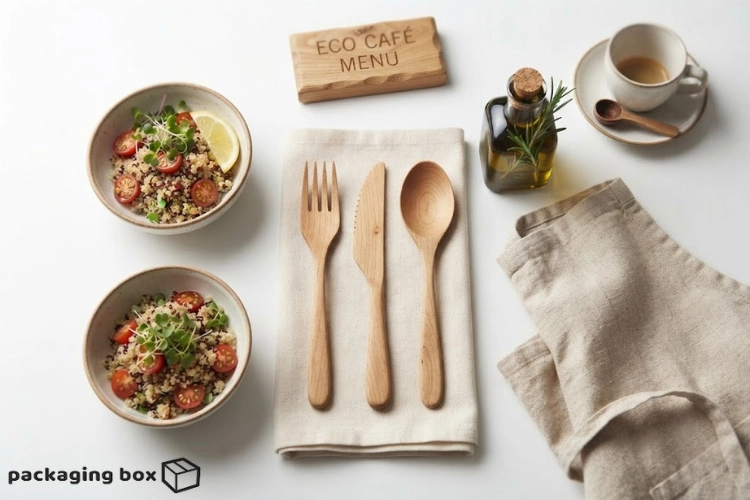
We also carry a full range of complementary wooden cutlery set pieces, including:
- Birchwood knife — for a complete plastic-free cutlery set
- Birchwood wooden spoon — ideal for soups and desserts
- Eco-friendly wooden fork — a standalone option for lighter meals
For businesses ordering in bulk, our dedicated eco-cutlery category has everything organized in one place, making it easy to build a full plastic-free dining kit for restaurants, cafes, or events.
🌎 The Bigger Picture: Building a Zero-Waste Kitchen
A birchwood spork rarely travels alone. Most people who start with one small eco swap end up rethinking their entire kitchen and packaging setup. A few natural next steps worth exploring:
- Paper straws — a simple swap that pairs perfectly with eco cutlery
- Compostable 3-compartment biodegradable plates — complete the plastic-free meal setup
- Wooden skewer sticks — great for BBQs and outdoor gatherings
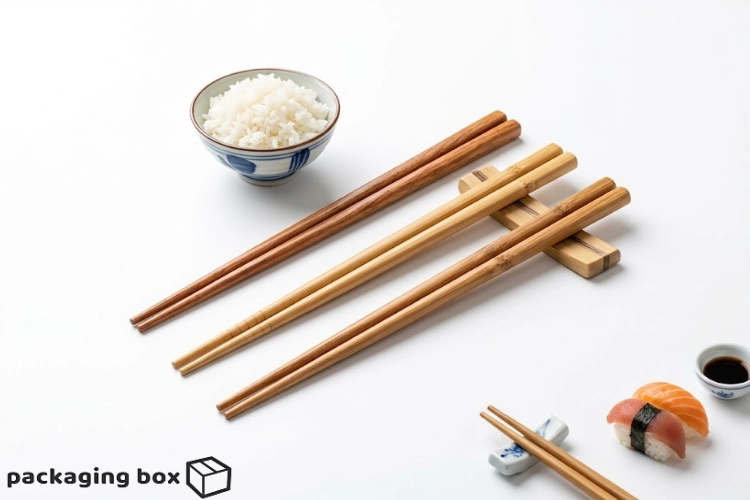
- Chopsticks — another wooden utensil option for Asian cuisine
- Natural loofah scrubbers — extend sustainability beyond the dining table
Browsing our broader eco-product category or the full disposable packaging range is a great way to see how these small swaps add up into a genuinely eco-conscious lifestyle rather than a one-off purchase.
❓ Frequently Asked Questions
Is a birchwood spork actually biodegradable? Yes. Since it’s made from untreated, natural birch wood with no plastic coating, it breaks down naturally in weeks to months under normal composting conditions.
Can a wooden spork handle hot food? Absolutely. Birch wood holds up well to hot soups, rice, and pasta without warping or releasing any odor or taste into the food.
Is a birchwood spork reusable, or strictly single-use? It’s primarily designed for single or light use, but with careful hand-washing and drying, many people reuse it two to three times before composting it.
How does it compare to bamboo cutlery? Both are excellent eco-friendly options. Birchwood tends to have a smoother finish and a slightly lighter feel, while bamboo is marginally more durable for repeated washing.
Where can I buy birchwood sporks in bulk for my restaurant? You can order wholesale directly through our eco-cutlery collection, which includes matching knives, forks, and spoons for a complete plastic-free set.
🌟 Final Thoughts
A birchwood spork proves that sustainability doesn’t have to mean compromise. It’s lightweight, food-safe, genuinely compostable, and versatile enough to handle everything from a quick office lunch to a full camping trip. As more people move away from single-use plastic, this small, clever utensil is quietly becoming a staple of the modern eco-friendly dining solution.
If you’re ready to make the switch, explore our full eco-cutlery range and start building a plastic-free table setup that’s kinder to the planet — one meal at a time.




💬 0 Comments
Leave a Comment