

Standing in front of a pile of natural sponges and wondering which one belongs in your shower is more common than you’d think. Loofah shapes are not just a design choice. Each shape changes how the sponge feels, how it reaches your skin and how long it lasts. This guide walks through the main types of loofah, explains the best loofah uses for each and helps you decide which loofah to use for your body, your face and even your kitchen sink. By the end, you will be able to pick the right shape without second-guessing.
🌿 What Exactly Is a Loofah?
A loofah, also spelled luffa, is not a sea sponge, and it is not made in a factory. It comes from the luffa gourd, a vine plant that belongs to the cucumber family. The two species used most often are Luffa aegyptiaca and Luffa cylindrica. When the gourd matures and dries, the inside turns into a tough, fibrous network. Once the skin and seeds are removed, what remains is the natural fiber we call a loofah sponge.
Because it is a plant-based sponge, it is fully biodegradable. When it reaches the end of its life, you can cut it up and drop it in a compost bin. That makes it a favorite for anyone building a zero waste bathroom, and a smart swap for the plastic mesh poufs that end up in landfills.
In practice, a loofah works as an exfoliating sponge. It lifts away dead skin cells, improves lather and gives your skin a fresh, awake feeling after a bath. Lots of people also keep a second one in the kitchen as a durable kitchen scrubber.
🔍 Why Loofah Shapes Matter More Than You Think
Most buyers grab whatever loofah looks cute. That is fine for decoration, but it can lead to a frustrating experience in the shower. A shape that is hard to hold slips out of wet hands. A bulky shape cannot reach your upper back. A thick, rough sponge can feel harsh on tender skin.
Shape affects three things:
- Grip: How comfortably the loofah sits in your palm when it is wet and soapy.
- Reach: Whether you can scrub shoulders, elbows, heels and the middle of your back.
- Pressure: How much scrubbing force the sponge delivers to one spot.
Think of it like kitchen knives. A chef’s knife and a paring knife are both knives, yet nobody uses them for the same job. Loofahs work the same way. Matching the shape to the task is the easiest way to get better results from the same plant fiber.
🧽 Types of Loofah Shapes and Their Best Uses
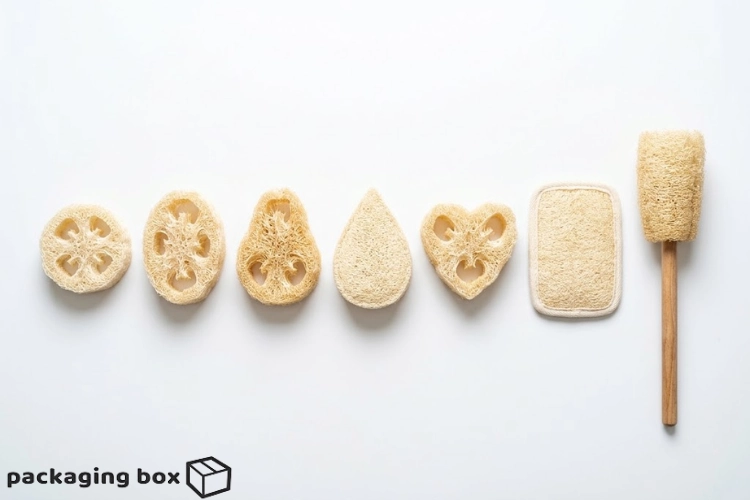
Let’s go through each shape one by one. You will find all of the following styles in the natural loofah collection at Packaging Box.
⚪ Round Loofah
The round loofah is the classic everyday shape. It is compact and sits neatly in the palm, so it is easy to control, even with soapy hands. Because the pressure spreads evenly, it works well for arms, legs, shoulders and the stomach. People who want one reliable sponge for the daily shower usually choose this shape.
If you want to try it, the round loofah scrubber is a good starting point for general skin exfoliation. It is also the shape that most people mean when they search for the best loofah for daily use.
🥚 Oval Loofah
An oval loofah has a longer, slimmer body than a round one. That extra length gives you a better swiping motion across the back of the legs, the arms and the sides of the body. It is also easier to fold, so it fits comfortably in a small hand.
The oval loofah scrubber suits people who prefer long, sweeping strokes in the bath. If you often feel that a round sponge covers too little ground, the oval shape is a natural upgrade.
🍐 Pear-Shaped Loofah
The pear shape is wider at one end and narrower at the other. The narrow tip reaches into tricky areas such as elbows, ankles and around the knees. The wider end covers larger areas, so you get two tools in one sponge.
The natural pear loofah sponge is a smart pick for people who like a little precision. It works well as a body scrub tool for rough spots like heels and knees, while still being gentle enough for the torso.
💧 Teardrop Loofah
A teardrop loofah tapers to a point, much like a water drop. That pointed end is handy for narrow areas, and the rounded base gives you something comfortable to hold. It is a favorite as a shower loofah because it feels ergonomic and looks elegant on a shower shelf.
The natural teardrop bath loofah is a nice choice if you want a sponge that works hard and looks good doing it. It also makes a thoughtful addition to a spa-style gift set.
❤️ Heart-Shaped Loofah
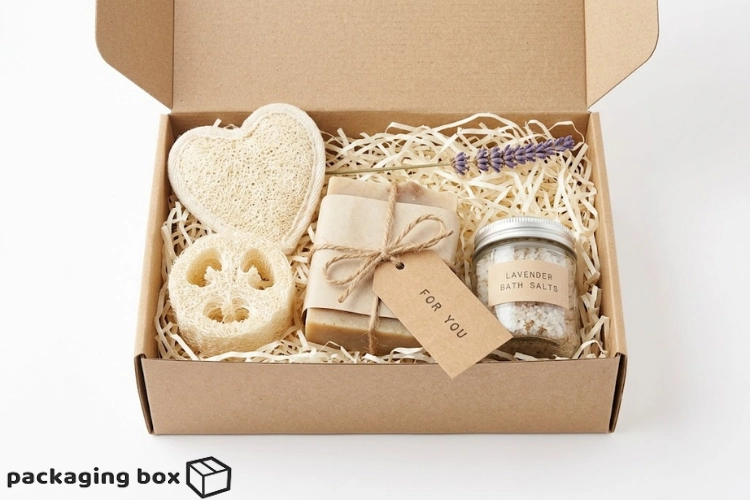
Heart-shaped loofahs are playful and perfect for gifting. They are also functional. The two lobes give you a comfortable grip, and the curved tip helps with small areas. They are popular for birthdays, bridal showers, Valentine’s gifts and eco-friendly hampers.
Take a look at the natural heart loofah scrubber if you want something that delivers both cuteness and cleaning power.
📄 Loofah Pad and Loofah Slices
A loofah pad is a flat, cut section of the gourd. Loofah slices are thinner discs, usually cut from the same fiber. These shapes are flatter and lighter than a full sponge, so they are often used for gentle jobs. Think of them as the “light touch” option.
Many people use pads for the shoulders, neck and forearms. Slices are also popular for soap-making, DIY gifts and handmade soap bars with a built-in scrubber. Because they are thin, they dry quickly, which helps with hygiene.
🧤 Loofah Glove
A loofah glove slides onto your hand like a mitt. Because it stays in place, you can apply steady pressure without worrying about it slipping. It is a good choice for people with limited grip strength, and it makes dry brushing easier before a shower.
🪵 Loofah on a Stick and Back Scrubber
A loofah on a stick is attached to a wooden handle, which makes it a loofah back scrubber. This is the answer to the common question, “Which loofah shape is best for back scrubbing?” The handle lets you reach the middle of your back, which is hard to reach with a regular sponge. It also helps people who have shoulder stiffness or limited mobility.
📊 Quick Comparison: Which Loofah to Use?
If you like to see everything in one place, this table summarizes the loofah comparison by shape, best use and who it suits.
| Loofah Shape | Best For | Who Should Pick It |
|---|---|---|
| Round | Daily body washing, arms, legs | Beginners, everyday users |
| Oval | Long strokes, back of legs | People who want more coverage |
| Pear | Heels, knees, elbows, torso | People who want precision |
| Teardrop | Shower use, narrow areas | Anyone who wants ergonomic comfort |
| Heart | Gifting, light body use | Gift buyers, hamper makers |
| Pad / Slices | Gentle scrub, soap making | Sensitive skin, DIY crafters |
| Glove | Steady pressure, dry brushing | People who dislike slippery sponges |
| On a stick | Back scrubbing | Anyone who struggles to reach their back |
To sum it up, the right pick depends on the body area, your skin type and how much pressure you like. Round and teardrop shapes cover most daily needs, and specialty shapes solve specific problems.
🛁 Best Loofah for Body, Face and Sensitive Skin
Not every part of your body can handle the same level of scrubbing. Let’s break it down.
🧴 Best Loofah for Body
For the body, a medium-firm round, oval or teardrop loofah usually works best. These shapes handle the large, tougher skin on the legs, arms and torso. The goal of loofah for exfoliation is not to scrub as hard as possible. Light, circular motions lift dead skin removal gently and leave the skin smooth without irritation.
🌸 Best Loofah for Face
Can I use a loofah on my face? Facial skin is thinner and more delicate than the skin on your body, so most dermatologist advice says to be careful. A regular body loofah is usually too rough for the face. If you want to try it, choose a very soft, thin loofah pad or slice, soak it thoroughly in warm water, and use very light pressure. Skip it entirely if you have acne, rosacea, eczema or any broken skin.
🌼 Loofah for Sensitive Skin
For a sensitive skin loofah, softness matters most. Here is how to choose:
- Pick a soft loofah over a rough one.
- Soak it in warm water for several minutes before every use.
- Use smaller, lighter strokes and avoid scrubbing the same spot repeatedly.
- Limit exfoliation to two or three times a week, depending on your skin type (dry, oily or sensitive).
The difference between a soft loofah vs rough loofah often comes down to how long it has been soaked and how thick the fibers are. If you are unsure, start soft and move up only if your skin enjoys it.
🍽️ Loofah for Dishwashing and Kitchen Cleaning
Here is something many people overlook. Loofah is a hero in the kitchen too. Can loofah be used for cleaning dishes? Yes. Natural loofah is tough enough to scrub pots, pans and countertops, yet it is gentler than steel wool and does not scratch most surfaces. As a reusable sponge, it lasts long and rinses clean quickly.
For loofah for dishwashing, a firm round or oval loofah, or a thick slice, works best. You can cut a loofah into smaller pieces and keep one for each type of job. Some tips:
- Keep one loofah only for the kitchen and one only for the body. Never mix them.
- Rinse well after each use and hang it to dry.
- Replace it as soon as it develops an odor, turns slimy or breaks apart.
If you run a café or restaurant, you may also care about the rest of your kitchen setup. You can pair a loofah scrubber with eco-friendly wooden cutlery to create a more sustainable operation from prep to plate.
🌍 Natural Loofah vs Synthetic Loofah (Plastic Mesh Pouf)
Is a natural loofah better than a plastic mesh pouf? For most people, yes, and not only because of the environment. The comparison below shows how they stack up.
| Feature | Natural Loofah | Synthetic Mesh Pouf |
|---|---|---|
| Material | Plant fiber from the luffa gourd | Plastic netting |
| Eco-impact | Biodegradable and compostable | Not biodegradable |
| Exfoliation | Firm, natural texture | Often softer and less effective |
| Lifespan | Replace every 3 to 4 weeks | Often kept far too long |
| Drying | Dries fast if hung properly | Holds moisture in folds |
| Best for | Eco-conscious users, true exfoliation | Quick, soft lather |
The takeaway is simple. A natural loofah is a better choice for sustainability and real exfoliation, while synthetic options trap moisture in their many folds. If you care about sustainable skincare, a natural eco-friendly sponge is the easy winner. It is also a biodegradable scrubber that leaves nothing behind.
🧼 Loofah Care and Cleaning: Stay Fresh, Stay Safe
Let’s talk about the part nobody enjoys. A damp sponge in a warm bathroom is a perfect home for germs, and there is real concern about bacteria in loofah and general microbial growth. The good news is that a few simple habits make a big difference.
🧽 How to Soften a Natural Loofah
How do you soften a natural loofah? Dry loofahs feel hard and scratchy. Soak yours in warm water for a few minutes before use, and it will soften into a gentle, flexible sponge. Do this every time, and you will protect your skin as well.
🚿 How to Use a Loofah Properly
How to use a loofah properly is simpler than most people expect:
- Wet the loofah thoroughly with warm water.
- Add body wash and work up a lather.
- Use light, circular motions, moving toward the heart.
- Rinse the loofah completely after every use.
- Squeeze out the water and hang it in a dry, airy spot, not on the shower floor.
Avoid using a loofah right after shaving, and never on irritated or broken skin.
🔄 How Often to Replace a Loofah
How long does a loofah last? For body use, replace a natural loofah every three to four weeks, which is the most common recommendation. Replace it sooner if it smells musty, feels slimy or shows dark spots. To extend its life between replacements, rinse it well, let it dry fully and soak it weekly in a mild disinfecting solution, such as diluted white vinegar or a very dilute bleach mix. Rinse thoroughly afterward.
Because loofahs need regular replacement, many households buy them in multiples. If you are a retailer, spa owner or gift-box seller, it helps to understand wholesale packaging options in Pakistan and how bulk order quantities and costs work before you stock up.
🛒 Loofah Buying Guide: Choosing the Right Loofah
Ready to buy? This short loofah buying guide will help with choosing the right loofah without wasting money.
Start with your main purpose. If you need an all-purpose sponge, go for a round or teardrop shape. If you want to reach your back, add a loofah on a stick. If your skin is sensitive, choose a pad or slice and keep it soft. And if you are shopping for a gift, the heart shape is hard to beat.
Next, check the quality. A good natural loofah should feel firm yet springy, have even fibers and smell clean and earthy, not musty. Avoid sponges with dark patches or loose seeds. Also, think about whether you want several shapes. Many people keep a round loofah for daily use, a pad for delicate areas and a firm slice for the kitchen. You can browse all the options in the eco-friendly products section or on the main shop page.
🎁 Loofah Gift Sets and Packaging
If you plan to sell loofahs or give them as gifts, presentation matters. A natural product deserves natural packaging. Kraft boxes and paper bags match the earthy feel of the sponge and strengthen the eco-friendly story. For ideas, see this guide to eco-friendly custom packaging boxes. It shows how to protect a product while staying true to a sustainable brand.
✅ Final Thoughts: Which Loofah Shape Should You Choose?
The best loofah is the one that suits your body, your skin and your routine. A round loofah handles everyday washing. An oval shape gives long, sweeping strokes. A pear or teardrop shape reaches the tricky spots. A pad or slice is ideal for sensitive areas and crafts, a glove stays put and a stick-handled loofah finally conquers your back.
Whichever you pick, remember the basics: soak it, rinse it, dry it and replace it on time. Do that, and your natural loofah will do its job beautifully while keeping your routine kinder to the planet.
🌱 Ready to Choose Yours?
Explore our full range of natural loofah products and pick the shape that fits your routine. Buying for a shop, spa or gift business? Contact Packaging Box today for bulk options and presentation ideas.
❓ Frequently Asked Questions (FAQs)
Which loofah shape is best for back scrubbing?
A loofah on a stick, also called a loofah back scrubber, is the best option. The handle lets you reach the middle of your back without straining your shoulders.
What is the difference between a loofah pad and a loofah sponge?
A loofah sponge is a thick, whole piece of the gourd fiber. A loofah pad is a flat, thin cut that is lighter and gentler. Pads suit delicate areas and crafts, while sponges suit full-body washing.
Which loofah is best for sensitive skin?
A soft loofah pad or slice, soaked well in warm water before use, is the best choice for sensitive skin. Use light pressure and exfoliate only two or three times a week.
Can I use a loofah on my face?
Most dermatologists suggest caution. Facial skin is thin, so use only a very soft, well-soaked loofah slice with very light pressure, or skip it if your skin is acne-prone or irritated.
Can loofah be used for cleaning dishes?
Yes. Natural loofah is a durable, reusable kitchen scrubber that cleans pots, pans and counters without harsh scratching. Keep your kitchen loofah separate from your body loofah.
How do you soften a natural loofah?
Soak it in warm water for a few minutes. The fibers relax and turn soft and flexible, which makes the sponge more comfortable on your skin.
How long does a loofah last?
A body loofah should be replaced every three to four weeks. Replace it sooner if it smells musty, feels slimy or shows dark spots.
Is a natural loofah better than a plastic mesh pouf?
For most people, yes. A natural loofah is biodegradable, exfoliates more effectively and dries faster, while plastic mesh traps moisture and adds to plastic waste.






💬 0 Comments
Leave a Comment