
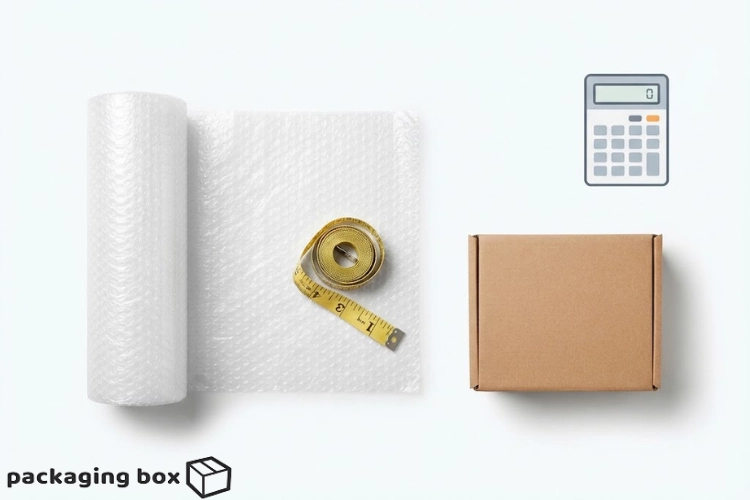

If you have ever stood in front of a half-packed box wondering how much bubble wrap do you need to keep your items safe without wasting a single sheet, you are not alone. Most people either over-wrap everything out of fear or under-wrap and end up with a cracked mug halfway across the country. The good news is that figuring this out is not guesswork — it is a simple calculation once you understand the basics of surface area, item fragility, and roll sizing. This guide walks you through a practical bubble wrap calculator approach so you can pack with confidence every single time, whether you are shipping a parcel through courier or moving an entire house.
📦 Why Knowing How Much Bubble Wrap You Need Matters
Packing without a plan usually ends in one of two ways. Either you buy a giant roll and use only a quarter of it, which wastes money, or you run out halfway through packing fragile glassware and have to make an emergency store run. Both situations are avoidable once you treat bubble wrap the same way you would treat any other packaging material calculator problem — by measuring first and buying second.
There is also a protection angle to consider. Too little cushioning means your item absorbs shock directly during transit, which increases the risk of cracks, dents, or scratches. Too much wrap, on the other hand, adds unnecessary bulk and shipping weight, which can quietly inflate your courier charges. Getting the quantity right is really about balancing shipping box protection with cost efficiency, and that balance starts with a proper measurement process rather than instinct alone.
🧮 How to Calculate Bubble Wrap Needed – Step by Step
Calculating how much bubble wrap you need is far less complicated than it sounds. The entire process comes down to measuring your item’s surface area, deciding how many protective layers it needs based on fragility, and then converting that into roll length.
Measuring Your Items the Right Way
Start by measuring the length, width, and height of the object you are packing — not the box, the actual item. For a rectangular object, multiply length by width to get the surface area of each side, then add all six sides together. For irregular items like vases or lamps, measuring the item’s circumference and height gives you a close enough estimate for practical purposes.
Once you have the total surface area in square feet or square inches, you have the raw number that every bubble wrap size guide is built around.
Using a Bubble Wrap Calculator Formula
Here is the simple formula most packaging professionals use:
Bubble wrap needed = Total surface area × Number of protective layers
For example, imagine you are wrapping a ceramic vase with a total surface area of 6 square feet. Fragile items like ceramics usually need at least two layers of cushioning, so you would need roughly 12 square feet of bubble wrap for that single item. If you are using a standard roll that is 1.5 feet wide, that translates into about 8 linear feet of wrap. This is exactly the kind of math a bubble wrap calculator does automatically, but understanding the formula helps you sanity-check any tool you use.
📏 Bubble Wrap Size Guide: Choosing the Right Roll
Not all bubble wrap is created equal, and picking the wrong roll size is one of the most common packing mistakes. Rolls vary by width, bubble diameter, and thickness, and each variation serves a different purpose depending on what you are protecting.
Small Bubble Wrap vs Large Bubble Wrap
The bubble size on the sheet is not just cosmetic — it directly affects how much shock absorption an item gets:
- Small bubble wrap (around 3/16 inch bubbles) works best for delicate, lightweight items like jewelry, phone screens, and glass ornaments where tight, close contact matters more than thick cushioning.
- Large bubble wrap (around 1/2 inch bubbles) is suited for heavier or bulkier items such as mirrors, electronics, and furniture pieces that need deeper impact absorption.
| Bubble Wrap Type | Best For | Typical Thickness | Layers Recommended |
|---|---|---|---|
| Small bubble (3/16″) | Jewelry, glassware, electronics screens | Thin to medium | 2–3 layers |
| Large bubble (1/2″) | Furniture, mirrors, appliances | Medium to thick | 1–2 layers |
| Anti-static bubble | Electronics, circuit boards | Medium | 2 layers |
A quick visit to a dedicated bubble wrap product page will show you exactly which roll width and bubble size options are available, so you can match the right type to your actual packing job instead of guessing at the store.
🚚 How Much Bubble Wrap for Moving vs Shipping
The quantity you need changes significantly depending on whether you are packing for a courier shipment or a full house move. Shipping usually involves individual, smaller parcels, while moving involves packing dozens of items at once across multiple rooms.
Bubble Wrap for Moving Calculator Essentials
When moving house, the easiest approach is to calculate room by room rather than item by item. A typical kitchen with glassware, plates, and small appliances usually needs between 150 and 250 square feet of bubble wrap. A living room with electronics, picture frames, and decor items generally needs somewhere between 100 and 180 square feet. Multiply this across every room, and you quickly see why a bubble wrap for moving calculator approach saves far more money than buying wrap in a panic at the last minute. Pairing this with sturdy home shifting boxes and the right packaging materials makes the entire relocation noticeably smoother.
Bubble Wrap Amount for Shipping Fragile Items
Shipping is a different equation altogether because courier handling tends to be rougher than careful home packing. For a single fragile item going through a delivery network, two to three layers of wrap are standard, and the box itself should have at least an inch of cushioning gap on all sides. If you are shipping regularly for an online store, it is worth reading through our e-commerce packaging guide to understand how box selection and cushioning work together to reduce damage claims.
🧊 Practical Examples: How Much Bubble Wrap for a Box
Numbers become much clearer with real examples. Below is a quick reference table based on common box sizes and typical fragility levels, giving you a realistic estimate without needing to measure every single time.
| Box Size | Item Example | Approx. Bubble Wrap Needed |
|---|---|---|
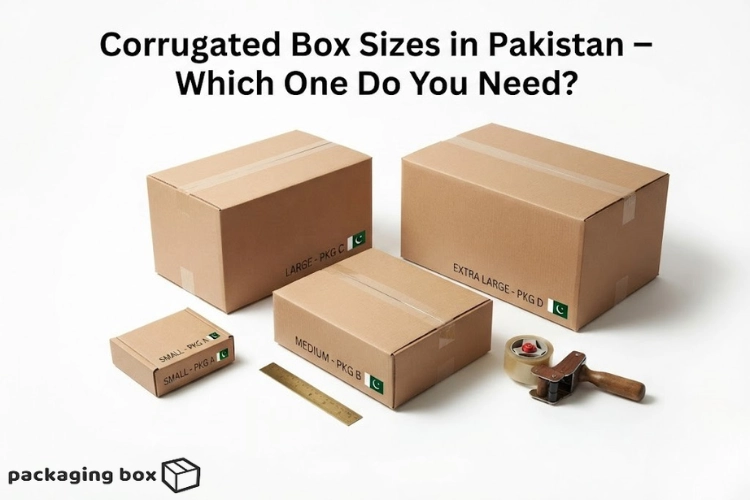
| Small box (12x12x12 in) | Mugs, small electronics, jewelry | 4–6 sq ft |
| Medium box (18x18x16 in) | Dinner sets, small appliances | 10–14 sq ft |
| Large box (24x24x20 in) | Lamps, decor items, monitors | 18–25 sq ft |
| Extra-large box (30x30x24 in) | Mirrors, framed art, large electronics | 30–40 sq ft |
These figures assume two protective layers for standard fragility. If you are shipping something especially delicate, add roughly 30% more wrap to the estimate. For heavier shipments, pairing bubble wrap with a reinforced box is just as important — our guide on how to strengthen a corrugated box for heavy items covers this well, and choosing between corrugated vs regular boxes can make a real difference in how well your cushioning performs during transit.
💰 Bubble Wrap Cost Per Roll & Smart Buying Tips
Price is often the deciding factor between buying exactly what you need versus overspending on excess material. The bubble wrap cost per roll generally depends on three things: roll length, bubble size, and whether it is a standard or anti-static variant. Smaller rolls meant for occasional home use cost less upfront but work out more expensive per square foot compared to bulk rolls.
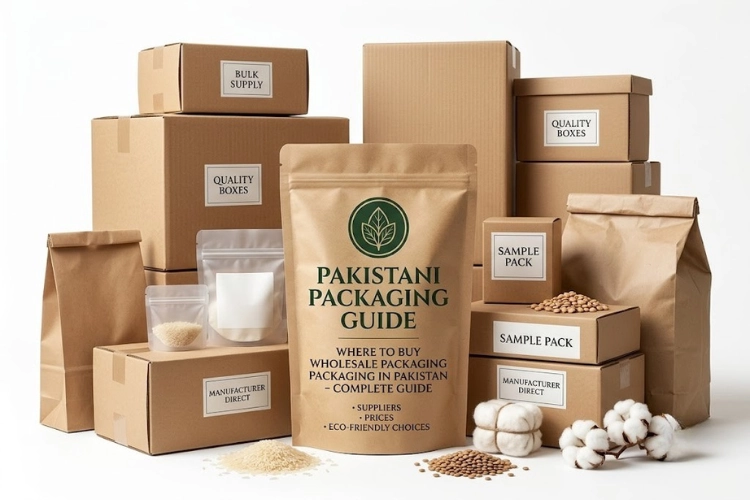
If you pack frequently — whether running an online store or managing regular shipments — buying in bulk almost always brings the per-unit cost down. This is especially true for businesses, where checking a bulk packaging orders guide before placing an order can reveal meaningful savings on minimum quantities. For businesses sourcing packaging regularly, it also helps to compare suppliers directly through a resource like where to buy wholesale packaging in Pakistan, since pricing can vary significantly between vendors offering the same roll specifications.
🌿 Bubble Wrap Alternatives Worth Considering
Bubble wrap is popular for good reason, but it is not always the only option. Kraft paper offers lightweight protection for items that are not extremely fragile, while packing peanuts fill irregular gaps that sheets cannot cover efficiently. For items that need a snug, moisture-resistant wrap rather than cushioning bulk, a cling film roll can be a practical companion material, particularly for securing items inside a box rather than protecting them from impact.
The right choice ultimately depends on what you are protecting and how it will travel. A mix of materials — bubble wrap for impact absorption, paper or peanuts for void fill — often works better than relying on a single material for every scenario.
✅ Final Packing Checklist Before You Seal the Box
Before you tape anything shut, run through this quick checklist to make sure your packing job holds up during transit:
- Wrap each fragile item individually rather than grouping several together
- Leave at least one inch of cushioning space between the item and box wall
- Use packing tape generously along all seams, not just the top
- Fill any remaining gaps so items cannot shift during handling
A reliable roll of packaging tape and a sturdy box from the ecommerce boxes category complete the setup once your bubble wrap layers are in place.
🎯 Final Thoughts
Figuring out how much bubble wrap do you need really comes down to one simple habit: measure before you wrap, rather than wrapping until it feels like enough. Once you understand surface area, layering, and roll sizing, packing stops being guesswork and starts being a quick, repeatable process — whether you are shipping a single parcel or moving an entire household.
If you want to skip the trial and error altogether, browse genuine bubble wrap rolls and complete packing supplies at packagingbox.pk and get your next shipment packed right the first time.
❓ Frequently Asked Questions
Q1: How much bubble wrap do I need for a standard shipping box? For most medium-sized boxes, 10–14 square feet of bubble wrap with two protective layers is usually enough for moderately fragile items.
Q2: How many layers of bubble wrap should fragile items get? Most fragile items need two to three layers, while extremely delicate items like glassware or ceramics may need an extra layer for added safety.
Q3: Is small bubble wrap or large bubble wrap better for moving? Large bubble wrap works better for heavier moving items like furniture and appliances, while small bubble wrap suits delicate, lightweight pieces like glassware and electronics.
Q4: Can I use bubble wrap alternatives instead? Yes, kraft paper, packing peanuts, and foam padding can substitute or supplement bubble wrap depending on the fragility and shape of the item.
Q5: Does buying bubble wrap in bulk save money? Generally yes — bulk rolls lower the cost per square foot significantly compared to buying small individual rolls repeatedly.







💬 0 Comments
Leave a Comment