
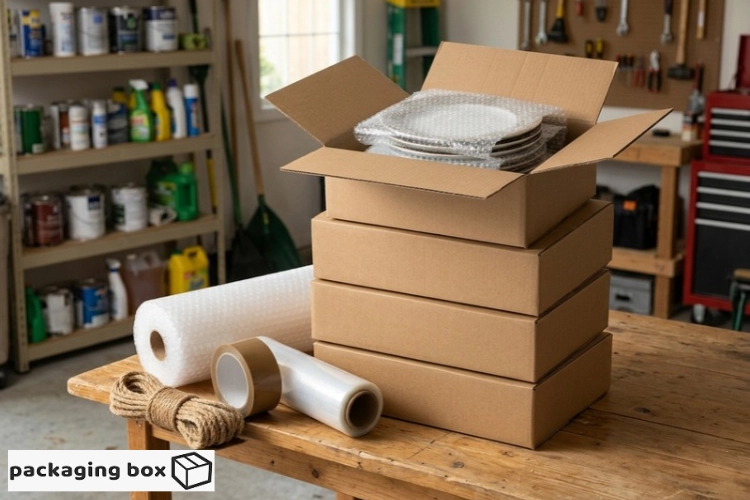

Every house move has the same moment. The truck is booked, the family is tired, and you look around at a home full of plates, sofas, clothes, screens and memories, wondering how all of it will arrive in one piece. The truth is that most damage during a move is not caused by bad luck or rough handling. It comes from weak boxes, missing cushioning and poor planning. That is why home shifting packaging in Pakistan deserves as much attention as the truck and the movers.
In this guide, I will walk you through the whole process the way an experienced mover would: which materials to buy, how many boxes you really need, how to pack each room, and how to label everything so unpacking feels calm instead of chaotic. Whether you are moving across Lahore, relocating from Karachi to Islamabad, or shifting a small apartment, these home shifting packing tips will help you protect your belongings and your budget.
🧰 Why Good Packing Material Makes or Breaks Your Move
Imagine packing your dinner set into an old fruit carton that has been soaked once and dried. It might survive the first few minutes, but the first bump on a rough road can push the bottom out. Many families pick up free cartons from shops to save money, and then pay far more in broken items.
Proper packing supplies work as a system. Strong boxes carry the weight, cushioning absorbs shocks, tape and rope hold everything closed, and wrap protects surfaces from scratches and dust. If one part of the system is weak, the rest has to work harder. Investing a little in the right moving supplies before you start is the cheapest insurance you can buy for a house move.
📦 Choosing the Right Boxes for House Shifting
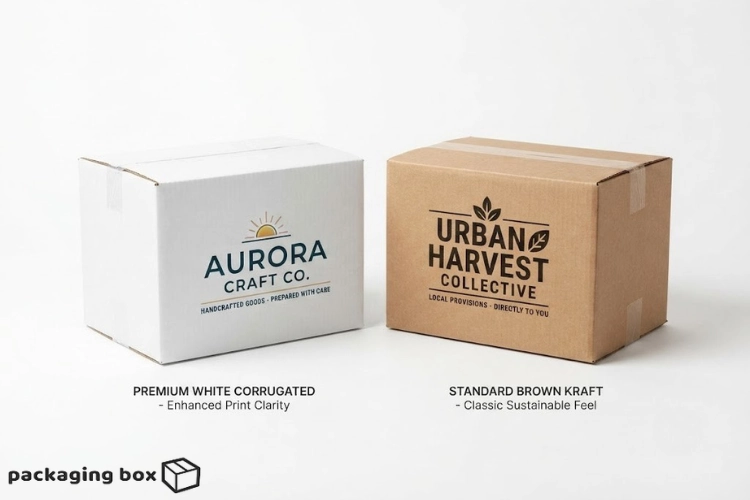
The box is the backbone of your move. For most households, corrugated boxes for shifting are the best choice because the ridged inner layer gives strength without making the box too heavy to lift. Thicker, multi-ply cartons handle heavier loads and stack better inside a truck.
The general rule is simple: the heavier the item, the smaller the box. Books, utensils and tools should go into small, strong boxes, while light items like pillows, bedding and clothes can go into larger ones. A big box filled with heavy items becomes impossible to carry and often tears at the bottom.
If you want to browse options built for this purpose, the home shifting boxes category is a good starting point. For something sturdier on fragile or heavy loads, a 7-ply DHL-style shipping box offers extra strength, and a standard e-commerce box works well for medium, everyday items.
Not sure about dimensions? Our corrugated box sizes guide for Pakistan explains which sizes suit which goods, and the article on corrugated boxes vs regular boxes shows why ordinary cartons often fail on longer trips.
🔢 How Many Boxes Do You Need to Move a House?
This is the question almost everyone asks, and the honest answer depends on your home size and how much you own. These are rough planning figures to help you start, not exact numbers. Always add a few spare boxes, because you will almost always need more than you expect.
| Home Size | Estimated Boxes (Mixed Sizes) | Notes |
|---|---|---|
| 1-bedroom apartment | 25–40 | Mostly small and medium boxes |
| 2-bedroom home | 50–80 | Add extra for kitchen and clothes |
| 3-bedroom house | 80–120 | Plan more for books and décor |
| 4+ bedroom house | 120–180+ | Consider ordering in bulk |
A practical trick: pack one room first, count the boxes it needed, and use that number to estimate the rest. If your count looks large, ordering in bulk usually lowers the cost per box. Our bulk packaging orders guide explains how minimum quantities work so you do not overbuy.
🎒 Essential Packing Material for Home Shifting
Boxes alone are not enough. Here is the toolkit that experienced movers rely on.
- Bubble wrap for glass, ceramics, frames and electronics
- Packing tape for sealing and reinforcing box bottoms
- Cling film for holding drawers, doors and loose parts together
- Packing rope (saiba) for tying furniture, mattresses and bundles
- Markers and labels for clear box labeling
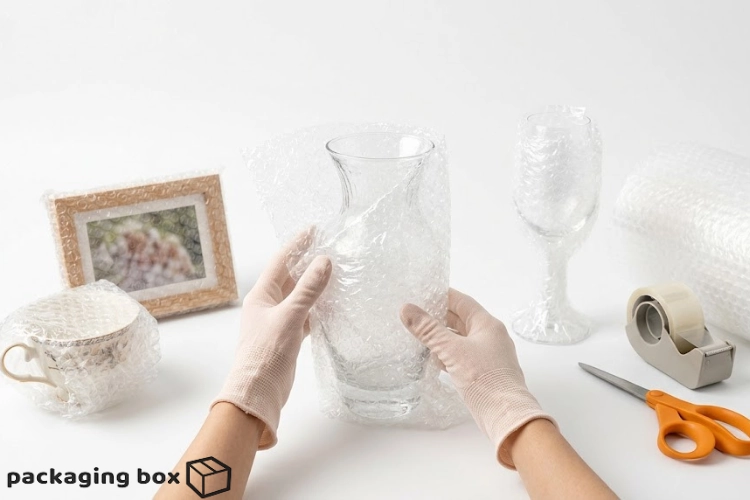
A good bubble wrap roll is the single most useful item for fragile item packing. Strong packaging tape keeps box bottoms from giving way, and cling film rolls are surprisingly handy for wrapping furniture drawers and protecting upholstery from dust. For bundling and securing larger items, packing rope (saiba) is a reliable, low-cost choice. You can also see everything together in the packaging materials category.
🗓️ Home Shifting Checklist: Start Two Weeks Early
A calm move starts well before packing day. Here is a simple timeline that works for most Pakistani households.
Two weeks before the move, sort your belongings and decide what to keep, donate or discard. Moving fewer items is the easiest way to cut cost and effort. Order your boxes and materials at this stage, so nothing is missing when you begin. One week before, start packing items you rarely use, such as seasonal clothes, extra crockery, books and décor. Two or three days before, pack the kitchen and bedrooms, keeping daily-use items aside. On the final day, pack an “essentials box” with chargers, medicines, documents, toiletries, a few utensils and a change of clothes.
Starting early also keeps you from rushing, which is when people skip cushioning and tape corners carelessly.
🍽️ How to Pack Kitchen Items for House Shifting
The kitchen is the room where most breakages happen, so go slowly here. Start with items you use least, such as special serving sets, and leave daily essentials until the last day.
For plates and glasses, wrap each piece individually in paper or bubble wrap. Plates should stand on their edges like records in a box, never stacked flat, because edges are stronger than faces. Glasses and cups should be wrapped, then packed upright with soft padding between layers. Fill every empty gap so nothing can shift, because movement is what causes breaks.
Pots and pans can nest inside each other with paper in between. Heavy items go at the bottom, lighter ones on top. Bottles and jars with liquids should have caps sealed with tape and be wrapped in plastic to prevent leaks. Always label kitchen boxes as “fragile” and mark which side is up.
🛏️ How to Pack Clothes, Bedding and Wardrobe Items
Clothes are forgiving, but they still need structure. Fold items neatly and pack them in medium boxes, or use larger boxes for bedding and quilts. Putting heavy winter clothes at the bottom and lighter items on top keeps the box stable.
For delicate or formal clothing, lay items flat with soft paper between layers to prevent creases. Shoes should be wrapped separately so dirt does not transfer to clothes. A useful tip is to use soft items such as towels, scarves and pillows as cushioning inside boxes that hold fragile items. This saves packing paper and space at the same time.
📺 How to Pack Electronics for Shifting Without Damage
Televisions, computers, routers and speakers are expensive and sensitive, so they deserve extra care. If you still have the original boxes, use them, since they were designed to fit the item perfectly. If not, wrap the device in a soft cloth, then bubble wrap, and place it in a snug box with padding on all sides.
Before unplugging anything, take a quick photo of the cable connections behind your TV or computer. This one habit saves a lot of confusion during setup. Bundle cables neatly and label them, then keep them in the same box as the device. Remove batteries from remote controls, and keep screens upright when you transport them rather than lying flat. Avoid placing heavy boxes on top of electronics in the truck.
🛋️ How to Protect Furniture During House Shifting
Furniture takes the most visible abuse during a move. Scratched wood, torn upholstery and broken legs are common, and most of them are preventable.
Disassemble what you can. Beds, tables and shelves travel more safely in parts, and you can keep screws and fittings in a labeled bag taped to the furniture itself. Wrap wooden surfaces in blankets or soft padding, then secure the layers with cling film or rope. Cling film also keeps drawers and cabinet doors from opening during transport. For sofas and mattresses, cover them with a protective wrap to block dust, moisture and stains, and tie them gently with rope so they hold shape.
When loading the truck, place the heaviest furniture first and keep it against the walls, then fill the gaps with boxes. Avoid stacking boxes on glass tabletops or fragile pieces.
🖼️ Packing Mirrors, Frames and Décor Safely
Mirrors, paintings and glass décor need flat, protective packing. Wrap each piece in bubble wrap, then place cardboard on both sides and secure it with tape. Always pack mirrors and frames upright, never flat, and label them clearly so the movers handle them carefully.
For small décor items like vases and showpieces, wrap them individually and pack them in a small box with paper stuffing. If an item has awkward shapes or thin parts, add extra padding around those areas.
🏷️ How to Label Boxes When Moving House
Good labeling turns unpacking from a nightmare into a simple routine. Use a thick marker and write on the top and at least one side of every box, so it can be read when stacked.
Write the room name, a short description of the contents, and any special note such as “fragile” or “this side up.” For example: “Kitchen – Plates & Glasses – Fragile.” Color-coded tape or stickers per room make the process even faster. When you arrive at the new house, put a sign on each room door, so movers know where to put each box without asking.
💡 Smart Packing Mistakes to Avoid
Even careful families make a few predictable mistakes. Watch out for these.
- Overloading large boxes with heavy items
- Using old, weak or wet cartons
- Leaving empty gaps inside boxes
- Skipping tape on the bottom of boxes
- Forgetting to label, then opening ten boxes to find a charger
If you want to make your boxes stronger, our guide on how to strengthen corrugated boxes for heavy items has practical, low-cost methods that apply perfectly to a house move.
🧑🔧 DIY Packing vs Packers and Movers
Should you pack yourself or hire professionals? Both options work, and the right choice depends on time, budget and the value of your belongings. DIY packing saves money and gives you control, but it takes time and effort. Packers and movers save time and bring experience, but they cost more and still rely on good materials.
Many families choose a middle route: they pack their fragile and personal items themselves, and let movers handle furniture and heavy lifting. Whichever way you go, supplying good-quality boxes and materials yourself is smart, because it ensures consistent quality rather than depending on whatever the movers bring.
🛒 Where to Buy Moving Boxes and Bubble Wrap in Pakistan
The easiest approach is to order everything in one place, so your boxes, tape, bubble wrap and rope arrive together. When you compare sellers, check box thickness, material details, delivery time and how clearly products are described.
If you are worried about ordering online, read our guide on whether it is safe to order packaging online in Pakistan. For sourcing larger quantities, where to buy wholesale packaging in Pakistan and tips for choosing the right packaging supplier will help you pick a trustworthy seller. You can also browse the full shop to build your complete cheap packing materials for home shifting order without paying for items you do not need.
✅ Quick Moving-Day Checklist
Before the truck arrives, go through this list once.
- All boxes are sealed, taped and labeled
- Fragile boxes are clearly marked and kept separate
- Furniture is disassembled, wrapped and tied
- The essentials box is packed and kept with you
- Valuables and documents travel with you, not on the truck
If every item is ticked, you are ready to move with confidence.
❓ Frequently Asked Questions
How do I pack everything safely when shifting house?
Use strong corrugated boxes, wrap fragile items in bubble wrap, fill empty gaps, seal boxes with good tape, and label every box by room and contents. Pack heavy items in small boxes and light items in large ones.
What packing material is needed for home shifting?
The basics are corrugated boxes, bubble wrap, packaging tape, cling film, packing rope, markers and soft padding such as paper or towels.
How many boxes do I need to move a house?
A one-bedroom apartment may need 25–40 boxes, while a three-bedroom house often needs 80–120. Pack one room first to estimate your total, and keep a few spares.
How do I pack plates and glasses for shifting?
Wrap each piece individually, stand plates on their edges, pack glasses upright with padding between layers, and fill every gap so nothing moves.
How do I pack electronics without damage?
Use original boxes if possible, or wrap devices in cloth and bubble wrap inside a snug box. Photograph cable connections and label wires before unplugging.
How do I protect furniture during house shifting?
Disassemble where possible, wrap surfaces in blankets or padding, secure with cling film or rope, and load heavy pieces first, away from fragile items.
🏁 Conclusion
A successful move is rarely about luck. It comes down to preparation, the right materials and a clear system. With strong boxes, quality cushioning, sensible labeling and a room-by-room plan, home shifting packaging in Pakistan becomes a manageable project rather than a stressful ordeal. Start early, pack smart, protect fragile items properly and keep essentials close, and your belongings will arrive the way they left.
📞 Ready to Pack Without the Stress?
Browse the home shifting boxes, stock up on bubble wrap, packaging tape and packing rope, and order everything in one go. Place your order today and make your next move safe, simple and damage-free.






💬 0 Comments
Leave a Comment