
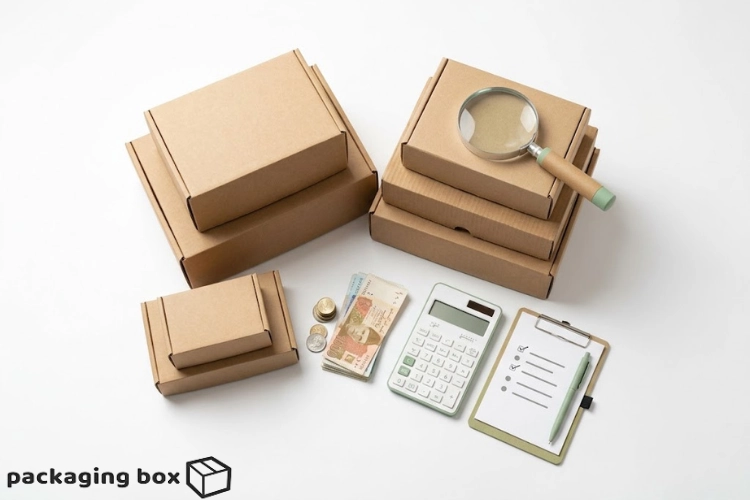

If you have ever stared at a packaging invoice and wondered how the numbers crept up so fast, you are not alone. Learning how to cut packaging costs without losing quality is one of the biggest challenges facing small businesses, home bakers, cafes, and e-commerce sellers across Pakistan. Rising material prices, shipping surcharges, and supplier minimums make it tempting to either overspend on premium boxes or cut corners with flimsy alternatives that damage your brand reputation. The good news is that reducing packaging costs does not have to mean sacrificing the protection, presentation, or professionalism your products deserve. With the right strategy, you can trim your packaging budget significantly while keeping customers just as impressed as before.
This guide walks through practical, real-world methods that packaging experts and successful brands actually use — from smarter material selection to supplier negotiation and design simplification. Whether you run a home bakery, a growing e-commerce store, or a full-scale food business, these strategies apply directly to your operations.
🏭 Why Packaging Costs Keep Climbing
Before jumping into solutions, it helps to understand why packaging expenses have become such a pain point for so many businesses. Raw material prices for corrugated board, kraft paper, and plastic resins fluctuate constantly, and shipping costs for packaging supplies tend to follow the same upward trend. On top of that, many businesses unintentionally overspend by ordering oversized boxes, using excessive void fill, or sticking with premium finishes that customers barely notice.
Small and medium businesses feel this pressure the most because they often lack the purchasing power of larger corporations, yet they still need packaging that looks professional and protects the product during transit. The encouraging part is that most packaging cost reduction strategies do not require huge upfront investment — they require better planning, smarter sourcing, and a willingness to rethink design choices that may be adding cost without adding value.
📦 Understanding the Real Cost Drivers Behind Packaging
Every packaging cost breaks down into a few core components: raw materials, printing and finishing, box dimensions, shipping weight, and order volume. When businesses understand which of these drivers is inflating their budget, they can target the right fix instead of guessing.
For instance, a business using oversized boxes pays more not just for the box itself but also for shipping, because carriers often charge based on dimensional weight. Similarly, businesses that order small quantities frequently miss out on bulk packaging discounts that could cut per-unit costs by a significant margin. A quick packaging cost analysis usually reveals that the biggest savings come from combining two or three small adjustments rather than one dramatic overhaul.
| Cost Driver | Common Mistake | Smart Fix |
|---|---|---|
| Box size | Using one oversized box for all products | Right-size packaging per SKU |
| Material choice | Premium finishes on every order | Reserve premium for hero products only |
| Order volume | Small, frequent orders | Consolidate into bulk orders |
| Design complexity | Multiple print colors and coatings | Simplify to 1–2 colors |
| Shipping | Heavy or bulky void fill | Lightweight, snug-fit packaging |
This table is a useful starting point for auditing your own packaging spend before deciding which strategy to prioritize.
🧠 Smart Material Choices That Save Money Without Cutting Corners
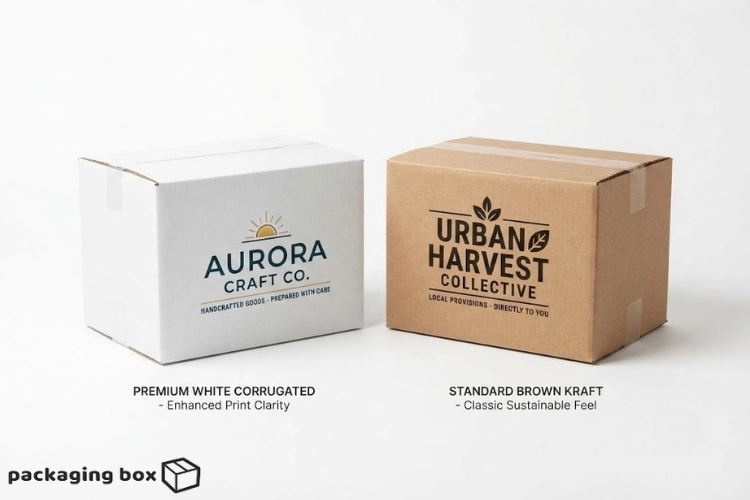
One of the fastest ways to lower expenses is choosing the right material for the job instead of defaulting to whatever looks most impressive. Corrugated boxes, for example, remain one of the most cost-effective packaging solutions for shipping because they offer strong protection at a relatively low price point, especially when compared to heavier plastic alternatives. If you are still deciding between the two, this detailed comparison of corrugated boxes vs regular boxes for online shipping breaks down exactly which option performs better for e-commerce needs.
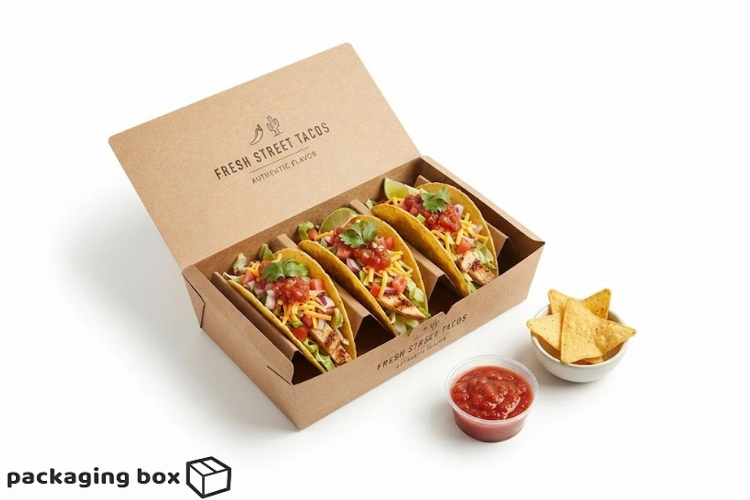
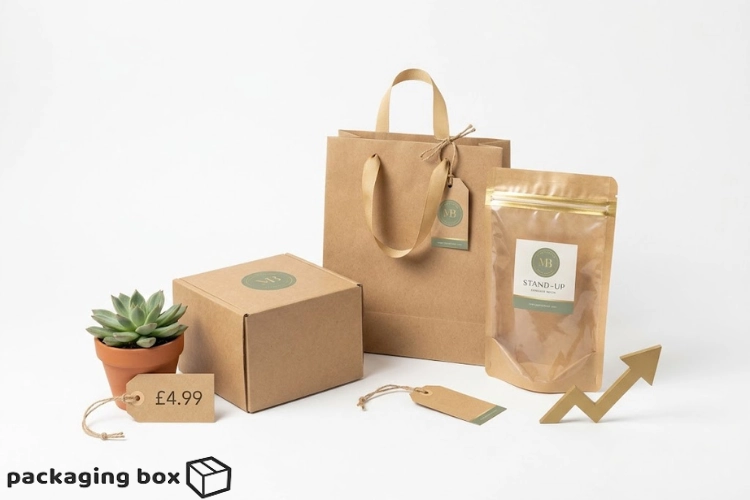
Kraft paper is another material worth exploring if your brand leans toward a natural, minimal aesthetic. It is generally cheaper than laminated or glossy alternatives and pairs well with eco-friendly packaging materials trends that customers increasingly expect. Businesses in the food and bakery space have found real success using kraft packaging boxes and pouches as an affordable packaging material that still looks premium on shelf.
Choosing standardized dimensions instead of custom-cut sizes for every product line also helps. A quick look at available corrugated box sizes in Pakistan can help you pick a handful of versatile sizes that fit most of your product range, reducing the need for custom tooling costs.
🎨 Simplify Design Without Losing Brand Appeal
It is easy to assume that impressive packaging always means intricate printing, foil stamping, or multiple layers of coating. In reality, minimalist packaging design often performs just as well — sometimes better — because it lets the product and brand message stand out without visual clutter. Reducing the number of print colors, limiting foil stamping to key areas, or opting for single-side printing instead of full coverage can lower production costs considerably without making the packaging look cheap.
Many successful brands have shifted toward a “less but better” approach, where a clean logo, one accent color, and quality material communicate professionalism more effectively than an overdesigned box. If you are exploring fresh design directions, this collection of custom packaging box ideas shows how simplicity and cost efficiency can work together rather than against each other.
Custom packaging design does not need to be abandoned entirely — it just needs to be applied strategically. Save the elaborate finishes for flagship products or gift packaging, and use simpler, standardized designs for everyday inventory. This selective approach protects your brand packaging identity while keeping day-to-day costs manageable.
🤝 Negotiate Smarter With Your Packaging Supplier
Supplier relationships play a bigger role in cost control than most business owners realize. Many companies stick with the same vendor out of habit, even when better pricing or terms are available elsewhere. Taking time for a proper packaging vendor comparison — checking material quality, lead times, minimum order quantities, and pricing tiers — often uncovers savings that a single conversation with your current supplier will not.
Negotiation is not just about asking for a lower price; it is about understanding how suppliers structure their costs. Ordering in slightly larger batches, committing to a longer-term relationship, or simplifying your specifications can all give you leverage. This guide on choosing the right packaging supplier covers practical questions to ask before signing any agreement.
If you are sourcing in bulk, reviewing wholesale packaging options in Pakistan is worth the extra research time, since wholesale pricing structures can differ significantly between suppliers even for identical materials. And if minimum order quantities have been holding you back from bulk savings, this breakdown of bulk packaging orders and minimum quantity costs explains how to calculate the true break-even point for larger purchases.
📐 Right-Size Your Packaging for Real Savings
Oversized packaging is one of the most overlooked cost leaks in any business. Not only does it waste material, but it also increases shipping charges since many couriers calculate fees based on box dimensions rather than actual product weight. Switching to standardized box sizes that closely match your product dimensions can noticeably lower both material and shipping expenses.
This principle applies just as much to specialty items as it does to standard retail goods. Bakery businesses, for example, often use one oversized cake box for every order regardless of the cake’s actual size, which wastes both material and shelf space during storage. This guide on choosing the right cake box size shows how matching box dimensions to product size protects the product while cutting unnecessary spend.
Void fill is another area ripe for optimization. Instead of relying on excessive bubble wrap or loose fill, many businesses are switching to snug-fit inserts or lightweight alternatives that reduce both material cost and shipping weight — a smart move toward better shipping cost optimization overall.
♻️ Sustainable Packaging on a Budget
There is a common misconception that sustainable packaging automatically costs more. In practice, sustainable packaging on a budget is achievable once you understand which eco-friendly materials genuinely offer long-term savings versus which ones simply carry a “green” price premium without real benefit.
Recyclable kraft materials, for instance, are often cheaper than laminated plastic pouches while also appealing to environmentally conscious customers — a win on both the cost and brand perception fronts. Exploring options like eco-friendly custom packaging boxes can reveal materials that align with sustainability goals without inflating your budget.
Reducing packaging layers is another underrated sustainability win that doubles as a cost-saving measure. Fewer layers mean less material, less packaging waste, and lower shipping weight — three benefits stacked into a single decision. For businesses wanting a deeper dive into sustainable material choices, this resource on sustainable packaging ideas remains a solid reference point even as trends evolve.
🚚 Optimize Packaging for E-Commerce and Shipping Efficiency
E-commerce businesses face a unique packaging challenge: the box has to protect the product through multiple handling stages while staying light enough to avoid excessive shipping fees. Achieving strong e-commerce packaging efficiency usually comes down to selecting the right box weight class, minimizing void space, and choosing materials that balance durability with cost.
If your business ships frequently, this complete guide to e-commerce packaging in Pakistan walks through practical considerations for first-time sellers trying to balance protection and budget. For businesses specifically weighing box types for online orders, this comparison of the best corrugated box choice for e-commerce is a useful next step.
Damage-free shipping is not just a cost issue — it directly affects customer satisfaction and return rates. Investing slightly more in structural integrity, such as reinforced corners or double-wall corrugation for heavier items, often pays for itself by reducing costly returns and replacements. This guide on strengthening corrugated boxes for heavy items shows how targeted reinforcement beats blanket upgrades in cost efficiency.
🤖 Smarter Inventory Planning and Packaging Automation
Packaging automation is not only for large manufacturing operations. Even small businesses benefit from adopting just-in-time inventory practices for packaging supplies, ordering only what is needed for upcoming production cycles rather than stockpiling materials that tie up cash flow and risk damage from long storage.
Reviewing your ordering patterns every few months helps identify seasonal spikes and slow periods, allowing you to negotiate better bulk pricing around predictable demand cycles rather than reacting to shortages. Businesses that treat packaging as a strategic investment rather than an afterthought consistently report stronger packaging ROI over time. This perspective is explored further in this piece on investing in packaging for small businesses, which highlights how proactive planning beats reactive purchasing.
💡 Maintaining Quality Control While Cutting Costs
Cutting costs should never come at the expense of product protection or brand image — that is the entire point of this guide. Maintaining strong quality control in packaging while reducing spend requires setting clear minimum standards before making any cost cuts. Decide which elements are non-negotiable, such as adequate cushioning for fragile items or moisture protection for food products, and treat everything else as flexible.
Testing new materials or box designs on a small batch before rolling them out company-wide is one of the smartest habits any business can build. This approach catches quality issues early, before they affect a large volume of orders or damage customer trust. For a broader look at refining your overall approach, this guide on improving your packaging process offers practical steps that pair well with the cost-saving strategies covered here.
✅ Final Thoughts
Cutting packaging costs without losing quality is not about finding one magic fix — it is about layering several smart decisions together: choosing the right materials, right-sizing your boxes, negotiating better supplier terms, simplifying design where it counts, and planning inventory more intelligently. Each adjustment on its own might seem small, but combined, they add up to meaningful savings that protect your margins without compromising the customer experience.
The businesses that succeed at reducing packaging costs long-term are the ones that treat packaging as an ongoing optimization process rather than a one-time decision. Revisit your strategy regularly, stay open to new materials, and never stop testing what works best for your specific products.
If you are ready to explore cost-effective packaging materials tailored to your business needs, browse the full range of options in the PackagingBox.pk shop or check out more practical guides on the packaging blog to keep refining your strategy.
❓ Frequently Asked Questions
1. How can small businesses reduce packaging costs quickly? Small businesses can see fast savings by right-sizing boxes, switching to standardized dimensions, and ordering materials in slightly larger batches to access bulk pricing.
2. Does cheaper packaging always mean lower quality? No. Choosing the right material for the specific job — rather than defaulting to premium options everywhere — often maintains quality while lowering cost.
3. What is the most cost-effective packaging material? Corrugated cardboard and kraft paper are generally the most cost-effective options, offering strong protection and a professional look at a lower price than plastic or heavily laminated alternatives.
4. How does box size affect shipping costs? Many couriers charge based on dimensional weight, so oversized boxes increase shipping fees even if the product itself is lightweight. Right-sizing packaging reduces this cost significantly.
5. Is sustainable packaging more expensive? Not necessarily. Many recyclable and kraft-based materials cost the same or less than conventional options while also appealing to environmentally conscious customers.






💬 0 Comments
Leave a Comment