
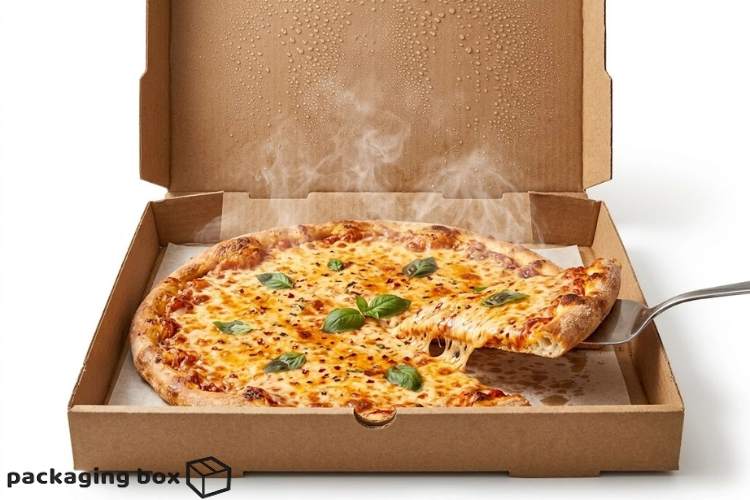

You open the lid, excited for that first cheesy bite, and instead you find a limp, damp crust sticking to the cardboard. If you have ever wondered why does pizza get soggy in the box, you are not alone — this is one of the most common complaints among pizza lovers and restaurant owners alike. The truth is, it is not the pizza’s fault. It is basic science, packaging design, and a few avoidable mistakes working against your favorite meal.
In this article, we will unpack the real reasons behind soggy pizza bottoms, look at how steam, grease, and cardboard interact, and — most importantly — walk through practical, tested ways to keep your pizza crispy from the oven to your plate. Whether you are a home cook packing leftovers or a restaurant owner shipping dozens of pizzas daily, this guide has something useful for you.
🔬 The Science Behind a Soggy Pizza Box
Pizza soggy bottom problems almost always trace back to one culprit: moisture that has nowhere to escape. When a hot pizza comes out of the oven, it is releasing steam continuously — from the cheese, the sauce, and even the dough itself. If that steam gets trapped inside a sealed box, it condenses on the lid and drips right back down onto the crust.
This is essentially the same principle as sweating on a cold drink glass, except here the roles are reversed — hot food, cool surrounding air, and a closed environment create the perfect storm for pizza box condensation. The cardboard, which is naturally absorbent, soaks up this moisture along with grease from the cheese and toppings, and within minutes the crust that was crispy in the kitchen turns chewy and damp by the time it reaches you.
Grease absorption in a pizza box plays a supporting role too. Cardboard is porous by design, which is great for insulation but terrible for holding in oil-based moisture. Once the base layer of the box absorbs enough grease, it weakens structurally and speeds up the sogginess process even further.
📦 Why Is My Pizza Soggy – The Real Culprits
If you have asked yourself “why is my pizza soggy” more than once, chances are it comes down to a combination of factors rather than a single mistake. Let’s break down the most common causes one at a time.
Steam Trapped With Nowhere to Go
Most standard pizza boxes are designed as solid, sealed rectangles. While this looks neat and keeps the pizza secure during delivery, it also traps steam inside without any real ventilation. Steam trapped in a pizza box has nowhere to escape, so it simply recirculates and settles back onto the crust and toppings.
Cardboard Box Moisture Absorption
Cardboard is a wonderfully practical material — lightweight, cheap, and biodegradable — but it is also highly absorbent. Cardboard box moisture builds up gradually as steam and grease seep into the fibers. The longer the pizza sits inside, the more the box itself becomes part of the problem rather than the solution.
Delivery Time and Distance
Pizza delivery packaging faces a tough job. The longer a pizza travels, the more time steam has to accumulate inside the box. A ten-minute delivery might barely affect crust texture, but a thirty-minute ride across the city gives moisture plenty of time to do its damage.
Poor Box Design
Not all pizza boxes are created equal. Pizza box design flaws — such as missing airflow gaps, low-quality cardboard, or improperly sized boxes — significantly increase the odds of a soggy bottom. This is one of the most overlooked takeout food packaging problems, and it is exactly why smart packaging choices matter so much for restaurants.
🧀 How Cheese, Sauce, and Crust Interact With Moisture
The interaction between cheese and sauce moisture and the crust itself is worth understanding, because it explains why some pizzas get soggier than others. A pizza loaded with extra cheese, watery vegetables, or a thick layer of sauce naturally releases more steam than a simple margherita. That excess moisture has to go somewhere, and if the box does not allow it to escape, it lands directly on the pizza crust texture, softening it from below.
This is also why thin-crust pizzas tend to suffer more visibly than deep-dish varieties — there is simply less dough mass to absorb the moisture before it becomes noticeably soggy. Restaurants dealing with this issue often see similar patterns in other fast food items, which is part of why solutions like burger packaging that resists sogginess have become such a priority across Pakistan’s food packaging industry.
🛠️ How to Fix Soggy Pizza – Practical Solutions
Now that we understand the “why,” let’s talk about the “how.” Fixing a soggy pizza situation does not require expensive equipment or complicated techniques — just a few smart adjustments to how the pizza is packed, stored, and reheated.
The single most effective fix is improving air circulation inside the box. Many modern pizza boxes now come with built-in ventilation holes or slightly raised lids specifically to let steam escape rather than trap it. If you are ordering custom packaging for your business, choosing a ventilated pizza box design can make a dramatic difference in customer satisfaction and repeat orders.
Another simple trick — one that pizzerias have used for decades — is placing a small stand or saver inside the box. A pizza table saver lifts the pizza slightly and prevents the lid from resting directly on the toppings during transit, which reduces the amount of condensation that drips back onto the crust.
For home use, cracking the box lid open slightly during the first few minutes after delivery lets trapped steam escape before it turns into liquid moisture. It feels counterintuitive to open a hot pizza box before eating, but this small habit alone prevents a significant amount of sogginess.
❄️ Prevent Soggy Pizza Box – Tips for Restaurants and Home Cooks
Preventing the problem in the first place is always easier than fixing it after the fact. Here are the most effective, field-tested approaches used by both professional kitchens and home cooks:
- Use a corrugated cardboard box with double-wall strength, which insulates better and manages moisture more effectively than thin, single-layer boxes.
- Choose boxes with built-in ventilation holes on the sides or top to allow steam to escape naturally.
- Avoid stacking multiple pizzas directly on top of each other, since this traps heat and moisture between layers.
- Let the pizza rest for 60 to 90 seconds before closing the lid completely, giving initial steam a chance to dissipate.
- Pack pizzas base-down on a slightly perforated liner if long-distance delivery is involved.
These small adjustments target the exact conditions that cause pizza box soggy bottom issues, and for restaurants specifically, investing in quality packaging pays off through better reviews and repeat customers. If you are exploring broader packaging upgrades, our guide on custom packaging boxes and eco-friendly options in Pakistan covers several practical directions worth considering.
🔥 How to Reheat Pizza Without It Getting Soggy
Leftover pizza deserves better than a microwave zap that turns it rubbery. If you want to know how to reheat pizza without it getting soggy, the oven and the skillet are your best friends, and the microwave should be your last resort.
Reheating pizza in oven vs microwave comes down to how each method handles moisture. A microwave heats food quickly using water molecules, which means it actually adds moisture back into the crust rather than removing it. An oven, on the other hand, uses dry heat that recrisps the base while warming the toppings evenly.
For best results, preheat your oven to around 375°F (190°C), place the pizza slices directly on the rack or a wire tray, and bake for 8 to 10 minutes. If you are short on time, a stovetop skillet on medium-low heat with a lid works almost as well — the pan crisps the bottom while the lid gently warms the top without trapping excess steam.
| Reheating Method | Crust Result | Best For |
|---|---|---|
| Oven (375°F, 8–10 min) | Crispy, evenly warmed | Best overall results |
| Skillet with lid | Crispy base, soft top | Quick reheating |
| Microwave | Soft, sometimes rubbery | Only when time is extremely limited |
| Air fryer (350°F, 4–5 min) | Very crispy | Small portions, fast results |
As the table shows, avoiding the microwave whenever possible is one of the simplest ways to preserve that fresh-from-the-oven texture.
🧠 The Role of Packaging Material and Airflow
Beyond technique, the packaging material itself plays a bigger role than most people realize. Pizza box material — typically corrugated cardboard — is chosen specifically because it balances insulation, cost, and biodegradability. However, not every cardboard grade performs the same way under heat and moisture.
Higher-quality corrugated boxes with better fluting create natural air pockets that help regulate temperature and reduce condensation buildup. This is similar to the reasoning behind choosing the right corrugated box for shipping, where structural quality directly affects how well contents are protected during transit.
Pizza box airflow design has also evolved significantly over the past decade. Many packaging manufacturers now offer boxes with side vents, perforated tops, or even collapsible sections that improve steam release without compromising insulation. If you run a food business and want packaging that actually solves this problem rather than masking it, browsing options like the customizable pizza box range or the kraft pizza box collection is a smart place to start.
🥡 Alternative Pizza Packaging Solutions Worth Considering
While the traditional cardboard box remains the industry standard, alternative pizza packaging solutions have emerged to tackle sogginess more directly. Some newer designs use a combination of materials — cardboard exteriors with grease-resistant inner liners — that prevent oil absorption while still allowing steam to escape through strategic venting.
Reusable or insulated bags are another growing trend, particularly for delivery services covering longer distances. These bags maintain temperature more consistently than a single cardboard box and often include ventilation panels specifically designed to manage humidity and pizza freshness during transit.
For businesses handling high delivery volumes, it is worth comparing packaging performance the same way you would compare meat tray options for a butcher shop or disposable food packaging for cloud kitchens — the right packaging choice directly impacts customer satisfaction and repeat business.
✅ Quick Checklist: Keeping Your Pizza Crust Crispy
Before we wrap up, here is a fast reference checklist covering the crispy pizza crust tips we have discussed throughout this article:
- Choose a ventilated, double-wall corrugated box whenever possible.
- Let the pizza rest briefly before sealing the lid completely.
- Avoid stacking multiple pizzas in a single box during transport.
- Reheat using an oven, skillet, or air fryer instead of a microwave.
- Ask your local pizzeria if they offer vented packaging for delivery orders.
Following even two or three of these steps consistently makes a noticeable difference in crust quality, whether you are enjoying pizza fresh from delivery or reheating leftovers the next day.
🎯 Final Thoughts
Soggy pizza is frustrating, but as we have seen, it is almost entirely preventable once you understand the science behind it. Trapped steam, absorbent cardboard, and grease buildup are the real enemies here — not the pizza itself, and certainly not your appetite. By choosing better ventilated packaging, allowing steam to escape naturally, and reheating with dry heat methods instead of the microwave, you can enjoy a crispy, satisfying crust every single time.
For restaurant owners and cloud kitchens, this is more than just a texture issue — it directly affects customer reviews, repeat orders, and brand reputation. Investing in quality, well-designed pizza boxes is a small change that delivers a noticeably better experience for every customer who opens that lid expecting perfection.
If you are ready to upgrade your packaging and eliminate soggy pizza complaints for good, explore our full range of pizza boxes and food packaging solutions designed specifically for freshness, durability, and crust-friendly airflow.
❓ Frequently Asked Questions
Q1: Why does pizza get soggy in the box even when it’s fresh from the oven? Fresh pizza releases steam continuously after baking. If the box is sealed without ventilation, that steam condenses on the lid and drips back onto the crust, causing sogginess even within minutes.
Q2: How to fix soggy pizza once it has already happened? Reheat it in an oven or skillet rather than a microwave. Dry heat recrisps the crust, while microwaves add moisture back into the dough, making the problem worse.
Q3: Does pizza box design really affect crust texture? Yes, significantly. Boxes with ventilation holes or raised lids allow steam to escape, while sealed, low-quality boxes trap moisture and accelerate sogginess.
Q4: How long can pizza sit in the box before it gets soggy? Generally, noticeable sogginess begins within 15 to 20 minutes in a sealed box, though this varies based on toppings, box quality, and ambient temperature.
Q5: What is the best way to store leftover pizza to avoid sogginess? Store slices in an airtight container lined with a paper towel to absorb excess moisture, and refrigerate promptly rather than leaving them in the original box overnight.










💬 0 Comments
Leave a Comment