
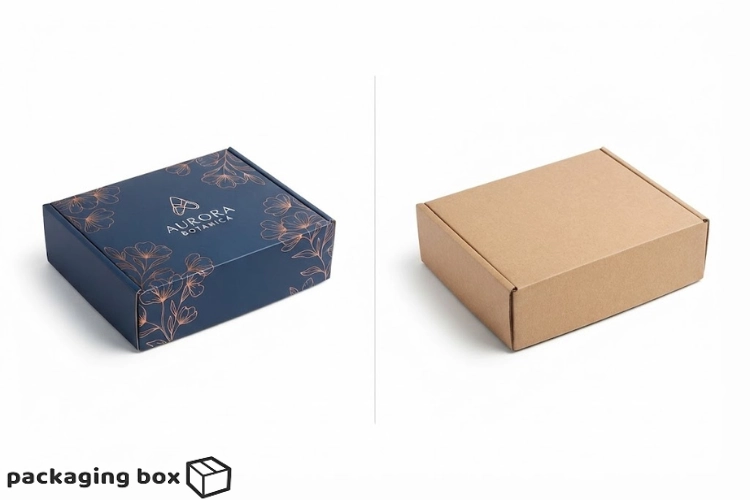

If you have ever stood in your storeroom staring at two quotes — one for plain stock boxes and one for fully branded custom boxes — you already know the dilemma this blog is about to solve. Custom Packaging vs Ready-Made Packaging is one of the most common decisions every growing business faces, whether you’re running a home bakery, a cosmetics brand, or an e-commerce store shipping products across Pakistan. On the surface, ready-made packaging looks like the safer, cheaper choice. But once you factor in branding, customer experience, and long-term ROI, the picture often changes dramatically.
This blog breaks down the real differences between the two options, using practical examples from Pakistani businesses, so you can decide which route actually gives you more value — not just in rupees, but in brand growth, customer loyalty, and repeat sales.
🎁 What Is Custom Packaging?
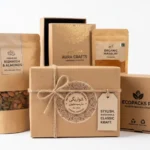
Custom packaging refers to boxes, pouches, or containers that are designed and manufactured according to your brand’s exact specifications — size, shape, material, printing, and finishing. It’s not just about slapping a logo on a box; it’s about creating a complete brand identity packaging experience that customers remember. Custom boxes can include your logo, color palette, tagline, and even custom inserts that hold products securely in place during shipping.
Businesses that invest in custom packaging boxes usually do so because they understand that packaging is no longer just a container — it’s a marketing tool. A well-designed unboxing experience can turn a first-time buyer into a loyal customer, and in competitive markets like food, cosmetics, and e-commerce, that first impression matters more than most business owners realize.
If you’re still unsure whether this route fits your business model, this guide on what custom packaging is and whether it’s right for your business walks through the decision-making process in more detail.
📋 What Is Ready-Made Packaging?
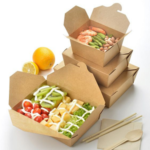
Ready-made packaging, sometimes called stock or off-the-shelf packaging, is exactly what it sounds like — pre-manufactured boxes, bags, or containers that are already sized and styled, ready to ship out immediately. There’s no design phase, no custom die-cutting, and usually no minimum order quantity (MOQ) restrictions holding you back.
This option works well for businesses that are just starting out, testing a new product line, or operating in industries where speed matters more than branding — think small-batch sellers, seasonal pop-ups, or businesses shipping low volumes. The appeal is obvious: lower upfront cost, faster turnaround, and no design headaches. But as we’ll explore below, “cheaper” and “better value” aren’t always the same thing.
⚖️ Custom Packaging vs Ready-Made Packaging – Key Differences
Before diving deeper into cost and branding, here’s a side-by-side snapshot that makes the comparison easier to digest at a glance.
| Factor | Custom Packaging | Ready-Made Packaging |
|---|---|---|
| Branding | Strong brand identity, logo printing, custom colors | Generic, no brand recognition |
| Upfront Cost | Higher initial investment | Lower initial cost |
| Lead Time | Longer production time | Available immediately |
| MOQ | Often requires bulk orders | Usually no minimum quantity |
| Customer Experience | Memorable unboxing experience | Basic, functional only |
| Scalability | Ideal for growing brands | Better for testing/small runs |
| Long-Term ROI | Higher due to brand loyalty | Lower, repeat cost with no branding gain |
Looking at this table, it’s clear that neither option is universally “better” — it depends entirely on where your business currently stands and where you’re trying to go.
💰 Cost Comparison: Which Is Cheaper?
This is where most business owners get stuck, and understandably so. On paper, ready-made packaging almost always wins the packaging cost comparison battle. A pack of generic corrugated boxes or plain pouches will cost less per unit than a custom-printed equivalent, especially in small quantities. If you’re a startup with tight cash flow, this immediate savings can feel like the responsible choice.
However, cost-effective packaging isn’t just about the price tag on the box — it’s about what that box does for your business afterward. Custom packaging often pays for itself through improved customer retention, higher perceived product value, and fewer returns due to better-fitted, protective designs. Many businesses that scale up eventually realize that the money saved on stock boxes gets spent multiple times over on marketing efforts trying to build the same brand recognition that custom packaging would have delivered from day one.
For businesses working with tight budgets who still want branding benefits, bulk ordering is usually the smartest middle ground. This detailed guide on bulk packaging orders and minimum quantity costs explains how ordering in larger volumes can bring custom packaging costs down close to ready-made pricing, making the ROI question much easier to answer.
🎯 Brand Identity & Customer Experience
Here’s where custom packaging truly separates itself from the pack. Every time a customer receives a package, that box is their first physical touchpoint with your brand — before they even open it. A plain brown box says “I’m a product.” A custom box with your logo, brand colors, and a thoughtful unboxing layout says “I’m a brand you can trust.”
This matters even more in Pakistan’s booming e-commerce and food delivery space, where competition is fierce and customer memory is short. Brands offering eco-friendly custom packaging boxes or elevated design choices tend to generate more organic word-of-mouth simply because customers want to share their unboxing moment on social media — something a generic ready-made box will never inspire.
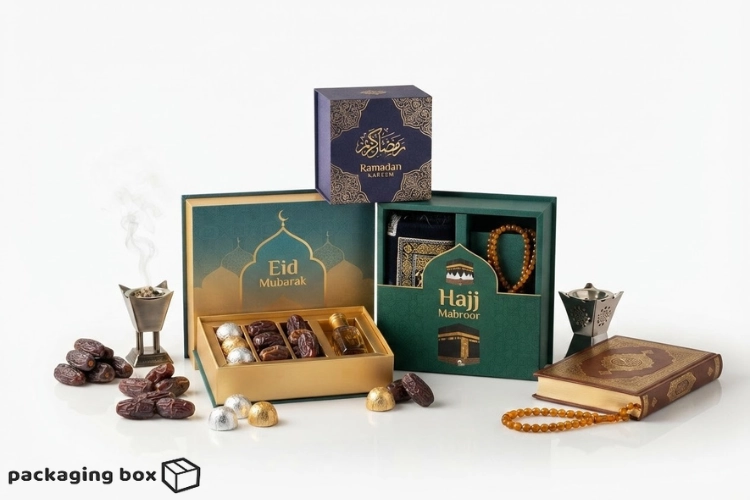
Consider a small skincare brand shipping products in a plain white box versus one shipping in a custom box with matte finish, foil-stamped logo, and a personalized thank-you card. Both boxes protect the product equally well, but only one builds brand loyalty through packaging and turns a one-time buyer into a repeat customer. This is precisely the kind of value that doesn’t show up on a cost sheet but shows up clearly in your repeat purchase rate.
If you want deeper inspiration on execution, this collection of custom packaging box ideas for Pakistani businesses is a great practical starting point.
🌱 Sustainability Considerations
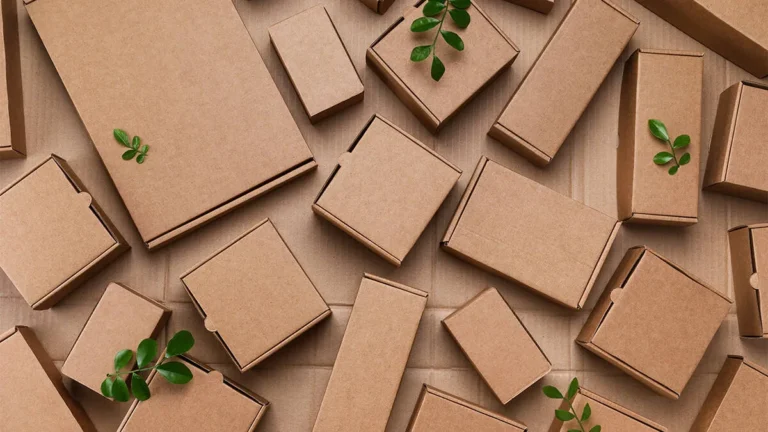
Sustainability in packaging has moved from being a “nice-to-have” to a genuine purchasing factor, especially among younger, urban consumers. Ready-made packaging options are often limited to standard materials, with little flexibility to switch to biodegradable or recyclable alternatives. Custom packaging, on the other hand, gives you full control over material sourcing — allowing you to choose kraft paper, corrugated board, or compostable materials that align with your brand values.
Businesses that highlight eco-conscious choices tend to build stronger emotional connections with customers who actively look for sustainable brands. This isn’t just marketing spin — it’s a genuine differentiator in a market where most competitors still default to plain, non-recyclable stock packaging.
🚀 Scalability & Business Growth
Packaging scalability is another area where the decision hinges heavily on your growth stage. If you’re running a home-based business shipping five to ten orders a week, committing to large custom packaging orders may tie up capital unnecessarily. Ready-made packaging gives you the flexibility to scale slowly without overcommitting.
But once order volume increases — say you’re now shipping hundreds of units weekly — custom packaging becomes not just beneficial but necessary for maintaining brand consistency across a growing customer base. Many Pakistani entrepreneurs who started with how to start a packaging business in Pakistan style planning eventually transition their own product lines from ready-made to fully custom packaging once demand justifies the investment.
Small business owners often ask when exactly that transition point arrives. There’s no universal answer, but a good rule of thumb: once your monthly packaging spend on ready-made boxes approaches what a custom order would cost at scale, it’s time to make the switch. This guide on investing in packaging for small businesses offers a more detailed breakdown of that decision point.
🛒 Real-World Examples
Let’s ground this comparison in a few practical scenarios that most business owners will recognize:
- A home bakery shipping cakes locally might start with plain cake boxes, but as orders grow and social media exposure increases, switching to branded boxes with a clear window and printed logo dramatically improves how the product looks in customer photos — directly boosting referral sales.
- An e-commerce clothing store initially using stock corrugated boxes for shipping might notice customers forget the brand name after just one purchase. Switching to custom-printed boxes with the store’s logo and a small discount card inside creates a stronger recall effect and increases repeat purchase rates.
- A cosmetics brand selling through retail stores often finds ready-made packaging insufficient for showcasing premium positioning. Custom boxes with foil stamping or soft-touch lamination help justify a higher price point on the shelf compared to competitors using generic packaging.
These examples reinforce a simple truth: the “better” option always depends on your current business stage, product type, and customer expectations. For businesses shipping products directly to buyers, this complete first-time buyer’s guide to e-commerce packaging in Pakistan is particularly useful for understanding what customers actually notice when a parcel arrives at their doorstep.
🧭 How to Choose the Right Option for Your Business
Rather than treating this as an all-or-nothing decision, most successful businesses actually use a hybrid approach — starting with ready-made packaging for testing phases, then gradually shifting to custom packaging once product-market fit is confirmed. A few practical questions can help clarify where you currently stand:
- Is your monthly order volume large enough to justify custom minimum order quantities?
- Does your product category rely heavily on visual branding (cosmetics, food, gifting) or is it purely functional (industrial goods, bulk supplies)?
- Are you currently losing repeat customers who don’t remember your brand after their first purchase?
If most of these answers point toward growth and brand-building, custom packaging is almost certainly the better long-term investment. If you’re still validating your product or operating on razor-thin margins, ready-made packaging remains a perfectly reasonable starting point. Choosing the right supplier also plays a huge role here — this resource on tips for choosing the right packaging supplier covers what to look for regardless of which packaging route you choose.
For businesses ready to explore wholesale options that bridge both worlds, browsing wholesale packaging options in Pakistan can help you find semi-custom solutions that offer some branding flexibility without the full custom price tag.
✅ Final Verdict: Which Gives More Value?
So, coming back to the core question — Custom Packaging vs Ready-Made Packaging, which one actually wins? The honest answer is that value isn’t measured purely in cost per unit; it’s measured in what that packaging does for your brand over time. Ready-made packaging offers speed, flexibility, and lower upfront costs, making it ideal for early-stage businesses or low-volume sellers. Custom packaging, meanwhile, delivers stronger brand identity, better customer experience, and measurably higher long-term ROI for businesses that are ready to scale.
If your goal is simply to protect and ship a product, ready-made packaging does the job perfectly well. But if your goal is to build a recognizable, memorable brand that customers return to again and again, custom packaging isn’t just the better option — it’s the smarter investment. Businesses exploring custom solutions for the first time can browse practical examples and product options directly on the packaging solutions page to see what fits their specific product category.
📞 Ready to Upgrade Your Packaging?
Whether you’re leaning toward custom branding or need reliable ready-made options to get started quickly, exploring real product samples makes the decision much easier than reading specs alone. Browse the full range of custom and ready-made packaging solutions to compare materials, sizes, and pricing side by side — and see firsthand which option fits your brand’s next chapter.
❓ Frequently Asked Questions
Q1: Is custom packaging always more expensive than ready-made packaging? Not necessarily. While the per-unit cost is often higher for small orders, bulk custom orders can bring pricing much closer to ready-made options, especially when factoring in the marketing value gained from branding.
Q2: What is the minimum order quantity for custom packaging? MOQ varies by supplier and material type, but many manufacturers now offer flexible minimums to accommodate small businesses testing custom designs for the first time.
Q3: Can ready-made packaging be customized later with printing or labels? Yes, many businesses use ready-made boxes with custom stickers or stamped logos as a budget-friendly middle ground before committing to fully custom packaging.
Q4: Which option is better for e-commerce businesses? Custom packaging generally performs better for e-commerce since unboxing experience directly influences customer reviews, repeat purchases, and social media shares.
Q5: How long does custom packaging production usually take? Lead time depends on design complexity and order volume, but it typically takes longer than ready-made packaging, which is available for immediate dispatch.


💬 0 Comments
Leave a Comment