
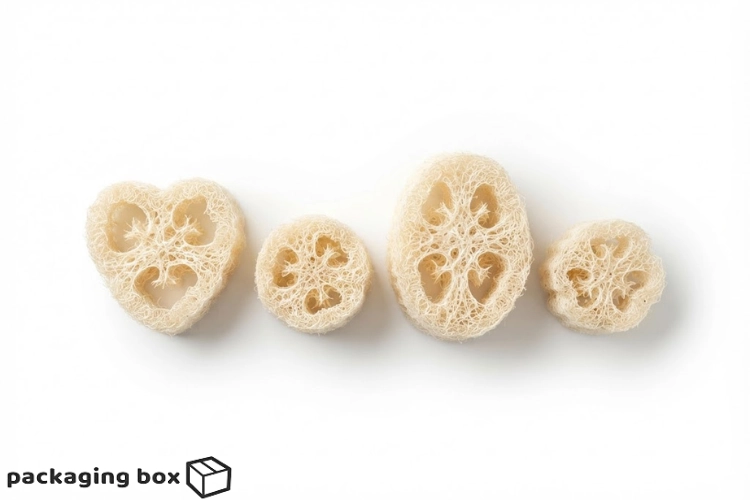

The Pakistan natural loofah industry has quietly transformed from a backyard farming tradition into one of the country’s most promising eco-export sectors. What used to be a humble vine growing along village fences is now finding its way into premium skincare aisles across Europe, the Middle East, and North America. This shift isn’t accidental — it’s the result of rising global demand for biodegradable, plastic-free personal care products, combined with Pakistan’s ideal climate, low-cost farming infrastructure, and growing export awareness among local entrepreneurs. In this article, we’ll unpack exactly why this industry is expanding so rapidly, how the cultivation and processing journey works, and what the future holds for farmers, manufacturers, and buyers alike.
🌱 What Is Natural Loofah and Why Does It Matter Today
Natural loofah — scientifically known as Luffa cylindrica — is a fibrous vegetable sponge that grows from a vine closely related to cucumbers and gourds. Once dried and peeled, its skeletal structure becomes a surprisingly effective exfoliating tool, widely used in bathing, skincare, and even household cleaning. What makes this plant special in today’s market isn’t just its texture; it’s the story behind it.
As consumers worldwide shift away from plastic-based bath sponges, loofah has stepped in as a genuine natural sponge alternative. It’s fully biodegradable, requires minimal processing chemicals, and decomposes naturally within weeks of disposal — unlike synthetic sponges that linger in landfills for decades. This single trait has turned a once-overlooked crop into a sought-after sustainable skincare product, and Pakistan happens to sit right in the sweet spot of climate and soil conditions needed to grow it at scale.
🇵🇰 The Rise of Pakistan’s Natural Loofah Industry
Over the past few years, the growing loofah industry Pakistan has witnessed has been nothing short of remarkable. Provinces like Punjab and Sindh, with their long hot summers and fertile alluvial soil, provide exactly the kind of environment loofah vines thrive in. Farmers who previously grew seasonal vegetables have started dedicating portions of their land to loofah cultivation, often as a secondary crop that fits neatly into their existing rotation cycles.
What’s driving this shift isn’t just favorable weather. International buyers — particularly from the US, UK, Germany, and Gulf countries — have been actively seeking organic loofah suppliers Pakistan can offer, largely because Pakistani loofah tends to have a denser fiber structure and a more consistent shape compared to supply from some competing regions. This reputation has slowly built momentum, encouraging more cooperatives and small-scale exporters to enter the trade. For many rural households, loofah farming has become a genuine rural farming income source, supplementing seasonal earnings without requiring heavy machinery or expensive inputs.
🌾 How Loofah Farming Works in Pakistan
Understanding why this industry is scaling up so quickly requires a look at the actual cultivation process — because the simplicity and low barrier to entry are a huge part of the appeal.
Climate, Soil, and the Loofah Seed Sowing Season
Loofah vines need warm temperatures, well-drained soil, and a steady but moderate water supply — conditions that much of Punjab and parts of Sindh naturally provide. The loofah seed sowing season typically begins in early spring, around February to March, once the risk of frost has passed. Farmers plant seeds directly into prepared beds or raised rows, often alongside trellises or fences that give the climbing vines room to spread. Within four to five months, the fruit matures and is ready for the next critical stage: drying.
The Loofah Drying Process
This is where raw harvest turns into a usable sponge. Once the gourd matures and dries naturally on the vine (or is harvested and sun-dried), the outer skin is peeled away to reveal the fibrous skeleton underneath. The loofah drying process also involves soaking the gourd briefly to loosen the outer layer, followed by thorough sun-drying to prevent mold and preserve fiber strength. This step is labor-intensive but requires no industrial equipment, which is exactly why it remains accessible to small farming households rather than being limited to large commercial operations.
For anyone genuinely curious about getting started, a basic loofah plant farming guide would typically emphasize three things: consistent watering during the growth phase, proper trellising to keep the fruit off the ground, and patience during the drying stage — rushing this step is the most common reason for lower-quality yields.
📈 Why Is Loofah Farming Growing So Fast in Pakistan
There’s no single reason behind this surge — it’s a combination of economic, environmental, and market-driven factors working together. If you’re wondering why loofah farming is growing in Pakistan, the answer lies in how neatly these factors align:
- Low input cost: Loofah doesn’t require expensive fertilizers or pesticides, making it accessible even for small landholders.
- Short growth cycle: Compared to many cash crops, loofah matures relatively quickly, allowing farmers to see returns within a single season.
- Rising global eco-consciousness: Buyers abroad are actively replacing plastic sponges with biodegradable alternatives, fueling consistent export demand.
- Government and NGO support: Several agricultural initiatives have started promoting loofah as an alternative cash crop for water-stressed regions, since it requires less irrigation than many traditional crops.
Together, these loofah industry growth factors have created a feedback loop — more farmers growing loofah means more consistent supply, which in turn attracts more international buyers, which then encourages even more farmers to join in.
🌍 Global Demand and Pakistan’s Role in the Loofah Export Market
The global demand for natural loofah worldwide has grown steadily as the beauty and wellness industry pivots toward sustainable packaging and plastic-free products. Spas, boutique skincare brands, and even large retail chains in Europe and North America have started stocking natural loofah sponges as part of their “clean beauty” product lines.
Pakistan’s role in global loofah supply has grown alongside this trend, with the country now positioned as one of the more reliable sourcing hubs — particularly for buyers looking for consistent quality at competitive pricing. The Pakistan loofah export sector has benefited from improved post-harvest handling, better grading practices, and a growing number of exporters who understand international packaging and labeling requirements. This loofah export market growth has also encouraged diversification — rather than exporting raw dried loofah alone, several Pakistani manufacturers now offer pre-cut, shaped, and branded loofah products ready for retail shelves.
This is also where presentation starts to matter just as much as the product itself. Export buyers increasingly expect loofah products to arrive in clean, well-labeled, moisture-resistant packaging — a detail that smaller producers sometimes overlook. Businesses exploring this space often benefit from reviewing eco-friendly packaging solutions designed specifically for natural, biodegradable products, since the right packaging reinforces the “sustainable” branding that buyers are paying a premium for in the first place.
🏭 From Farm to Sponge: Loofah Sponge Production in Pakistan
Once the raw loofah is dried and cleaned, it enters the processing stage, where loofah sponge production Pakistan facilities trim, shape, and sometimes bleach or dye the fiber for cosmetic appeal. Smaller workshops often cut the gourd into round or oval scrubbing pads, while larger facilities process it into fully packaged bath sponges ready for retail.
This stage is where natural loofah farming business owners often see the biggest jump in profit margin — raw dried loofah sells for a fraction of what a finished, packaged sponge commands in retail markets abroad. It’s a classic example of value-added processing turning a modest agricultural product into a premium lifestyle item. Several Pakistan loofah manufacturers have started investing in simple cutting and shaping tools to produce consistent shapes — hearts, ovals, rounds, and teardrops — that appeal directly to retail buyers looking for giftable, aesthetically pleasing packaging.
If you’re exploring finished loofah products, options like the natural heart loofah scrubber, oval loofah scrubber, round loofah scrubber, and natural teardrop bath loofah show how far shape-based differentiation has come in this market — a far cry from the plain dried gourds sold just a decade ago.
💼 Is Loofah Farming Profitable in Pakistan?
This is probably the most practical question anyone considering this business will ask — and the honest answer is: it depends heavily on scale and market access, but the potential is genuinely strong. Is loofah farming profitable in Pakistan? For small farmers growing loofah as a secondary crop with minimal input costs, even modest yields sold to local processors can generate meaningful supplemental income. For those who invest further into drying, cutting, and packaging their own finished sponges, margins improve significantly because they’re capturing value at multiple stages rather than selling raw material alone.
Entrepreneurs considering entry into this agricultural export industry Pakistan segment often start small — a single season of farming paired with basic processing — before scaling into dedicated export operations. Those exploring the business side of things might also find it useful to look at general guidance on how to start a packaging business in Pakistan, since packaging knowledge directly overlaps with what’s needed to present loofah products professionally for both local retail and international export.
🧼 Natural Loofah vs Synthetic Sponge – A Side-by-Side Comparison
One of the most searched comparisons in this space is loofah vs synthetic sponge, and understanding the practical differences helps explain why natural loofah continues gaining ground.
| Feature | Natural Loofah Sponge | Synthetic Sponge |
|---|---|---|
| Biodegradability | Fully biodegradable within weeks | Takes decades to decompose |
| Material Source | Plant-based (Luffa cylindrica) | Petroleum-based plastic |
| Exfoliation Texture | Naturally coarse, varies slightly by piece | Uniform but often less effective |
| Environmental Impact | Minimal; compostable waste | Contributes to microplastic pollution |
| Market Perception | Associated with eco-conscious, premium skincare | Seen as budget, mass-market option |
As this table shows, the appeal of a biodegradable bath sponge isn’t just marketing language — it reflects genuine lifecycle advantages that increasingly matter to environmentally conscious consumers worldwide.
📦 Why Packaging Matters for Loofah Exporters and Sellers
It’s easy to focus entirely on farming and processing while overlooking one critical factor: how the final product is presented. Buyers evaluating eco-friendly loofah products Pakistan exports often judge quality partly through packaging — clean labeling, moisture protection, and sustainable materials all signal professionalism and reliability. A beautifully grown and well-dried loofah sponge can lose its appeal entirely if it arrives in flimsy, unbranded plastic wrap.
This is precisely why many small-scale producers transitioning into export markets pair their natural loofah with thoughtfully designed packaging. Exploring the broader natural loofah product range available locally gives a good sense of how shape, finish, and presentation now play a direct role in pricing and buyer perception. Businesses serious about scaling this trade often also review sustainable packaging ideas to ensure their branding matches the eco-friendly promise of the product itself — because inconsistent messaging between product and packaging quickly erodes buyer trust.
🚀 The Future of Pakistan’s Loofah Industry
Looking ahead, there’s strong reason to believe this momentum will continue building rather than fading. Global sustainability regulations are tightening, particularly across the EU, pushing more brands to source genuinely biodegradable materials rather than greenwashed alternatives. Pakistan’s existing agricultural infrastructure, combined with its climate advantage, positions it well to absorb this rising demand.
What will likely determine long-term success isn’t just how much loofah gets grown, but how well local producers adapt to international packaging, branding, and quality-grading standards. Entrepreneurs who treat this as a genuine value-added export business — rather than a raw commodity trade — stand to capture the most benefit as this growing loofah industry Pakistan continues maturing over the next several years.
✅ Final Thoughts
Pakistan’s natural loofah industry represents a quiet but powerful shift — one where a traditional farming practice has found new relevance in a world increasingly concerned about plastic waste and sustainable living. From climate-friendly cultivation and simple drying techniques to export-ready processing and premium packaging, every stage of this value chain is seeing meaningful growth. Whether you’re a farmer considering a new crop, an entrepreneur exploring export opportunities, or simply someone curious about where your bath sponge actually comes from, this industry offers a genuinely encouraging story of agricultural innovation meeting global demand.
If you’re exploring eco-friendly product packaging to complement natural goods like loofah, browse our eco-friendly packaging collection or get in touch to discuss custom solutions tailored to your sustainable brand.
❓ Frequently Asked Questions
Why is loofah farming growing in Pakistan? Loofah farming is growing because of low input costs, a short growth cycle, favorable climate conditions in Punjab and Sindh, and rising global demand for biodegradable sponge alternatives.
Is loofah farming profitable in Pakistan? Yes, especially when farmers move beyond raw material sales into processing and packaging finished loofah sponges, which significantly increases profit margins.
How is natural loofah cultivated and processed? Loofah is grown from seeds sown in early spring, harvested once mature, then peeled, soaked, and sun-dried to reveal the fibrous sponge structure used in skincare products.
What is the difference between natural loofah and synthetic sponges? Natural loofah is biodegradable, plant-based, and compostable, while synthetic sponges are petroleum-based and take decades to break down in landfills.
Where is loofah grown in Pakistan? Loofah is primarily cultivated in Punjab and parts of Sindh, where warm climates and well-drained soil support healthy vine growth.
What is Pakistan’s role in the global loofah export market? Pakistan has become a reliable sourcing hub for natural loofah, known for consistent fiber quality and competitive pricing in international markets.




💬 0 Comments
Leave a Comment