
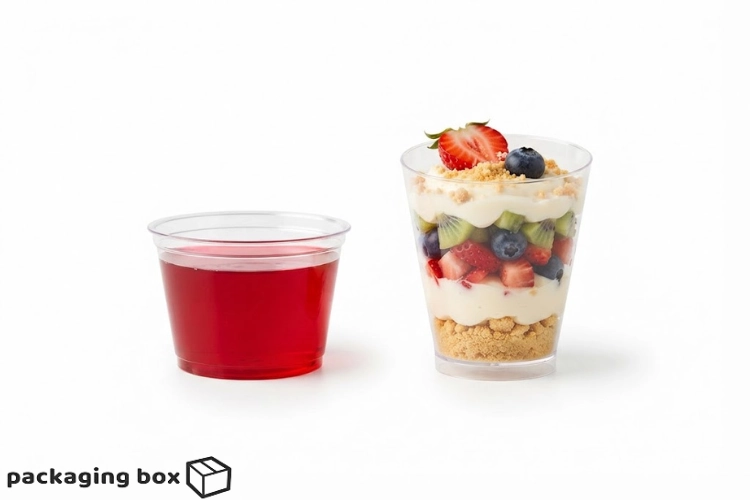

If you run a dessert shop, home bakery, or cloud kitchen in Pakistan, you’ve probably found yourself stuck debating Jelly Cup vs Dessert Cup while placing your next packaging order. It sounds like a small decision, but it isn’t. The cup you choose affects how your dessert looks on Instagram, how it survives a bike delivery in Karachi traffic, and ultimately, how much profit margin you keep per unit. This guide breaks down the real differences between jelly cups and dessert cups, so you can make a decision based on facts rather than guesswork.
🍮 Understanding Jelly Cups and Dessert Cups
Before comparing the two, it helps to understand what each one actually is, because the names are sometimes used loosely in the market.
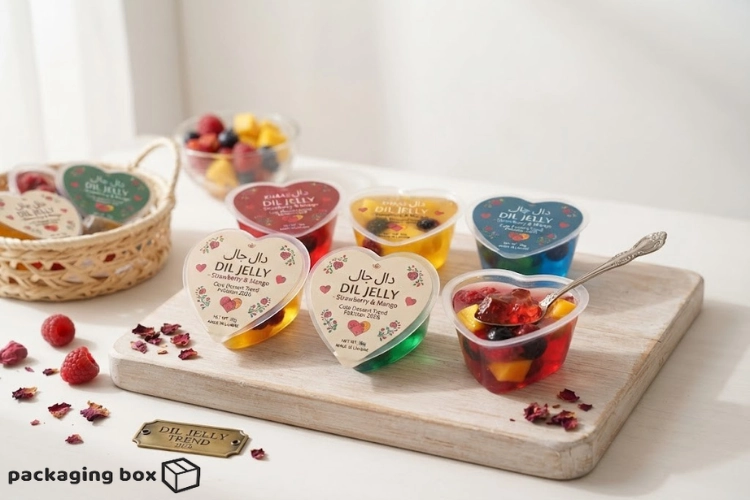
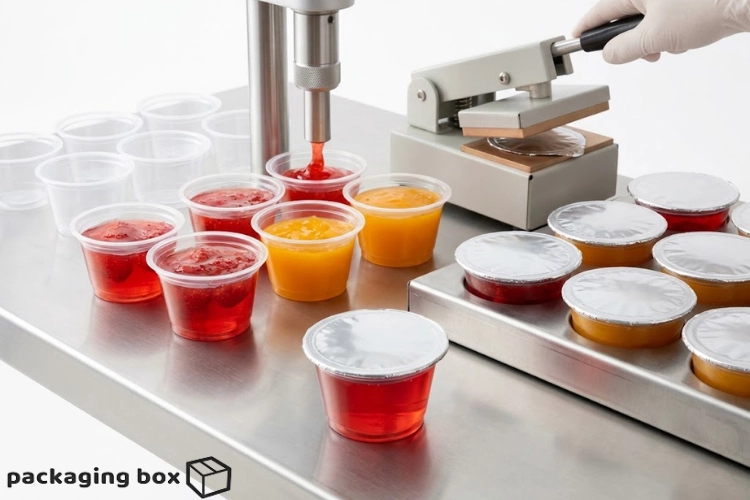
A jelly cup is typically a small, portion-controlled container — often ranging from 25ml to 90ml — designed for single-serve treats like jelly, custard, mousse shots, or choc-dip desserts. They’re compact, usually come with a peelable foil or plastic lid, and are built for grab-and-go consumption. If you’ve ever seen the trendy choc dip jelly cup desserts flooding local dessert pages, this is the packaging behind that trend.
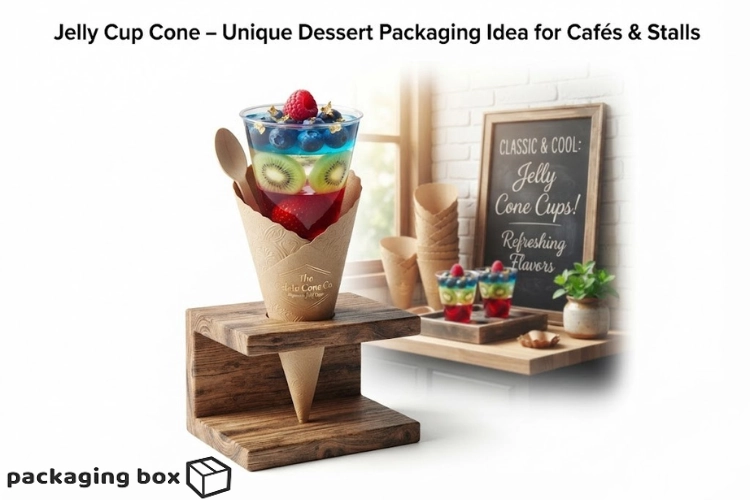
A dessert cup, on the other hand, is a broader category. It includes larger clear plastic cups used for parfaits, trifle, fruit custard, ice cream, and layered desserts. These cups are usually taller, hold more volume, and are designed to showcase layers — which matters a lot when your dessert’s visual appeal is part of the sale. Many dessert businesses use dessert cups with lid specifically because customers want to see the layers before they even open it.
In short: jelly cups are about portion and speed, dessert cups are about presentation and volume. That distinction shapes everything else in this comparison.
🔍 Jelly Cup vs Dessert Cup Comparison – Key Differences
Once you understand the basic definitions, the real question becomes practical: which one actually fits your product line? This is where a side-by-side jelly cup vs dessert cup comparison becomes genuinely useful, because the right choice depends heavily on what you’re selling and how you’re selling it.
If your menu leans toward bite-sized, affordable treats — the kind customers buy two or three of at once — jelly cups win on cost efficiency and shelf appeal. If your menu is built around premium, Instagram-worthy desserts that customers pay more for, dessert cups win on presentation and perceived value.
Here’s a quick comparison to make the decision clearer:
| Factor | Jelly Cup | Dessert Cup |
|---|---|---|
| Typical Size | 25ml – 90ml | 100ml – 300ml+ |
| Best For | Jelly, custard, mousse shots | Parfaits, trifle, layered desserts |
| Presentation | Compact, minimal | High visual impact, layered display |
| Cost Per Unit | Lower | Slightly higher |
| Sealing Options | Foil seal or snap lid | Snap lid, dome lid |
| Ideal Business Type | High-volume, budget desserts | Premium dessert brands, cafés |
This table isn’t meant to declare a single winner — it’s meant to show that jelly cups and dessert cups solve different problems. A smart dessert business often stocks both, using jelly cups for quick, affordable add-ons and dessert cups for their flagship, higher-margin items.
🧪 Material Matters: PET vs PP Cups Explained
Beyond size and shape, the material your cup is made from quietly affects everything from shelf life to customer trust. Most jelly cups and dessert cups in Pakistan’s food industry are made from either PET (Polyethylene Terephthalate) or PP (Polypropylene), and the difference matters more than most new business owners realize.
PET cups are crystal clear, rigid, and excellent for showcasing colorful desserts — which is exactly why they dominate the dessert cup category. Customers can see the layers of your trifle or the swirl in your mousse, and that visual clarity genuinely drives purchase decisions. PP cups, meanwhile, are slightly more flexible, more heat-resistant, and often used where the product might be served warm or needs a firmer seal, such as certain jelly cup formats.
Both materials fall under food-grade plastic cups standards when sourced properly, meaning they’re safe for direct food contact and won’t leach chemicals into your dessert. If you’re unsure which material suits your specific product, it’s worth checking your supplier’s specifications rather than assuming — this single detail affects both food safety packaging standards compliance and customer confidence in your brand.
📏 Cup Sizes for Desserts – Which Size Works Best?
Size selection is where a lot of dessert businesses either overspend or undersell their product, and it’s rarely discussed enough. A cup that’s too large makes your dessert look skimpy; one that’s too small makes it look overpriced.
For jelly cups specifically, this decision has been covered in detail in our breakdown of 25ml vs 90ml jelly cup sizing, which explains how the smaller 25ml format tends to sell better as an impulse add-on, while the 90ml size works better as a standalone dessert item. The same logic scales up for dessert cups — a 100ml cup suits a light snack-style dessert, while anything above 200ml starts feeling like a full dessert experience worth a premium price tag.
Here’s a practical way to think about it:
- Small formats (25ml–100ml) work best for sampling, catering trays, or budget-friendly menu additions.
- Mid-range formats (150ml–200ml) suit most café-style parfaits and everyday dessert sales.
- Large formats (250ml+) are ideal for premium, shareable, or celebration-style desserts.
Getting this right isn’t just about aesthetics — it directly affects your portion control cups strategy and, by extension, your cost per serving.
💰 Cost-Effective Packaging Options for Dessert Businesses
Every dessert business owner eventually has the same realization: packaging costs add up fast, especially at scale. This is where jelly cups often have a natural advantage — their smaller size means less raw material per unit, which translates directly into lower per-piece cost.
That said, cost-effectiveness isn’t only about the price tag on the cup itself. You also need to factor in wastage, breakage during delivery, and how well the cup protects your product. A slightly more expensive dessert cup that arrives intact and photogenic is often more cost-effective than a cheaper cup that leads to refunds or bad reviews over presentation damage.
If you’re ordering at scale, it’s worth reviewing supplier terms around bulk packaging orders and minimum quantities, since per-unit pricing usually drops significantly once you cross certain order thresholds. Many dessert businesses in Pakistan underestimate how much they can save simply by planning purchases quarterly instead of ordering small batches repeatedly.
🌿 Eco-Friendly Dessert Cups – A Growing Trend
Pakistani consumers, particularly in urban markets, are increasingly conscious about packaging waste — and this shift is starting to influence purchasing decisions for dessert businesses too. While traditional PET and PP cups remain the industry standard due to cost and clarity advantages, more brands are exploring eco-friendly dessert cups as a differentiator.
This doesn’t necessarily mean switching your entire product line overnight. Many successful dessert brands start small — offering an eco-friendly cup option for premium items while keeping standard disposable dessert cups for everyday sales. It’s a practical middle ground that lets you test customer response without overhauling your entire supply chain.
If sustainability is becoming part of your brand story, it’s worth exploring broader packaging shifts too, such as those outlined in our guide on eco-friendly custom packaging solutions, which covers options beyond just cups.
🎂 Practical Examples: Real Dessert Business Scenarios
Theory is useful, but real scenarios make the decision easier. Consider a home-based dessert seller in Lahore focusing on choc-dip jelly cups for social media sales — for them, the compact heart jelly cup packaging format makes far more sense than a bulky dessert cup, because their product is designed for cute, shareable unboxing videos rather than layered presentation.
Now compare that to a café in Islamabad serving fruit trifle as a dine-in dessert. Their customers expect to see distinct layers through clear plastic, and portion sizes need to feel generous enough to justify a higher menu price. Here, a proper dessert cup with a secure lid — like the ones used for parfait-style servings — is clearly the better fit.
A third scenario worth mentioning: ice cream and sundae businesses often sit in a slightly different category altogether, typically relying on dedicated ice cream cup formats rather than either jelly cups or standard dessert cups, since frozen desserts need better insulation and a wider mouth for scooping.
These examples highlight a simple truth: there’s no universal winner between jelly cups and dessert cups — the right choice depends entirely on what you’re selling, how you’re selling it, and who’s buying it.
📦 Bulk Ordering & Wholesale Considerations
Once you’ve identified which cup style suits your business, the next practical step is sourcing reliably at wholesale prices. Running out of packaging mid-season — especially during high-demand periods like Ramadan or Eid — can genuinely disrupt sales, so planning ahead matters.
For jelly cups specifically, sourcing from a dedicated plastic jelly cups wholesale supplier ensures consistent quality and sizing across batches, which matters a lot if you’re building a recognizable brand presentation. Similarly, businesses scaling up should review our practical guide on starting a packaging-conscious business to understand how packaging decisions tie into broader operational planning.
It’s also worth checking supplier reliability before committing to large orders — our guide on finding trustworthy wholesale packaging suppliers in Pakistan covers exactly what to look for.
✅ Which Cup is Better for Desserts? Final Verdict
So, after all this comparison, which cup is genuinely better for desserts? The honest answer is that it depends on your product, not on a universal ranking. Jelly cups win when you need affordability, portion control, and quick-consumption convenience — think mousse shots, custard bites, and grab-and-go treats. Dessert cups win when presentation, layering, and perceived premium value matter more than unit cost — think trifles, parfaits, and celebration desserts.
Many successful dessert businesses in Pakistan don’t pick one over the other; they use both strategically across their menu. The real skill lies in matching the right cup to the right product rather than committing entirely to one packaging category.
🛍️ How to Choose the Right Cup for Your Business
If you’re still weighing your options, it helps to ask yourself three simple questions before placing your next order.
- What’s my price point? Lower-cost items generally suit jelly cups; premium items suit dessert cups.
- How will customers see it? If visual layering drives sales, prioritize clear dessert cups over compact jelly formats.
- What’s my delivery method? Products delivered via bike or courier need cups with secure, spill-proof seals regardless of category.
Answering these honestly will point you toward the right packaging faster than any generic recommendation could.
🎯 Final Thoughts
Choosing between jelly cups and dessert cups isn’t about picking a trend — it’s about matching your packaging to your product’s identity and your customer’s expectations. Whether you’re running a small home bakery or scaling into a full dessert brand, the right cup protects your product, enhances its presentation, and ultimately supports your bottom line.
If you’re ready to upgrade your dessert packaging strategy, explore our full range of jelly cups and dessert cups with lid — sourced for quality, consistency, and business-ready pricing across Pakistan.
❓ Frequently Asked Questions
1. What’s the main difference between a jelly cup and a dessert cup? Jelly cups are smaller, single-serve containers typically used for jelly, custard, or mousse shots, while dessert cups are larger and designed to showcase layered desserts like trifle or parfait.
2. Which cup size is best for a dessert business just starting out? Most new businesses find success starting with 90ml jelly cups for affordable treats and 150ml–200ml dessert cups for signature items, then adjusting based on customer response.
3. Are jelly cups cheaper than dessert cups? Generally, yes. Their smaller size and simpler sealing method make jelly cups more cost-effective per unit compared to larger dessert cups.
4. Can I use the same cup for both jelly and layered desserts? It’s possible, but not ideal. Layered desserts need taller, wider cups for visual appeal, while jelly-style treats work better in compact, sealed formats.
5. Where can I buy jelly cups and dessert cups in bulk in Pakistan? You can source both from established suppliers like PackagingBox.pk, which offers wholesale pricing on jelly cups, dessert cups, and related dessert packaging solutions.



💬 0 Comments
Leave a Comment