
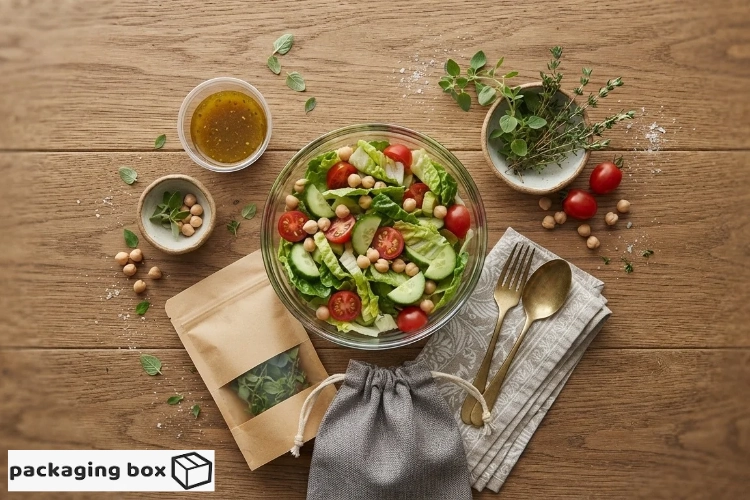

Nothing disappoints a customer faster than opening a salad box and finding limp lettuce swimming in dressing. If you run a restaurant, cloud kitchen, or meal-prep business, knowing how to package salads for delivery is the difference between a repeat customer and a one-star review. A salad is the most fragile item on any menu. It faces moisture, heat, vibration, and time, all at once.
The good news is that wilting is predictable, so it is preventable. With the right container, smart layering, and a few cold-chain habits, you can deliver salads that taste as crisp as they do at your counter. This guide covers everything from choosing containers to handling hot-weather deliveries, with practical examples you can use today.
🌡️ Why Does Salad Wilt During Delivery?
Before fixing the problem, it helps to understand it. Leafy greens are mostly water, held inside cell walls under pressure. When that pressure drops, leaves go limp. Three things cause it during delivery.
Heat is the first culprit. A salad sitting in a warm delivery bag loses moisture quickly, and leaves soften within minutes. Moisture is the second. Wet toppings like tomatoes, cucumbers, and dressing release liquid that soaks into the greens. Trapped condensation is the third. When a cold salad is sealed in an airtight box and then warms up, water droplets form inside the lid and rain back onto the leaves.
Understanding these three enemies makes every decision below easier. Your packaging has to control temperature, separate wet from dry, and manage airflow.
📦 Start With the Right Container
Your container is your first line of defense. The best containers for salad delivery share a few traits: they are food-grade, sturdy, leak-resistant, and clear enough to showcase the fresh ingredients. A transparent lid also sells the salad before the customer even picks up a fork.
Rigid clamshell salad containers protect delicate leaves from being crushed. Deep, wide bowls with domed lids give greens room to breathe, so nothing gets flattened. If you are still comparing options, our guide to salad bowl packaging and how to keep salads fresh breaks down sizes and styles in detail.
For ready-to-serve menus, a transparent salad bowl with a clear lid works well because customers can see the colors and freshness at a glance. If you prefer a bolder presentation, a black salad round bowl with a clear lid makes green and orange ingredients pop. You can browse the full salad bowls collection to compare capacities.
🔍 Quick Container Comparison
| Container Type | Best For | Strength | Watch Out For |
|---|---|---|---|
| Clear plastic salad bowl with lid | Restaurant and cafe salads | Visibility, sturdy, stackable | Needs a snug lid fit |
| Kraft bowl with lid | Grain bowls, warm salads | Eco-friendly look, good insulation | Avoid very wet salads without a liner |
| Hinged deli box | Small salads, side portions | Secure hinge, tamper-resistant feel | Limited depth for large salads |
| Compartment tray | Meal-prep salads | Keeps toppings separate | Smaller leaf volume |
If you want a paper-based option, read how kraft bowls keep food fresh during delivery. For smaller portions, a hinged deli container is a practical fit, and our deli containers range covers sizes from 6oz to 32oz.
🥣 Separate the Dressing From the Greens
If you remember only one rule, make it this one: never dress a salad before delivery. Salt and acid in dressing pull water out of leaves almost immediately. A salad dressed at the kitchen will be soggy before it reaches the doorstep.
The simplest fix is serving dressing on the side. Small sauce cups with tight lids are perfect for this. They are inexpensive, leak-resistant, and give customers control over how much they use. Here is why restaurants rely on them: a dip sauce cup is something every restaurant needs, and it costs far less than a refund.
For a secure fit, try a dip sauce container with an attached lid so the lid never gets lost. If you want a basic, budget-friendly option, a disposable sauce dip container does the job well.
Some businesses prefer salad containers with a dressing compartment, where a small insert sits inside the bowl. This is neat, but make sure the compartment seals fully. A half-sealed cup can tip during a bumpy motorbike ride and ruin the whole order.
A practical example: A Lahore-based cloud kitchen was getting complaints about soggy Caesar salads. They switched from pre-tossed salads to packing the dressing in a separate sauce cup and tucking it into a corner of the bowl. Complaints dropped within the first week, and customers said they liked tossing the salad themselves.
🧱 Layer Ingredients the Smart Way
How you build the salad matters as much as what you put it in. Good layering of salad ingredients keeps wet items away from delicate leaves and protects the texture of crunchy toppings.
The logic is simple: heavy, moist, and sturdy ingredients go at the bottom, and light, delicate ingredients go at the top. This works especially well for jar-style and deep-bowl salads, including the popular mason jar salads that many meal-prep brands sell.
🧩 Recommended Layering Order
| Layer (Bottom to Top) | Ingredients | Why It Works |
|---|---|---|
| 1. Base | Chickpeas, beans, grains, pasta | Absorbs moisture without turning mushy |
| 2. Hard vegetables | Carrots, cucumber, peppers, onions | Holds its crunch even when slightly wet |
| 3. Proteins | Chicken, eggs, paneer, tuna | Keeps proteins away from leaves |
| 4. Soft toppings | Cheese, olives, corn | Adds flavor without adding water |
| 5. Greens | Lettuce, spinach, rocket | Stays dry and crisp on top |
| 6. Crunch | Croutons, nuts, seeds | Packed separately if possible |
A common mistake is placing sliced tomatoes directly on the lettuce. Tomatoes leak juice, and that juice travels straight into the leaves. Pack them in the middle layer, or even in a small side cup if the delivery time is longer than 30 minutes.
Dry the greens properly after washing. Even a little leftover water will speed up wilting, so use a salad spinner and pat the leaves with a clean towel before packing. This one habit can noticeably extend salad shelf life inside the container.
🧻 Use a Moisture-Absorbing Liner and Vented Design
Here is a trick many kitchens overlook. Placing a folded paper towel or food-safe absorbent pad at the bottom or under the lid captures stray moisture before it reaches the leaves. It costs almost nothing and makes a visible difference, especially for longer deliveries.
Ventilation matters too. A fully airtight lid traps humidity, which creates condensation. Vented salad packaging, such as lids with tiny air holes or loose-fit domes, lets excess moisture escape while still protecting the food. The goal is to balance freshness and airflow.
To reduce condensation in salad containers, follow these steps:
- Chill the salad fully before sealing the lid.
- Dry all ingredients thoroughly before packing.
- Add an absorbent liner under the greens or below the lid.
- Avoid sealing hot ingredients in the same container as cold greens.
If you sell both leafy salads and sandwiches, similar moisture rules apply. Our guide on keeping sandwiches fresh during delivery explains how liners and ventilation work across food types.
❄️ Keep Salad Cold From Kitchen to Doorstep
Temperature control is the heart of cold chain food delivery. Salad should stay cold from the moment it is packed until the customer opens it. Even a short stretch at room temperature in Pakistan’s summer heat can ruin crispness and raise food safety concerns.
Start by chilling your containers and ingredients before assembly. A cold bowl keeps the salad cold longer. Then use insulated delivery bags to slow heat transfer during transit. For orders that take longer than 20 to 30 minutes, add ice packs for salad delivery, placed beside or beneath the container rather than touching the leaves directly. Direct contact with ice can freeze delicate greens and make them mushy.
🔥 Tips for Delivering Salads in Hot Weather
Summer deliveries need extra care. Consider these habits:
- Pack salads last, just before the rider arrives.
- Keep salads in a separate insulated compartment, away from hot items like biryani, fries, or pizza.
- Use thicker, sturdier greens such as romaine, kale, or cabbage for summer menus, since they tolerate heat better than baby spinach.
- Limit delivery radius or set realistic time estimates for salad orders.
A frequent mistake is bagging a salad together with a hot meal. Steam rises, warms the salad, and wilts it quickly. If a customer orders a hot main and a salad, use two separate bags or an insulated divider.
🛡️ Make Sure the Packaging Is Leak-Proof and Tamper-Evident
Customers notice spills, and they notice broken seals. Leak-proof salad containers with snap-tight lids keep dressing, juices, and condensation inside the box. Press every lid edge firmly, and test any new container by tilting it before you commit to an order of a few thousand.
Tamper-evident food packaging builds trust, especially for online orders. A sticker seal or a tight band across the lid tells the customer that nobody touched their food after it left the kitchen. This small detail supports your brand’s credibility and makes people feel safe ordering again.
Always choose food-grade packaging. Materials that come into direct contact with fresh produce should be safe, odor-free, and free of harmful chemicals. If you are unsure what to look for, our guide on how to choose food-grade plastic containers in Pakistan explains the key checks. You can also read about plastic containers versus paper containers to decide which suits your menu.
🌿 Eco-Friendly Salad Packaging Options
More customers now care about what happens to their packaging after the meal. Switching to eco-friendly salad packaging options can set your brand apart, as long as the material still protects the food.
Compostable salad bowls and kraft-based containers offer a natural look and break down more easily than conventional plastic. They work especially well for grain bowls and salads with lower moisture. For very wet salads, pair them with a liner or choose a coated option so the bowl does not soften.
Not sure about the terminology? Our explainer on biodegradable vs compostable packaging clears up the difference. For a broader overview, see our biodegradable food packaging guide for Pakistan and the best eco-friendly food packaging for Pakistani restaurants.
If you want to explore paper-based salad packaging, our kraft bowls with lids are a good starting point, such as the 750ml kraft bowl with lid for generous portions. You can also browse the full eco food packaging category.
A nice finishing touch is including a wooden fork or spork. A birchwood dinner spork for rice, pasta, and salads is a natural fit and keeps your whole order plastic-light.
🍱 Packaging Salads for Meal Prep and Subscription Delivery
Salad meal prep delivery packaging has slightly different needs. Orders may sit in a customer’s fridge for a day or two, so the packaging has to preserve freshness over a longer window, not just during the ride.
For meal-prep businesses, compartment trays are a smart choice because they keep proteins, grains, and vegetables separate. The 3-compartment black plastic tray with a clear lid is a good example. Pack greens in their own section, and keep any dressing in a sealed sauce cup.
Label each container with a packing date and a “consume by” date. This is a simple trust-building habit that also shows your customers you take food safety seriously. As a general guideline, most dressed-on-the-side leafy salads stay at their best for around 24 hours when kept cold, though this varies with ingredients, so test your own recipes and set your guidance accordingly.
🚀 Starting a Salad Delivery Business? Read This First
If you are planning how to start a salad delivery business, packaging deserves a place in your budget from day one. It is not just a cost, it is part of the product. Poor packaging leads to refunds, bad reviews, and lost customers, while good packaging pays for itself through repeat orders.
Start small with two or three salad recipes that travel well, and test them by running a real delivery to a friend across town. Taste the salad on arrival, check the leaves, and look for condensation or leaks. Adjust, then repeat. Then partner with a supplier who offers consistent quality and fair pricing. Our guide on choosing the right packaging supplier in Pakistan will help you ask the right questions.
It also helps to understand the bigger picture of how presentation influences orders. Read how packaging affects food sales in Pakistan, and keep our complete guide to food packaging in Pakistan handy as a reference.
✅ Your Salad Delivery Packaging Checklist
Before every order leaves your kitchen, run through this short list:
- Greens are washed, dried, and chilled.
- Wet ingredients are layered low or packed separately.
- Dressing is in a sealed sauce cup.
- An absorbent liner is in place.
- The lid is snapped firmly and sealed with a tamper-evident sticker.
- The order goes into an insulated bag, with an ice pack for longer trips.
- The salad is kept away from hot items.
❓ Frequently Asked Questions
How long can salad stay fresh in a container?
A properly packed salad with dressing on the side usually stays fresh for several hours at cool temperatures, and many last up to a day when kept refrigerated. Freshness depends on the greens, the toppings, and how well moisture is controlled.
Should dressing be packed separately in salad delivery?
Yes. Dressing contains salt and acid that draw water out of leaves, which causes wilting. Packing it in a separate sauce cup keeps the greens crisp until the customer is ready to eat.
How do I keep lettuce from getting soggy in a container?
Dry the leaves thoroughly, add an absorbent liner, keep wet toppings in lower layers or separate cups, and chill everything before sealing the lid.
What type of container keeps salad fresh the longest?
A rigid, food-grade container with a snug, clear lid works best. Look for good ventilation or a design that limits condensation, and make sure it is leak-resistant.
Can you pre-make salad for delivery?
Yes, if you keep the dressing separate, layer ingredients correctly, and store the packed salad in a cold place until dispatch. Add crunchy toppings last or pack them separately.
How do restaurants package salads for takeout?
Most restaurants use sturdy clear bowls, pack dressing in side cups, add absorbent liners, and use insulated bags for transport. Many also add tamper-evident seals.
🎯 Final Thoughts
Learning how to package salads for delivery comes down to a few repeatable habits: use the right container, keep dressing separate, layer smartly, control moisture, and keep everything cold. None of these steps are complicated, but together they protect your food, your brand, and your reviews.
Whether you run a busy restaurant, a meal-prep brand, or a new cloud kitchen, great salad packaging turns a fragile product into a reliable bestseller.
📞 Ready to Upgrade Your Salad Packaging?
Explore our salad bowls collection, compare deli containers, and find eco-friendly options in our eco food packaging range. Contact Eco Packaging today to get quality food-grade packaging that keeps every salad fresh, crisp, and customer-ready.




💬 0 Comments
Leave a Comment