
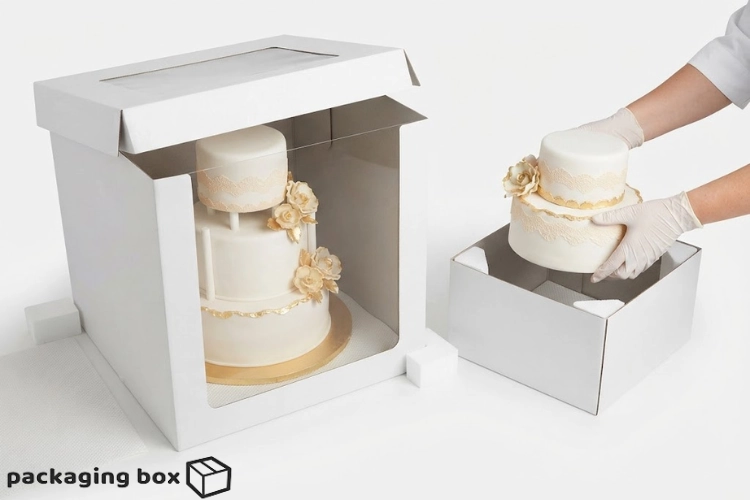

If you have ever watched a beautifully decorated wedding cake arrive at its destination with a cracked tier or a sliding layer, you already know why learning how to pack a multi-tier cake for safe delivery is non-negotiable for any serious baker. A multi-tier cake is not just dessert — it is hours of craftsmanship, delicate fondant work, and structural engineering balanced on a few thin dowels. One wrong turn in traffic or one missed step in packaging, and all that effort can collapse, literally. The good news is that with the right materials, technique, and a little patience, you can deliver even the tallest, most elaborate tiered cakes without a single wobble.
This guide walks you through everything from choosing the correct cake transport box to setting up your delivery vehicle so that your cakes reach their destination looking exactly as flawless as they did in your kitchen.
🎂 Why Multi-Tier Cakes Are So Vulnerable During Transport
Unlike a single-layer cake, a multi-tier design relies on stacked weight distribution. Every tier pushes down on the one below it, and if that structure is not reinforced properly, even a small bump on the road can cause a shift. Buttercream softens with vibration and heat, fondant can crack under pressure, and gravity does the rest if the layers are not anchored to a sturdy base.
This is exactly why bakers who want cake delivery without damage treat packaging as seriously as the baking and decorating process itself. A cake that looks perfect on the counter can still arrive ruined if the transport setup ignores basic physics. Many bakers lose repeat clients not because of taste, but because of damaged delivery — a point we expanded on in our article about why cakes slide inside the box during delivery, which breaks down the exact causes of this common disaster.
🧰 Essential Supplies for Multi-Tier Cake Packing
Before you even think about placing a tier into its box, your packing station should look like a mini assembly line. Having the right tools ready saves time and reduces the risk of last-minute improvisation, which is often where mistakes happen.
- Cake dowels for support – thin wooden or plastic rods inserted into lower tiers to bear the weight of the ones above
- Cake board for stacking – rigid boards placed under each tier so it can be lifted and moved independently
- Non-slip cake mat – a grip layer placed inside the box to stop the base board from sliding
- Sturdy cake transport box with handles – designed specifically for height and weight, not a generic food box
- Styrofoam cake separators – used between tiers in display setups, but also helpful during transport stacking
Having these ready before you start decorating the final tier means you are not scrambling for materials while the buttercream is softening in a warm kitchen.
🛠️ Step-by-Step: How to Pack a Multi-Tier Cake for Safe Delivery
Packing is not a single action — it is a sequence of small decisions, each of which protects the next step. Skipping even one stage increases the risk of a collapse somewhere between your kitchen and the venue.
Step 1: Reinforce Each Tier With Dowels Before Stacking
The cake stacking technique starts long before boxing. Each tier (except the top one) needs cake dowels for support inserted vertically through the cake, trimmed level with the surface. These dowels transfer the weight of the tiers above down through the cake board rather than through the soft cake itself. Skipping this step is one of the most common reasons tiered cakes collapse mid-transport, even on a smooth road.
Step 2: Use a Separate Cake Board for Every Tier
Every tier should sit on its own cake board for stacking, cut slightly larger than the tier itself. This allows you to lift and move each layer independently rather than disturbing the one below it. If you are working with heavier designs, a sturdier drum-style board — like a golden cake drum board — gives extra rigidity and prevents bending under weight, which is especially important for three-tier or four-tier wedding cakes.
Step 3: Decide Whether to Stack Before or During Delivery
For cakes with two or more tiers, most professional bakers avoid full stacking in the kitchen. Instead, they transport tiered wedding cake packaging in separate boxes and assemble the full structure on-site. This single decision dramatically reduces risk because you are no longer moving a tall, top-heavy structure through doorways, staircases, and car seats. If full stacking before delivery is unavoidable, make sure every dowel and board is firmly set before the cake leaves the kitchen.
Step 4: Choose the Right Cake Transport Box for Each Tier
This is where packaging quality becomes the difference between a cake arriving intact or arriving in pieces. A proper cake transport box should match the exact diameter and height of the tier with just enough clearance to avoid contact with decorations. Boxes that are too large allow the cake to slide; boxes that are too tight can smudge fondant or buttercream against the walls. For taller single tiers, a reinforced option such as a tall cake box prevents the lid from pressing down on delicate toppers.
Step 5: Secure the Box With a Non-Slip Base
Place a non-slip cake mat or a thin rubber sheet beneath the cake board inside the box before sealing it. This small addition stops the entire cake-and-board unit from sliding during sudden stops, which is one of the most overlooked steps in safe cake delivery tips shared by experienced bakers.
Step 6: Ventilate the Box Properly
A sealed box with no airflow traps heat and moisture, both of which soften buttercream and encourage condensation on fondant. Boxes designed with small ventilation gaps — paired with proper cake box ventilation — help maintain a stable surface temperature during the ride, especially in warmer months.
🚗 Setting Up the Delivery Vehicle Correctly
How a cake is placed inside the box matters, but how that box is placed inside the vehicle matters just as much. A perfectly packed cake can still be ruined by poor cake delivery vehicle setup.
The golden rule here is simple: the cake should always sit on the flattest, lowest surface available, ideally the car floor rather than a seat. Car seat cake placement should only be used as a backup, and even then, the box must be wedged tightly between stable objects like a cardboard box or rolled towels to prevent any shifting. Avoid placing cakes in the trunk if possible, since road vibration is amplified at the rear of most vehicles.
Driving style plays a bigger role than most people expect. Smooth acceleration, gentle braking, and wide turns taken slowly are part of what separates amateur transport from professional cake delivery methods. Many professional bakeries train their delivery drivers specifically on this, treating the cake almost like fragile cargo that happens to be edible.
📦 Choosing the Right Box Type for Multi-Tier Cakes
Not every cake box is built the same way, and matching the box style to the cake design can prevent a surprising number of delivery issues. Here is a quick comparison to help you choose confidently.
| Box Type | Best For | Key Advantage |
|---|---|---|
| Tall reinforced cake box | Tiers taller than 6 inches | Prevents lid pressure on toppers |
| Window cake box | Display-ready tiers with light decoration | Showcases design without opening lid |
| Plain sturdy cake box | Heavily decorated or fragile tiers | Full protection from light and dust |
| Drum board + separate boxes | Multi-tier wedding cakes | Allows on-site assembly, reduces transport risk |
If you are unsure which style suits your cake, our detailed comparison on window cake box vs plain cake box breaks down exactly when each option makes more sense, both for protection and presentation.
🌡️ How Weather Affects Cake Delivery Safety
Pakistani summers are brutal on buttercream, and this is one area where even experienced bakers get caught off guard. Humidity effect on cake shows up as a sticky, sweating surface on fondant, while direct heat accelerates melting around the base of each tier. Before any long trip, refrigeration before delivery for thirty to forty-five minutes firms up the structure significantly, giving it a buffer against the warm air outside.
Inside the vehicle, air conditioning should be used thoughtfully. Direct cold air blowing onto the cake can cause condensation once it is unboxed in a warmer room, while no cooling at all in a parked car during a delivery stop can soften an entire tier within minutes. The ideal setup keeps the car cool but ensures vents are not pointed directly at the box, striking a balance that protects the cake without creating a temperature shock.
For deliveries covering longer routes, planning around cake travel distance tips becomes essential — shorter stops, pre-cooled cakes, and avoiding peak afternoon heat all contribute to a safer arrival.
⚠️ Common Mistakes That Lead to Cake Delivery Disasters
Even careful bakers fall into predictable traps, and recognizing them in advance is often enough to avoid them entirely.
- Skipping dowels on lower tiers because the cake “feels sturdy enough”
- Using a box that is too large, giving the cake room to slide
- Fully stacking tiers before a long drive instead of assembling on-site
- Ignoring ventilation, which traps heat and softens the structure
- Placing the cake on a car seat without securing it against movement
Most cake delivery mistakes to avoid come down to rushing the packing stage after spending hours on decoration. Treating the final fifteen minutes with the same care as the first fifteen minutes of baking is what separates a flawless delivery from a disappointing one.
👨🍳 How Professional Bakers Handle Tiered Cake Deliveries
Ask any established bakery how they consistently deliver flawless wedding cakes, and the answer usually involves a repeatable system rather than luck. Professional setups rely on correctly sized boxes for every single tier, dedicated non-slip surfaces inside the vehicle, and a strict rule of assembling the final structure at the venue whenever tiers exceed two layers.
This system-based approach is also why many bakeries invest in proper custom bakery packaging rather than relying on generic boxes picked up last minute. The right box, matched to the right cake size, removes a huge portion of the guesswork from how bakers deliver wedding cakes safely, turning what feels like a stressful gamble into a predictable, repeatable process.
For bakers still figuring out sizing, our guide on choosing the right cake box size for your baking business is a useful next step, especially if you are scaling up to handle more wedding and event orders.
🎯 Final Thoughts: Packing With Confidence, Not Guesswork
Mastering how to pack a multi-tier cake for safe delivery is less about having expensive equipment and more about following a consistent, careful process every single time. Dowels and boards protect the structure, the right transport box prevents sliding and heat damage, and a thoughtful vehicle setup carries the cake safely through the final, most unpredictable stretch of the journey. Once this system becomes routine, delivering a four-tier wedding cake feels no more stressful than delivering a simple birthday cake.
If you are ready to upgrade your packaging setup with sturdy, properly sized boxes and reinforced boards built specifically for tiered cakes, explore our full bakery packaging collection and give every cake the protection it deserves on its way to the celebration.
❓ Frequently Asked Questions
Q1: What is the best way to transport a wedding cake with multiple tiers? The safest method is transporting each tier in its own properly sized box and assembling the full cake at the venue, rather than stacking everything before the drive.
Q2: How do I stop cake tiers from sliding during delivery? Use a non-slip mat under the cake board, choose a box that fits snugly without excess space, and keep the box on the flattest, most stable surface in the vehicle.
Q3: What box should I use for a tiered cake? A reinforced, properly ventilated cake transport box matched to the exact size of each tier works best, especially tall boxes for layers over six inches high.
Q4: How can I keep a cake fresh during a long-distance delivery? Refrigerate the cake briefly before leaving, avoid direct air conditioning on the box, and plan the route to minimize time spent in peak heat.
Q5: Why does my cake collapse even with dowels inside? This usually happens when dowels are too few, incorrectly placed, or the cake board is too thin to support the weight of the tiers above it.









💬 0 Comments
Leave a Comment