
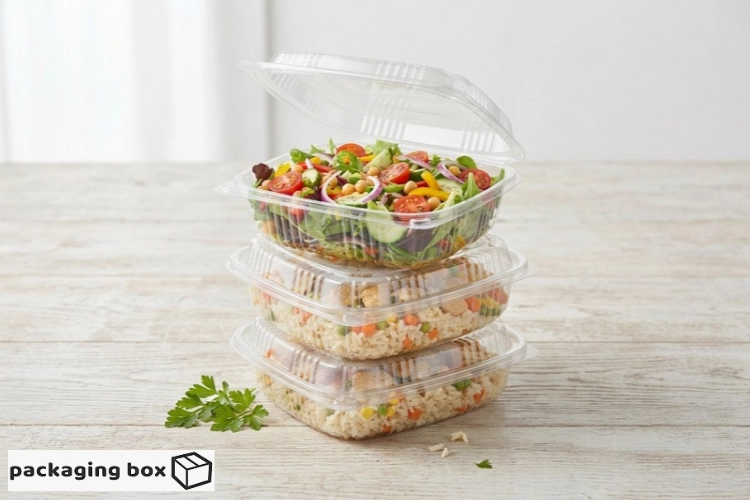

Every food business eventually faces the same question: how do you get a meal from your kitchen to your customer’s table looking just as good as when it left? A hinged deli box is one of the simplest and most reliable answers. It is a one-piece container with a lid attached to the base, so there is no lost lid, no mismatched sizes and no fumbling at the counter. It snaps shut, stacks neatly and works for everything from a warm biryani portion to a chilled fruit salad.
If you run a restaurant, cloud kitchen, bakery or catering service, choosing the right hinged deli box affects more than packaging. It affects food quality, delivery speed, hygiene and how customers remember your brand. In this guide, we cover what these containers are, how they handle hot and cold food, which materials work best, how to pick the right size and what to know before buying in bulk.
📦 What Is a Hinged Deli Box?
A hinged deli box, also called a hinged deli container or hinged takeout container, is a food container whose lid is permanently attached to the base by a flexible hinge. You open it like a book and close it with a snap-lock or press-fit seal. Because the lid never separates from the base, staff can pack faster and customers never have to hunt for a matching cover.
You will often hear people compare it to a clamshell container. The two are close relatives, but “hinged deli box” usually refers to a deli-style design with a deeper base, a more secure snap-lock closure and a shape made for salads, sides, sandwiches, noodles and ready meals. You can see this style in our hinged deli box collection, built for everyday restaurant and takeaway use.
🔥 Why Hinged Deli Containers Have Become a Food Business Favourite
The takeaway and delivery market in Pakistan has grown fast, and so has the demand for packaging that is practical rather than just pretty. Hinged deli containers keep earning their place for a few clear reasons.
First, they are fast. A cashier or packer can fill, close and hand over an order in seconds, which matters during a lunch rush. Second, they are secure. The snap-lock keeps the lid shut during transport, and a well-made container resists spills in a delivery bag. Third, they are consistent. One container, one lid, one size means fewer inventory headaches and more predictable packing costs.
There is also a brand benefit. A clean, sturdy container tells customers you care about hygiene and presentation. For a cloud kitchen with no dining room, the box is often the only physical touchpoint a customer has with your brand, so it deserves attention. We go deeper into this idea in our guide to the best food packaging for restaurants and cloud kitchens.
🧱 Materials: Which Hinged Deli Box Is Right for You?
Material is the first decision, because it controls heat tolerance, leak resistance, appearance and environmental impact. Here is how the most common options compare.
| Material | Best For | Heat Tolerance | Key Advantage |
|---|---|---|---|
| Clear PET plastic | Salads, fruit, cold desserts, cold sandwiches | Low (cold use) | Full visibility, premium look |
| Polypropylene (PP) plastic | Hot meals, rice, noodles, reheating | High | Heat-resistant, often microwave-safe when labeled |
| Kraft paper with lamination | Sandwiches, wraps, dry snacks, bakery items | Medium | Natural look, eco-friendly appeal |
| Paper with window | Bakery items, grab-and-go snacks | Medium | Shows the product, brandable |
🧊 Clear Plastic for Cold Food
Clear plastic is the go-to choice for hinged deli box for cold food because it shows off fresh ingredients. Salads, fruit cups, cold pasta and chilled desserts look more appetising when customers can see what they are buying. The catch is that standard clear PET softens under high heat, so keep it away from steaming meals.
🔥 Heat-Resistant Plastic for Hot Food
For a hinged deli box for hot food, look for a heat-resistant material such as polypropylene. These containers handle hot rice, curries, fried items and noodles without warping. Always check the supplier’s specifications before promising customers that a container is microwave-safe, because not every plastic container is rated for reheating.
🌿 Kraft and Paper Options
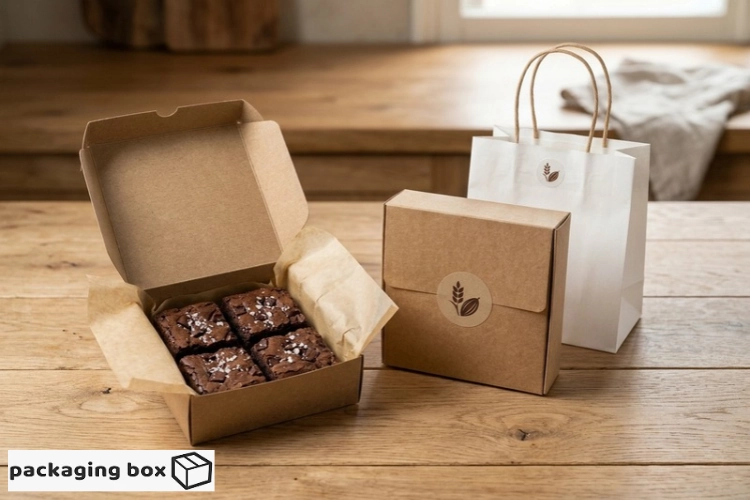
A kraft hinged deli box or paper hinged deli box appeals to brands that want a natural, eco-friendly look. Kraft paper works well for sandwiches, wraps, pastries and dry foods. For oily or saucy items, make sure the paper has a grease-resistant lining, otherwise the box may soften or stain. If you are leaning toward paper, take a look at our kraft sandwich box with window and kraft salad box for ready-to-use examples.
♨️ Can a Hinged Deli Box Keep Food Hot or Cold?
This is one of the most searched questions, and the honest answer is: it helps, but it does not work miracles. A hinged deli box is not an insulated container. What it does is limit heat loss and protect food from outside air, dust and spills for a reasonable delivery window.
For hot food, the tight lid slows cooling, but trapped steam creates condensation. That moisture can make fried foods soggy and soften paper-based boxes. A small tip many restaurants use is to let very hot food release its steam for a minute before closing the lid, or to choose a container with vent holes for crispy items. Our guide on burger packaging that doesn’t get soggy explains the same moisture principle for fast food.
For cold food, the container keeps air out and freshness in, but it will not keep a salad cold for hours on a summer day in Lahore. If you deliver chilled items over longer distances, pair your boxes with insulated delivery bags or ice packs. The container’s job is protection and presentation, while temperature control is a team effort between packaging, bags and delivery speed.
📏 Hinged Deli Box Sizes and Capacity Guide
Choosing a size is easier when you match it to the portion rather than guessing. Too large, and food slides around and looks sparse. Too small, and the lid bulges, which causes leaks and a messy first impression.
As a general approach, small containers suit side dishes, dips, desserts and snack portions. Medium containers work for single-serve salads, pasta, rice dishes and sandwiches. Large containers suit family-style sides, party platters or combo meals. Because capacity and dimensions vary by product, always check the exact measurements on the product page, and order a small sample batch to test with your real menu items before committing to a large quantity. You can view the dimensions on our hinged deli box container product page.
🛡️ Leak-Proof and Grease-Resistant: What to Look For
Nothing damages a brand faster than a leaking delivery bag. When you evaluate leak-proof food containers, check three things: how firmly the lid snaps shut, how deep the base wall is and whether the hinge feels strong or flimsy. A weak hinge can crack after repeated opening, which defeats the entire purpose of the design.
For oily or saucy foods, grease-resistant packaging matters just as much. Plastic containers are naturally resistant to oil, while paper and kraft options need a proper lining. If you serve a lot of curries, gravies or fried items, plastic or lined containers are the safer bet. Ask your supplier about food-grade certification so you know the material is safe for direct food contact.
🍽️ Practical Uses: Where Hinged Deli Boxes Shine
A good container earns its place by being useful across your menu. Here are some real-world examples of how food businesses use them.
A small salad bar uses clear hinged containers for fresh bowls and a separate small box for dressing, so greens stay crisp. A bakery uses window-style paper boxes for pastries, cookies and slices, then adds a sticker with its logo. If you run a bakery, our bakery packaging guide offers more ideas. A cloud kitchen uses heat-resistant containers for rice meals and noodle dishes, since customers often microwave leftovers. A catering service uses them for catering packaging at corporate lunches, where each guest needs a neat, individual portion. A street food seller uses them for snacks like fries, chaat or wraps, often choosing budget-friendly options. For tighter budgets, see our tips on affordable hygienic street food packaging.
🆚 Hinged Deli Box vs Clamshell Container
People often use these terms interchangeably, and technically a hinged deli box is a type of clamshell. In everyday use, though, there are some practical differences worth knowing.
| Feature | Hinged Deli Box | Standard Clamshell |
|---|---|---|
| Depth | Usually deeper, made for meals | Often shallower, made for snacks and bakery items |
| Closure | Snap-lock for a secure seal | May use a simple press or tab closure |
| Best use | Salads, sides, noodles, ready meals | Burgers, sandwiches, pastries |
| Leak resistance | Generally stronger | Varies by design |
If your menu is mostly dry or handheld items, a standard clamshell may be enough. If you pack portions with moisture, sauce or volume, a deeper hinged deli container gives you more protection.
🌍 Eco-Friendly Hinged Deli Box Options
Customers increasingly ask what their food comes in, and many prefer sustainable choices. An eco-friendly hinged deli box can mean several things: kraft paper, biodegradable food packaging or compostable deli containers. Each has trade-offs. Paper-based options look natural and appeal to eco-minded customers, but they can cost more and have lower heat tolerance for wet foods. Plastic is durable and affordable, but it faces more scrutiny from environmentally aware buyers.
The honest approach is to match the material to the food, then be transparent with customers about what you use. You do not need to switch everything at once. Many businesses start by moving one product line, such as sandwiches or salads, to a paper option and see how customers respond. For inspiration, read our article on biodegradable fast food packaging solutions.
🎨 How to Customize Hinged Deli Boxes with Your Logo
A custom hinged deli box turns a basic container into a branding tool. The most practical customization options are printed stickers, branded sleeves or labels, and custom printing on paper-based boxes. Stickers are the budget-friendly way to begin because you can apply them to plain containers in small batches, while full custom printing usually requires higher minimum quantities.
Keep your design simple: your logo, a short tagline and maybe a social media handle. Cluttered designs look cheap and can interfere with the product window on clear containers. If you are ready to scale your branding, our brand-focused packaging manufacturing page explains how custom orders work.
💰 Hinged Deli Box Wholesale and Bulk Buying Tips
Buying in bulk is where food businesses save the most, but it is also where mistakes get expensive. Here are the points that matter before you place a large order.
- Order samples first. Test the container with your actual food, both hot and cold, and run a delivery test.
- Check minimum order quantities. Prices per piece drop with volume, but only if you will actually use the stock before storage becomes a problem.
- Ask about case sizes. Hinged deli box price per case varies by size and material, so compare the cost per unit instead of the cost per carton.
- Confirm food-grade quality. Ask whether the material is food-safe and BPA-free.
- Plan storage space. Stackable containers save room, but a large order still needs a clean, dry area.
For a deeper look at quantities and pricing, read our bulk packaging orders and minimum quantity guide, and if you are comparing suppliers, our article on where to buy wholesale packaging in Pakistan will help. A reliable supplier matters as much as the product, so also see tips for choosing the right packaging supplier.
✅ How to Choose the Right Deli Box for Your Business
With so many options, a simple decision process helps. Start with your food: is it hot, cold, oily, dry or delicate? That single answer narrows your material choice. Next, consider how it travels, because a five-minute walk and a forty-minute delivery need different levels of protection. Then think about your brand: does a clear window, a natural kraft look or a printed design fit your image best? Finally, check your budget and supplier reliability.
If you are still unsure, our broader guide on how to choose food packaging in Pakistan walks through the full decision framework, and our disposable food packaging buyer’s guide covers the wider category. For a quick look at what else sells well, browse our top 10 food packaging products.
🏁 Final Thoughts
A hinged deli box is a small decision with a big impact. The right one protects your food, speeds up your service and makes your brand look professional, whether you serve hot meals, fresh salads or bakery treats. The key is matching the material and size to your menu, testing before you buy in bulk and working with a supplier who understands food-grade quality.
If you want to explore ready-to-order options, visit our hinged deli box category or check out the transparent food container range for more choices. For small teams watching costs, our guide to affordable food packaging for small businesses is a good next read.
📞 Ready to Upgrade Your Food Packaging?
Browse our full food packaging range, pick the containers that suit your menu and place your order today. Your customers will notice the difference from the very first bite.
❓ Frequently Asked Questions (FAQs)
What is a hinged deli box?
A hinged deli box is a food container with a lid attached to the base by a built-in hinge. It closes with a snap-lock or press-fit seal, which makes it quick to pack, secure to carry and easy to stack.
Are hinged deli containers microwave safe?
It depends on the material. Heat-resistant plastics such as polypropylene are often microwave-safe when the manufacturer labels them that way, while clear PET and most paper boxes are not. Always check the product specifications first.
Can hinged deli boxes keep food hot or cold?
They help slow heat loss and protect food from air and spills, but they are not insulated. For longer deliveries, combine them with insulated bags or ice packs.
What is the best hinged deli box for hot food?
Choose a heat-resistant, food-grade material, ideally one designed for hot meals. Deeper, sturdy containers with a strong snap-lock work best for rice, curries and noodles.
What is the difference between a hinged deli box and a clamshell container?
A hinged deli box is a type of clamshell, but it is usually deeper and has a stronger closure, which makes it better for meals, salads and sides. Standard clamshells are often shallower and suited to sandwiches and bakery items.
Are hinged deli boxes eco-friendly?
Some are. Kraft and paper options, biodegradable materials and compostable designs are more eco-friendly than standard plastic. The best choice depends on your food type and budget.
Where can I buy hinged deli boxes in bulk?
You can buy them from a packaging supplier that offers wholesale pricing and food-grade materials. Order samples first, then compare the cost per unit and minimum quantities.
How do I customize hinged deli boxes with my logo?
The easiest method is printed stickers or labels. Full custom printing is also possible on paper-based boxes, usually with higher minimum order quantities.



💬 0 Comments
Leave a Comment