
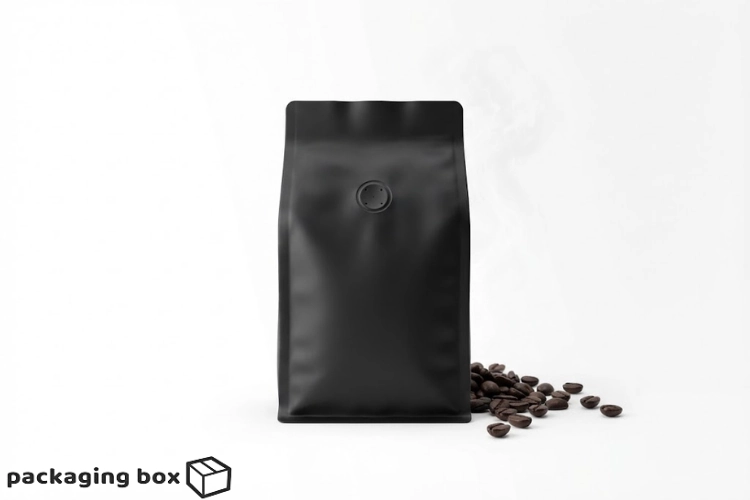

If you’ve ever opened a bag of coffee and been hit with that rich, unmistakable aroma, chances are it came packed in a coffee bag with valve. This small, unassuming feature on the front or back of a coffee pouch does far more than most people realize — it’s the reason your morning brew tastes fresh weeks or even months after roasting. Coffee is a surprisingly delicate product once it leaves the roaster, and without the right packaging, all that hard work in sourcing, roasting, and grinding can go to waste in a matter of days.
In this guide, we’ll unpack exactly how a coffee valve bag works, why roasters and brands around the world rely on it, and how it compares to traditional packaging that lacks this feature. Whether you’re a café owner sourcing packaging, a home roaster, or simply a curious coffee lover, understanding this small piece of engineering will change how you look at every bag of beans on the shelf.
🌬️ Why Coffee Needs to “Breathe” After Roasting
Here’s something most casual coffee drinkers never think about: freshly roasted coffee beans are still chemically active. The roasting process triggers a natural reaction inside the beans that causes them to release carbon dioxide for days, sometimes weeks, after they come out of the roaster. This process is commonly known as coffee bean off-gassing, and it’s completely natural — but it creates a packaging challenge.
If coffee is sealed in an airtight bag immediately without any way for that gas to escape, the buildup of CO2 can cause the bag to bloat, and in extreme cases, even burst. On the other hand, if the bag is left open or loosely sealed to let the gas out, oxygen and moisture rush in from the outside, which speeds up staleness and robs the coffee of its aroma. This is exactly the problem a one-way valve coffee packaging system was designed to solve.
The valve allows built-up CO2 to escape from inside the bag without letting any outside air back in. It’s a simple mechanical trick, but the impact on coffee freshness is enormous. Roasters who care about quality — and brands who want their customers to taste the difference — almost always package their beans in pouches fitted with this feature.
🔬 How Does a Coffee Valve Work?
A coffee valve, sometimes called a CO2 release valve, is a tiny circular or oval component fitted into the bag, usually made from food-grade plastic. Inside, it contains a thin flexible membrane that acts like a one-directional gate.
When gas pressure builds up inside the sealed bag from the beans off-gassing, that pressure pushes against the membrane. Once it reaches a certain threshold, the membrane lifts slightly, letting the excess CO2 escape through tiny vents. As soon as the internal pressure equalizes, the membrane snaps back into place, sealing the bag again and blocking any outside air, moisture, or contaminants from getting in.
This is the core mechanism behind every degassing valve coffee bag on the market today. It’s a passive system — no batteries, no manual operation, nothing for the end user to do. The valve simply does its job silently in the background, protecting the coffee’s aroma and flavor compounds from the moment it’s packed until the seal is broken by the consumer.
🆚 Valve vs Non-Valve Coffee Bags: What’s the Real Difference?
A common question we hear is whether valve packaging genuinely makes a noticeable difference, or if it’s simply a marketing feature. The honest answer is that it makes a very real, very measurable difference — and the comparison below shows why.
| Feature | Coffee Bag with Valve | Standard Bag (No Valve) |
|---|---|---|
| Gas release | Automatic, continuous | None — gas trapped inside |
| Risk of bag bursting | Very low | High if sealed too early |
| Oxygen exposure | Minimal, one-way protection | High once opened or vented |
| Aroma retention | Strong, long-lasting | Fades quickly |
| Shelf life | Weeks to months longer | Significantly shorter |
As the table shows, the difference isn’t cosmetic — it directly affects how long coffee stays enjoyable on the shelf. This is why most fresh coffee packaging bags used by specialty roasters, cafés, and export brands are built around this exact technology rather than relying on plain sealed pouches.
🧪 The Science Behind Freshness: Oxygen, Moisture, and Light
Beyond CO2 management, a good coffee packaging with valve setup is usually paired with other freshness-preserving features working together as a system. Oxygen is coffee’s biggest enemy after roasting — it reacts with the natural oils in the beans, causing oxidation that dulls flavor and turns pleasant aromatics into flat, stale notes. That’s why valve bags are almost always built with oxygen barrier packaging layers, often combining kraft paper with a thin foil or metalized lining.
Moisture is the second major threat. Even small amounts of humidity seeping into a bag can cause clumping in ground coffee or accelerate staleness in whole beans. This is why quality valve pouches also focus on moisture-proof packaging, using laminated layers that block humidity from the surrounding environment while still allowing the valve to manage internal gas pressure.
Light exposure rounds out the trio of freshness killers. UV rays break down the delicate aromatic oils in coffee over time, which is why many premium brands choose opaque or foil-lined materials rather than fully transparent bags. If you’re curious about how different pouch materials stack up against each other for coffee shelf life, our detailed comparison on kraft pouch vs aluminum pouch shelf life breaks this down in more depth.
📦 Materials That Make Valve Coffee Bags Even Better
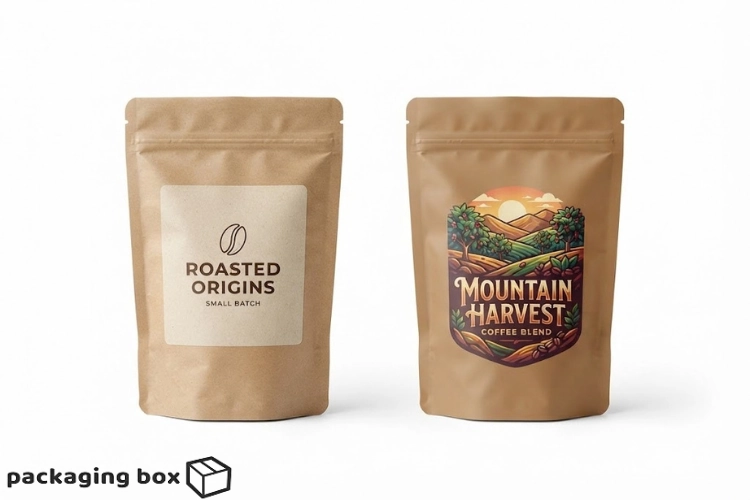
Not all valve bags are created equal, and the base material plays a huge role in how well freshness is preserved. Kraft paper coffee bags with an internal foil or poly lining strike a nice balance between sustainability and protection, giving brands an earthy, premium look while still blocking light and moisture effectively.
For roasters who want maximum protection, foil-lined coffee bags are the gold standard. The metallic layer creates a near-total barrier against oxygen, moisture, and light, which is why so many specialty and export-grade coffee brands lean on aluminum-based pouches. If you want to explore how these premium materials are constructed, our guide on aluminium foil standup pouches covers the layering and lamination process in detail.
Then there’s the pouch style itself. Most valve coffee bags today use stand-up pouch packaging — a format that not only looks clean and modern on retail shelves but also improves storage stability and reduces the risk of spills. If you’re new to this packaging style entirely, our beginner-friendly breakdown on what is a standup pouch is a great starting point before diving deeper into valve-specific options.
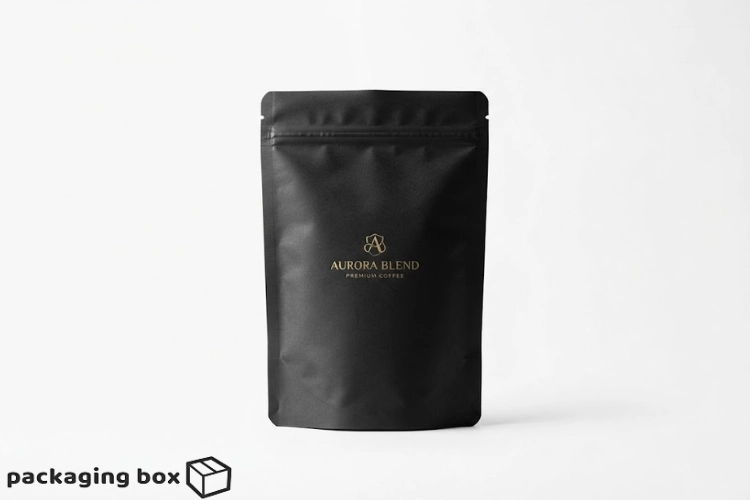
Roasters who want the complete package — valve, barrier lining, and stand-up structure all in one — often go straight for dedicated coffee bag solutions. Options like our black coffee bag collection and white coffee bag collection are built specifically with these freshness requirements in mind.
🕒 How Long Does Coffee Stay Fresh in Valve Bags?
This is probably the single most practical question roasters and buyers ask, and the answer depends on a few overlapping factors: the bean’s roast level, the bag’s material quality, and whether the coffee is whole bean or pre-ground.
Whole bean coffee sealed properly in a valve pouch typically stays fresh and flavorful for four to twelve months, since the intact bean structure slows down oxidation. Ground coffee, on the other hand, has far more surface area exposed to air, so even in a high-quality valve bag, it’s best consumed within two to four weeks of opening for peak flavor, though it remains safely usable for months beyond that.
| Coffee Type | Unopened Shelf Life (Valve Bag) | After Opening |
|---|---|---|
| Whole bean | 6–12 months | 2–4 weeks (best flavor) |
| Ground coffee | 4–6 months | 1–2 weeks (best flavor) |
These numbers assume the bag is stored in a cool, dry place away from direct sunlight — because even the best valve packaging can’t fully compensate for a bag left sitting on a hot windowsill.
🎯 Choosing the Right Valve Coffee Pouch for Your Brand
If you’re a café owner, roastery, or packaging buyer looking to source the right pouches, there are a handful of practical things worth thinking through before placing a bulk order. Getting these details right up front saves both money and future customer complaints about stale product.
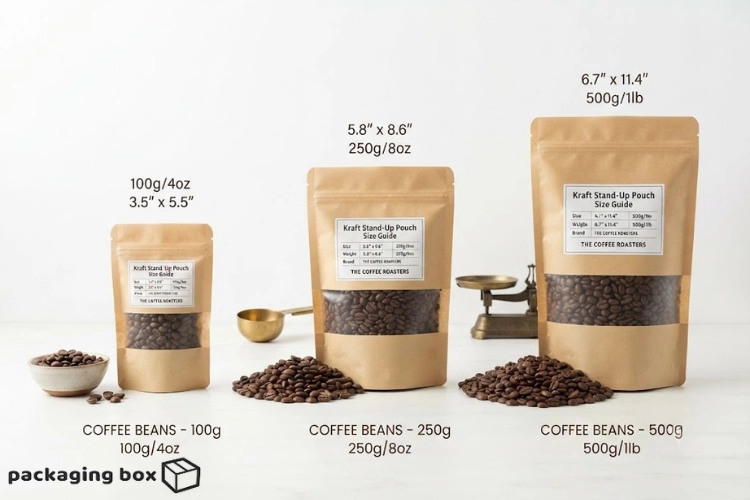
- Bag size relative to coffee volume — too much empty air space accelerates staleness, so matching pouch dimensions to your typical fill weight matters more than people expect.
- Resealability — a resealable coffee bag with valve combining a zip-lock strip with the valve gives your customers a way to maintain freshness even after the first use.
- Material transparency vs. protection — clear-front pouches look appealing on shelves but offer less UV protection than fully opaque kraft or foil options.
For a deeper look at matching pouch dimensions to product weight and use case, our guide on how to choose standup pouch size walks through the sizing logic step by step. And if you’re weighing up different coffee bag types entirely, our breakdown of what foods can you store in a standup pouch is a useful companion read for anyone packaging beyond just coffee.
💼 Real-World Example: From Roastery to Retail Shelf
Consider a small specialty roastery packing a fresh batch of medium-roast Colombian beans. The moment the beans come out of the roaster, they’re still actively releasing CO2. If packed into a plain sealed bag, that gas buildup would either burst the seal within days or force the roaster to wait 24–48 hours before packaging — delaying delivery and risking additional oxygen exposure during that open-air waiting period.
Instead, by packing directly into a coffee valve bag, the roastery can seal the coffee immediately after roasting. The valve quietly vents the CO2 over the following days while the bag stays sealed and protected the entire time. By the time the bag reaches a café counter or online customer, the coffee inside has had a controlled, natural degassing period — locked away from oxygen, moisture, and light throughout. This is precisely why premium roasteries and export brands treat valve packaging as a non-negotiable part of their process rather than a nice-to-have extra. Many local brands looking to scale their offering also explore broader stand-up pouch packaging solutions to standardize freshness across their entire product line.
🏁 Conclusion: Small Valve, Big Impact on Freshness
At first glance, a coffee valve might seem like a minor packaging detail — a tiny plastic disc easy to overlook. But as we’ve walked through, it’s genuinely one of the most important innovations in coffee packaging, quietly managing the delicate balance between releasing built-up gas and blocking outside oxygen and moisture. Without it, even the best-roasted beans would lose their character far too quickly.
Whether you’re running a café, launching a coffee brand, or simply want your home-brewed cup to taste as good on day thirty as it did on day one, choosing the right coffee bag with valve is one of the easiest, highest-impact decisions you can make. Pair it with the right barrier materials, correct sizing, and proper storage, and you’re giving every batch of coffee the best possible shot at staying fresh from roastery to cup.
Ready to upgrade your coffee packaging? Explore our full range of valve-equipped stand-up pouches built specifically to lock in freshness, or browse our complete shop for custom sizes and finishes tailored to your brand.
❓ Frequently Asked Questions
How does a coffee valve work? A coffee valve uses a flexible one-way membrane that lets built-up CO2 escape from inside the bag while blocking outside air, oxygen, and moisture from entering, keeping the coffee fresh without risking a burst seal.
Why do coffee bags have valves? Coffee bags have valves because freshly roasted beans continue releasing carbon dioxide for days after roasting. Without a way to vent that gas, sealed bags could bloat or burst, and the coffee’s freshness would suffer.
What is a one-way valve on coffee bags? A one-way valve is a small mechanical fitting that allows gas to exit a sealed bag in a single direction only, preventing outside air from flowing back in and compromising freshness.
Does valve packaging affect coffee taste? Yes, positively. Valve packaging preserves aroma compounds and slows oxidation, meaning coffee retains its intended flavor profile far longer than it would in non-valve packaging.
How long does coffee stay fresh in valve bags? Whole bean coffee typically stays fresh for six to twelve months unopened in a quality valve bag, while ground coffee is best enjoyed within one to two weeks after opening for peak flavor.
What’s the difference between valve and non-valve coffee bags? Valve bags actively manage internal gas pressure and block oxygen re-entry, extending shelf life significantly, while non-valve bags trap gas inside or require the bag to remain unsealed longer, increasing spoilage risk.
How do coffee bags prevent staleness overall? Beyond the valve, staleness prevention relies on multiple barrier layers — oxygen-blocking foil or metalized linings, moisture-resistant materials, and light-blocking outer layers — all working together with the valve system.





💬 0 Comments
Leave a Comment