
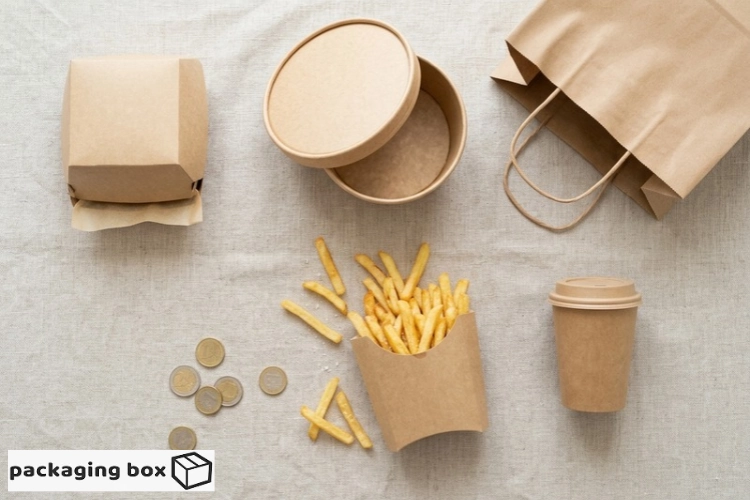

Most restaurant owners spend months choosing a location, a chef and a menu. Packaging usually gets decided in the last week, in a rush, and it shows up later as a bleeding line in the monthly accounts. A sensible restaurant packaging budget in Pakistan is not about buying the cheapest box. It is about knowing what each order costs you to wrap, protect and deliver, and making sure that number fits inside your profit margin.
Delivery is no longer a side channel. For many new restaurants and cloud kitchens, more than half of daily sales travel in a box, a bag or a cup. If that packaging leaks, arrives soggy or costs more than you planned, you lose money and repeat customers. This guide walks you through the whole process in plain language: what to include, how much to set aside, how to avoid common mistakes and where to save without making your brand look cheap.
💡 Why Packaging Deserves Its Own Line in Your Startup Budget
When you work out your restaurant startup cost in Pakistan, rent, equipment, licences, staff and raw material take most of the attention. Packaging often gets lumped into “miscellaneous.” That is a mistake, because packaging is one of the few costs that rises every time you make a sale. Rent stays the same whether you sell 20 burgers or 200. Packaging does not.
Think of it as a hidden ingredient. A burger that costs Rs 220 to make is not really a Rs 220 burger once you add the box, the bag, the sauce cup, the napkin and the sticker. Each of those items adds a few rupees, and a few rupees multiplied by thousands of orders a month becomes a serious figure. Owners who track this from the start price their menu correctly. Owners who ignore it often discover their “profitable” item is barely breaking even.
There is also a brand angle. Your packaging is the only part of your restaurant that reaches the customer’s home. A clean, sturdy, well-fitted box tells people you care about quality before they take the first bite. That is why packaging belongs in both your operating expenses and your marketing plan.
🧮 What Percentage of Revenue Should Go to Packaging?
A common question among new owners is how much a restaurant should spend on packaging. There is no single correct answer, but a useful working range for most delivery-heavy restaurants is roughly 3% to 8% of revenue. The exact number depends on your menu.
A shawarma or burger outlet that relies on simple wraps and paper bags sits at the lower end. A restaurant serving curries, biryani, soups or desserts needs leak-proof containers, lids and carry bags, so it lands higher. Premium brands with custom printed boxes and branded cups can go beyond that range, but they usually charge higher menu prices to match.
Here is a simple way to calculate your own figure. Take the average packaging cost per order and divide it by your average order value. If your typical order is Rs 1,200 and your packaging costs Rs 72, you are spending 6% of that sale on packaging. If the figure feels too high, you have two levers: reduce the cost per order or raise the menu price slightly. Good owners usually pull both gently instead of cutting quality.
🧾 Build Your Packaging Cost Per Order, Item by Item
The most reliable way to plan a packaging budget plan for a new restaurant is to build the cost per order from the bottom up. List every item that leaves your kitchen with a typical order, then attach a realistic price to each one. The table below shows an illustrative example for a burger-and-fries delivery order.
| 🍔 Packaging Item | Illustrative Cost per Order (PKR) |
|---|---|
| Burger box or wrap | 18 – 30 |
| Fries pocket or cone | 8 – 15 |
| Paper carry bag | 12 – 25 |
| Cold drink cup with lid | 15 – 25 |
| Sauce or dip cup | 3 – 6 |
| Napkin and cutlery | 5 – 10 |
| Seal sticker or tamper tape | 2 – 5 |
| Total per order | 63 – 116 |
These figures are examples for planning, not a price list. Packaging rates change with material, size, print and order quantity, so always collect fresh quotes before locking your budget.
The value of this exercise is that it turns a vague worry into a number you can use. Once you know your per-order figure, multiplying it by your expected daily orders gives you a monthly packaging requirement. For example, 50 orders a day at roughly Rs 72 each comes to about Rs 108,000 a month. Now you can plan cash flow instead of guessing.
🧰 Match Your Packaging to Your Menu, Not to a Trend
One of the quickest ways to overspend is buying packaging that looks nice but does not suit the food. The right container depends on temperature, moisture, oil and travel time.
Burgers and sandwiches need structure and ventilation. A sealed box traps steam and turns the bun soggy within minutes, which is why many restaurants switch to vented designs or paper bags for short trips. If sogginess is a concern, this breakdown of burger packaging that doesn’t get soggy in Pakistan explains what actually works. You can also compare options in this guide on kraft burger box vs paper burger bag, then browse the burger box collection when you are ready to order.
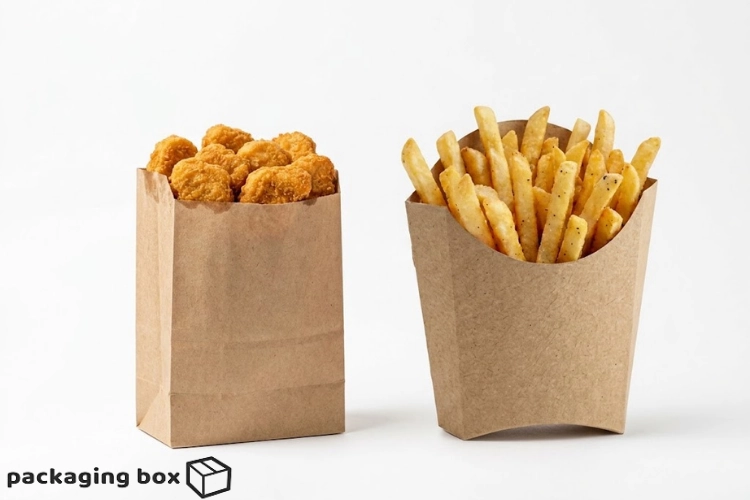
Fries and nuggets are cheap to pack but easy to get wrong. A paper pocket keeps fries crisp, while a bag suits nuggets. The side-by-side in nugget bag vs fries pocket helps you choose, and the fries pocket range covers the common sizes.
Pizza needs sturdy corrugated boxes that absorb steam and stay flat. You can see the standard options in the pizza box category.
Curries, rice dishes and salads need leak-proof containers with tight lids. Kraft bowls with lids suit soups and salads, while plastic containers suit gravies and biryani. Have a look at kraft bowls, black food containers and transparent food containers to see the range.
Shawarma and wraps need a compact, grease-resistant holder. A purpose-built doner box keeps the wrap upright and tidy during delivery.
Street food and snacks work best with light, hygienic, low-cost options. This guide on affordable hygienic street food packaging in Pakistan is a good starting point.
The principle is simple: choose the cheapest packaging that still protects the food and keeps it presentable on arrival. Anything cheaper than that costs you refunds and bad reviews. Anything more expensive eats your margin without helping the customer.
🛵 Plan for Delivery Platforms and Cloud Kitchens
If you plan to sell through food delivery apps, your packaging has to survive a longer, bumpier trip than dine-in or walk-up orders. Riders carry multiple orders, bags get tilted, and food can sit for 30 to 40 minutes before it is eaten. For food delivery packaging in Pakistan, that means stronger lids, secure seals and carry bags with reasonable strength.
Cloud kitchens feel this even more, because they have no dining room to soften mistakes. Every sale is a delivery sale, so packaging often becomes the largest variable cost after ingredients. If this describes your model, read best food packaging in Pakistan for restaurants and cloud kitchens before finalising your list. It covers which items matter most for kitchens that operate entirely through delivery.
A small but powerful habit is adding a tamper-evident sticker or seal. It costs only a couple of rupees, but it reassures customers that nobody touched the order on the way. In a market where trust drives repeat orders, that tiny cost pays for itself quickly.
🏷️ Branded Packaging: Worth It at the Start?
Many owners ask whether custom branded food packaging in Pakistan makes sense for a small restaurant. The honest answer is that it depends on your volume and your stage.
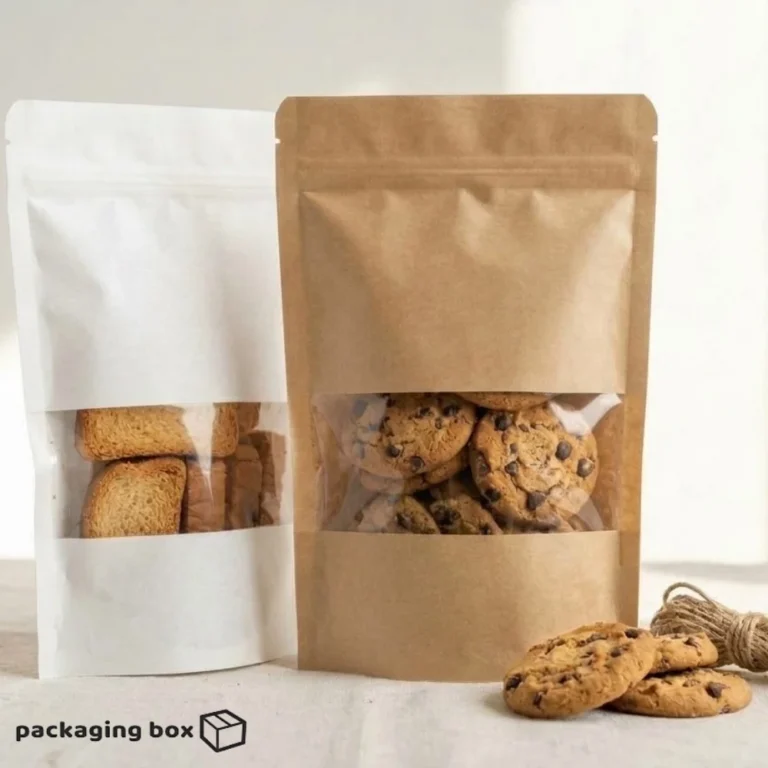
Fully custom printed boxes usually come with higher minimum order quantities, longer lead times and setup costs. For a brand-new restaurant that has not yet settled on its menu or logo, that can lock up cash in stock you may need to change. A smarter path for many startups is to begin with quality plain kraft or white packaging, then add branding through low-cost touches such as printed stickers, a stamped logo, branded napkins or custom coffee cups.
Cups are an especially efficient place to start, because they travel with the customer and get photographed often. This piece on custom printed coffee cups as the cheapest way to brand your cafe shows how to build brand presence without a huge upfront order. You can also browse customised coffee cups and custom napkins if you prefer to brand in stages.
Once your menu is stable and your order volume grows, moving to fully printed boxes makes much more financial sense, because the cost per unit drops as quantity rises. At that point, branded packaging stops being an expense and starts working as advertising that rides along with every delivery.
🏭 Understand MOQ and Bulk Pricing Before You Order
Two terms will shape your cash flow more than any other: minimum order quantity (MOQ) and bulk discount. MOQ is the smallest amount a supplier will sell you in one order. Bulk discounts reduce the price per unit as the quantity goes up.
For a startup, there is a balancing act here. Ordering large quantities lowers the cost per piece, but it also ties up money and storage space, and it risks leftover stock if you change your menu. Ordering too little means higher unit prices and frequent restocking. The sweet spot is usually enough stock for four to six weeks of sales, with a plan to reorder before you run out.
If you are unsure how this works in practice, this guide to bulk packaging orders, minimum quantity and cost explains how quantity affects price. For a broader view of sourcing, where to buy wholesale packaging in Pakistan lays out the main buying routes.
💰 How to Divide Your Packaging Budget
Once you know your monthly packaging requirement, you need to divide it sensibly. The table below shows a typical allocation for a delivery-focused restaurant. Adjust it to suit your menu.
| 📊 Budget Category | Suggested Share of Packaging Budget |
|---|---|
| Core food containers (boxes, bowls, trays) | 40% – 45% |
| Carry bags and outer packaging | 15% – 20% |
| Cups, lids and drink packaging | 10% – 15% |
| Sauces, cutlery and napkins | 10% – 12% |
| Branding (stickers, printed items) | 8% – 12% |
| Wastage and trial buffer | 5% – 8% |
The wastage buffer is the line most owners forget. Boxes get crushed, lids go missing and staff overuse items during the first few weeks. Setting aside a small cushion prevents your budget from breaking in month one. It also gives you room to trial a new item without disturbing your main stock.
✂️ Smart Ways to Reduce Packaging Cost Without Hurting Quality
Cutting cost does not mean choosing flimsy materials. It means removing waste and buying more intelligently. These are the moves that work best for small restaurants.
- Standardise sizes. Using fewer container sizes across your menu lets you buy in larger volumes and get better rates.
- Right-size every item. An oversized box wastes material and makes food slide around. A snug fit costs less and travels better.
- Compare suppliers on landed cost. The cheapest unit price can hide delivery charges, damaged stock or inconsistent quality.
- Train your staff. Clear rules on how many sauce cups, napkins and cutlery sets go into each order stop quiet overuse.
- Reorder on a schedule. Planned buying avoids rush orders at premium prices.
For a deeper look at saving money, read this guide on affordable food packaging in Pakistan for small businesses. It covers cheap but dependable choices for owners watching every rupee.
🌿 Eco-Friendly Packaging: A Cost or an Advantage?
Sustainable packaging often gets labelled as expensive, but that picture is changing. Kraft paper, bagasse, wooden cutlery and compostable bowls are now widely available, and customers increasingly notice and appreciate them, especially in cafes and premium restaurants.
You do not have to switch everything at once. A practical approach is to start with the items customers touch and see most, such as cutlery, bags and bowls, then expand as your budget allows. If you are weighing cutlery options, this comparison of wooden cutlery vs plastic cutlery for restaurants breaks down the trade-offs, and you can browse eco-friendly cutlery directly. For a wider overview, biodegradable fast food packaging solutions shows what is available for fast food formats.
Used well, eco-friendly packaging becomes a story you can tell on social media and in your menu, which supports premium pricing and helps your brand stand out.
🤝 Choose the Right Packaging Supplier
Your supplier affects your budget as much as the products do. A reliable partner delivers on time, keeps quality consistent from one batch to the next and answers quickly when something goes wrong. An unreliable one leaves you with empty shelves on a busy Friday night.
When comparing suppliers, look beyond price. Ask about sample availability, minimum order size, delivery times to your city, return policies for damaged goods and whether they can match you with the right product for your menu. Checking reviews and asking for samples before a big order is simple and saves a lot of regret. This article on tips for choosing the right packaging supplier gives a useful checklist, and how to choose food packaging in Pakistan helps you match products to your menu. If you want to see what is available in one place, the food packaging overview for Pakistan and the disposable food packaging buyer’s guide are good references.
Lastly, think of packaging as an investment rather than a pure expense. This guide on investing in packaging for small businesses explains why careful spending here tends to repay itself through fewer complaints and stronger repeat business.
⚠️ Common Budgeting Mistakes to Avoid
Even careful owners fall into a few predictable traps. Knowing them in advance keeps your numbers healthy.
The first is ignoring packaging when pricing the menu. If your costing sheet stops at ingredients, your real margin is lower than you think. Add packaging to every item’s cost.
The second is buying for a menu that is not final. Large orders of one container type become dead stock if you drop that dish. Test first, scale second.
The third is choosing on price alone. A box that collapses under a burger costs far more in refunds and reputation than the few rupees you saved.
The fourth is forgetting seasonal spikes. Ramadan, Eid, wedding season and national holidays can multiply order volume. Build extra stock into your plan before these peaks so you do not scramble or pay rush prices.
The fifth is skipping samples. Always test packaging with real food, a real delivery trip and real temperatures before committing to a big order.
✅ A Simple 5-Step Plan to Set Your Budget Today
If you want to turn all this into action, follow this sequence:
- List every menu item and the packaging it needs.
- Collect quotes and samples for each packaging item.
- Calculate the packaging cost per order for your typical sale.
- Multiply by your expected monthly orders and add a 5–8% wastage buffer.
- Compare the total with 3–8% of expected revenue and adjust prices or packaging where needed.
Review the numbers every month for the first three months. Real sales will quickly show you which items sell most, which packaging is overused and where you can save.
🏁 Conclusion
A well-planned restaurant packaging budget in Pakistan protects your margins, your food quality and your brand all at once. Start by understanding your cost per order, match packaging to your menu, buy in sensible quantities and add branding in stages as your restaurant grows. Keep a small buffer for wastage and seasonal peaks, and review your numbers regularly. Owners who treat packaging as a planned part of their startup cost, rather than an afterthought, usually run tighter, more profitable kitchens.
📞 Ready to Plan Your Packaging?
Looking for dependable food packaging for your new restaurant, cafe or cloud kitchen? Explore the full range in the PackagingBox.pk shop, compare options for your menu and get the right packaging at the right price from day one. Contact the team today to discuss your requirements and request quotes.
❓ Frequently Asked Questions
How much should a restaurant spend on packaging?
Most delivery-focused restaurants spend roughly 3% to 8% of revenue on packaging. Simple menus such as burgers and wraps sit near the lower end. Menus with gravies, rice dishes and desserts, or brands that use premium printed packaging, usually sit higher.
Restaurant packaging ka budget kitna hona chahiye?
Restaurant packaging ka budget aam tor par aapki total sale ka 3% se 8% hona chahiye. Pehle har order ka packaging cost nikalein, phir usay expected monthly orders se multiply karein aur 5–8% wastage buffer add karein.
What packaging do I need for a takeaway restaurant?
A takeaway restaurant typically needs food containers or boxes suited to its menu, carry bags, cups with lids for drinks, sauce cups, napkins, cutlery and tamper-evident stickers. The exact mix depends on whether you sell burgers, pizza, curries, wraps or desserts.
How can I reduce packaging cost in my restaurant?
Standardise container sizes, right-size each item, compare suppliers on total delivered cost, train staff on portion rules for sauces and cutlery, and reorder on a schedule. Buying in sensible bulk quantities lowers the cost per unit without tying up too much cash.
Is custom packaging worth it for a small restaurant?
It can be, but not always at the very start. Many small restaurants begin with quality plain packaging plus branded stickers, napkins or cups, then move to fully printed boxes once their menu and volume are stable and the cost per unit becomes reasonable.
How do I choose a packaging supplier for my restaurant?
Compare suppliers on quality consistency, minimum order quantity, delivery reliability, sample availability and after-sales support, not only on price. Always test samples with real food and a real delivery trip before placing a large order.




💬 0 Comments
Leave a Comment