
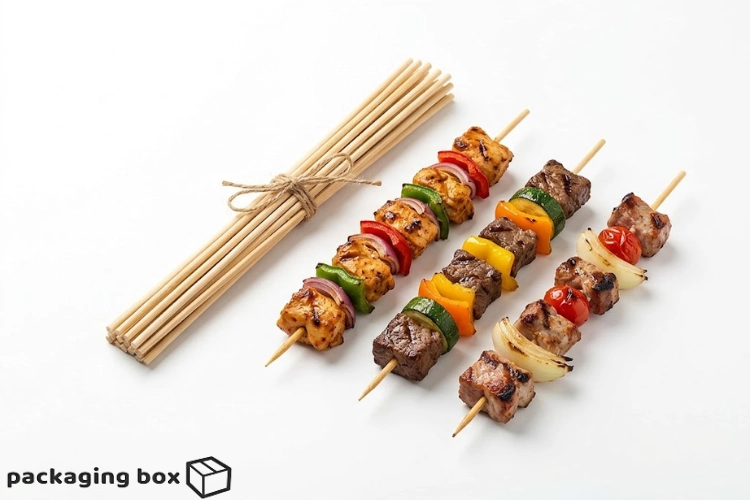

Nothing signals a great BBQ night quite like the smell of marinated meat sizzling over open flame, threaded neatly onto wooden BBQ skewers. But here’s the part most home cooks and restaurant owners overlook: not every wooden skewer sold in the market is actually safe for direct food contact. Choosing genuine food-grade wooden skewers isn’t just a matter of preference — it’s a matter of health, hygiene, and even the taste of your final dish. In this guide, we’ll walk through everything you need to know before you pick up your next pack of skewers, from material quality to soaking techniques, so your BBQ stays both delicious and safe.
🔥 Why Wooden BBQ Skewers Are a Grill Master’s Best Friend
There’s a reason wooden skewers remain a staple in kitchens across Pakistan and beyond, from street-side tikka stalls to premium restaurant kitchens. They’re lightweight, biodegradable, affordable, and — when sourced correctly — completely safe for high-heat cooking. Unlike metal skewers, wood doesn’t retain heat long after grilling, which means fewer accidental burns when guests reach in for their kebabs.
Beyond convenience, wooden skewers also bring a rustic, authentic presentation to the table. Whether you’re running a cloud kitchen, a BBQ restaurant, or hosting a weekend family grill session, these humble sticks quietly do a lot of heavy lifting. That said, their real value only shows up when the wood itself meets proper food safety standards — which brings us to the next big question.
🧐 What Makes a Skewer Truly “Food-Grade”?
The term “food-grade” gets thrown around loosely, but it actually refers to a specific set of standards. A genuinely food-grade wooden skewer is made from untreated bamboo sticks or natural wood that hasn’t been chemically processed, bleached, or coated with anything that could leach into your food under heat.
Here’s what separates a certified product from a risky one:
- No artificial dyes, varnishes, or adhesives used during manufacturing
- Compliance with FDA-approved food contact materials guidelines or equivalent local food safety certifications
- Smooth, splinter-free surface with no visible mold, discoloration, or chemical odor
- Consistent thickness and grain quality across the batch
If a supplier can’t confirm these details, it’s worth asking more questions before buying in bulk — especially for commercial kitchens where consistency across hundreds of skewers matters just as much as safety.
🌾 Bamboo vs Natural Wood: Which Material Wins?
This is where most buyers get confused, because “bamboo skewers” and “wooden skewers” are often used interchangeably even though they behave a little differently on the grill. Bamboo tends to be denser and slightly more flexible, which makes it excellent for threading through tougher cuts of meat without snapping. Natural hardwood, on the other hand, offers a bit more rigidity and a subtly different burn pattern when exposed to direct flame.
Below is a quick comparison to help you decide which material suits your grilling style best.
| Feature | Bamboo Skewers | Natural Wood Skewers | Metal Skewers |
|---|---|---|---|
| Heat resistance | Moderate (needs soaking) | Good, slightly better | Excellent |
| Flexibility | High, less breakage | Moderate | Rigid |
| Eco-friendliness | Fully biodegradable | Fully biodegradable | Reusable, not disposable |
| Cost per use | Very low | Low | Higher upfront |
| Best for | Kebabs, small cuts | Thicker meat chunks | Heavy-duty grilling |
As the table shows, the “best” choice really depends on your use case. Street food vendors and event caterers usually lean toward bamboo for its cost efficiency, while home grillers experimenting with thicker cuts sometimes prefer sturdier natural wood.
📏 Skewer Thickness, Length & Design: Getting the Fit Right
It’s easy to assume all skewers are basically the same, but thickness and length play a bigger role than most people realize. Thin skewers work beautifully for delicate items like shrimp, mushrooms, or bite-sized vegetables, but they can snap under the weight of denser meat like beef or mutton chunks. Thicker skewers, usually between 4mm and 6mm in diameter, are far more reliable for hearty kebabs and mixed grill platters.
Length matters just as much. A 6-inch skewer suits smaller appetizer-style servings, while 10 to 12-inch skewers are better suited for full-size BBQ platters meant for sharing. If you’re running a restaurant or catering business, keeping a mix of both sizes on hand gives you flexibility depending on the menu item — a small detail that noticeably improves presentation and customer experience.
🔍 Signs of Low-Quality Wooden Skewers (Red Flags to Avoid)
Not every pack of skewers on the shelf is created equal, and spotting a poor-quality batch early can save you from a ruined BBQ session or worse, a food safety complaint. Watch out for these warning signs before you buy:
- Rough, splintery surfaces that catch on skin or fabric
- Uneven coloring or a chemical-like smell straight out of the packaging
- Skewers that bend easily or snap under light pressure
- Packaging with no origin, certification, or manufacturer details
If you notice several of these together, it’s usually a sign the batch was mass-produced without proper quality checks. Reliable wood splinters prevention starts at the sourcing stage — a well-finished skewer simply shouldn’t leave rough edges behind after grilling.
💧 Soaking Skewers Before Grilling: The Secret Step Most People Skip
Here’s a question that comes up constantly: how long should you soak wooden skewers before grilling? The general rule is 20 to 30 minutes in room-temperature water, though some grill enthusiasts prefer soaking overnight for extra protection against burning. This simple step dramatically improves the heat resistance of wooden skewers, preventing them from charring too quickly and potentially compromising food safety midway through cooking.
Skipping this step doesn’t just risk burnt sticks — it can also lead to uneven cooking, since the meat closest to a scorched skewer often cooks unevenly compared to the rest of the kebab. It’s a two-minute habit that makes a noticeable difference in both texture and presentation.
🆚 Wooden Skewers vs Metal Skewers: Safety Showdown
The wood-versus-metal debate isn’t really about which is “better” overall — it’s about which is better for your specific situation. Metal skewers conduct heat extremely well, which speeds up cooking from the inside out, but that same heat retention means they stay dangerously hot long after leaving the grill, posing a real burn risk for kids or unsuspecting guests.
Wooden skewers, especially properly soaked ones, cool down almost immediately once removed from heat. They’re also disposable, which eliminates the cross-contamination risk that comes with reusing metal skewers between raw and cooked batches without thorough cleaning. For high-turnover commercial kitchens, this single-use convenience often outweighs the reusability benefits of metal.
♻️ Reusable vs Disposable Skewers: Which Suits Your Kitchen?
For home use, reusable wooden or bamboo skewers can be washed and reused a handful of times before they start showing wear. But for restaurants, food trucks, and catering businesses, disposable wooden skewers are almost always the smarter choice — they eliminate cleaning labor, reduce cross-contamination risk, and keep costs predictable per serving.
If you’re setting up a commercial BBQ menu or planning a large event, browsing a dedicated collection of eco-friendly cutlery and grilling accessories can help you standardize your entire setup, from skewers to serving trays, in one go.
👶 Safety Tips for Kids’ BBQ Parties
Family BBQ nights often bring kids around the grill, which raises a fair question: are wooden skewers safe for kids’ parties? Generally, yes — but a few precautions go a long way. Always trim sharp pointed ends before serving to younger children, or better yet, transfer grilled items onto a plate rather than letting kids hold the skewer directly. Choosing shorter, thicker skewers also reduces the risk of accidental pokes during active outdoor gatherings.
For added convenience during family events, pairing skewers with sturdy wooden serving trays keeps the presentation clean and makes it easier to monitor how much food kids are grabbing at once.
🛍️ Where to Buy Certified Food-Safe Skewers in Pakistan
Sourcing genuinely certified, food-grade wooden skewers locally can be surprisingly tricky, since many low-cost imports skip proper quality documentation entirely. If you’re looking for a reliable option, our own range of food-grade wooden BBQ skewers is manufactured with untreated, splinter-free wood and packaged under proper hygiene standards — ideal for both home use and commercial kitchens.
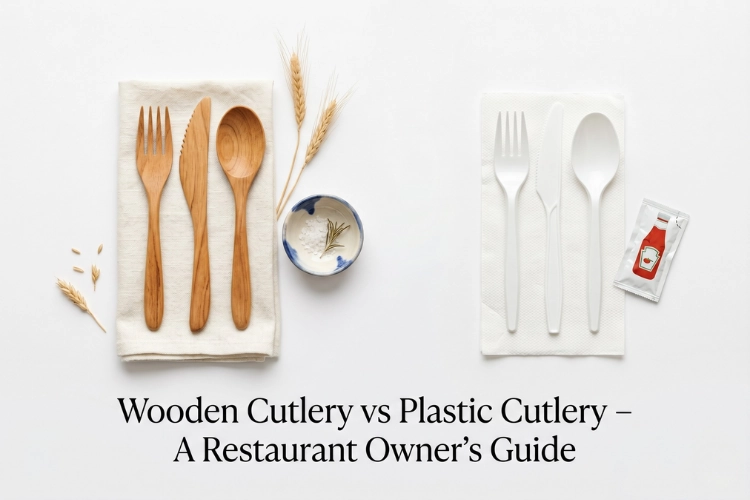
Beyond skewers, if you’re building out a complete eco-conscious kitchen setup, it’s worth comparing our detailed breakdown on wooden cutlery vs plastic cutlery for restaurants, which covers similar sourcing considerations. Cafes and cloud kitchens looking to expand their disposable range might also find value in our guide on eco-friendly cafe cutlery setups, or our piece explaining what makes a birchwood spork a smart eco-cutlery choice.
For businesses still comparing suppliers, our resource on finding reliable eco-friendly cutlery suppliers in Pakistan breaks down what to look for beyond just price. And if skewers are just one part of a bigger packaging overhaul, our guide on choosing the right food packaging in Pakistan and our roundup of the best food packaging solutions for restaurants and cloud kitchens are worth bookmarking.
✅ Quick Buying Checklist for BBQ Skewers
Before you finalize your next bulk order, run through this short checklist to avoid common buying mistakes:
- Confirm the wood is untreated and free from chemical coatings
- Check thickness matches your typical meat or vegetable load
- Ask for certification or food-safety documentation from the supplier
- Inspect a sample batch for splinters or uneven finishing
- Choose disposable skewers for commercial, high-turnover use
This kind of quick due diligence takes only a few minutes but prevents far bigger headaches down the line — whether that’s a customer complaint or a wasted bulk order.
🎯 Final Thoughts
Choosing the right wooden BBQ skewers really comes down to paying attention to a few overlooked details: material quality, proper thickness, soaking habits, and verified food-safety sourcing. It’s a small investment of attention that pays off in both food safety and the overall grilling experience, whether you’re feeding a family of four or running a full-scale BBQ menu for hundreds of customers weekly.
If you’re ready to upgrade your grilling setup with skewers that actually meet food-grade standards, explore our certified wooden BBQ skewers collection and pair them with the right serving accessories to complete your setup for the next big cookout.
❓ Frequently Asked Questions
Are wooden skewers safe for grilling? Yes, as long as they’re made from untreated, food-grade wood or bamboo and properly soaked before use. Certified skewers pose no health risk during grilling.
How to identify food-grade wooden skewers? Look for smooth, splinter-free wood with no chemical odor, consistent color, and manufacturer documentation confirming compliance with food safety standards.
What is the best material for BBQ skewers? Bamboo works best for smaller, delicate items due to its flexibility, while thicker natural wood suits heavier meat chunks. Metal is ideal for reusable, heavy-duty grilling.
Do wooden skewers burn on the grill? They can char if not soaked beforehand. Soaking wooden skewers in water for 20–30 minutes significantly reduces burning during cooking.
How long should you soak wooden skewers before grilling? Most experts recommend soaking for at least 20 to 30 minutes, though soaking overnight offers extra protection for longer grilling sessions.
Are wooden skewers safe for kids’ BBQ parties? Yes, provided sharp ends are trimmed and food is transferred to plates for younger children to avoid accidental pokes.









💬 0 Comments
Leave a Comment