
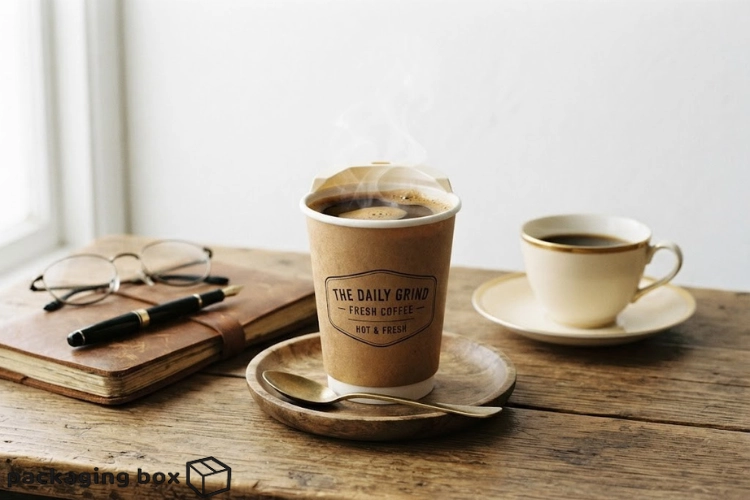

You order the exact same coffee from your favorite café two days in a row. One day you drink it in a ceramic mug at the counter, the next day you grab it to-go in a paper cup. Somehow, it just doesn’t taste the same. If you’ve ever wondered why does coffee taste different in a disposable cup, you’re not imagining things — and you’re definitely not alone.
This isn’t a coincidence or a trick of your mood. There’s real science behind it, involving chemistry, material engineering, temperature retention, and even how your brain processes smell and taste together. In this article, we’re going to unpack exactly what’s happening inside that cup — and why the vessel you drink from can matter almost as much as the coffee itself.
☕ The Real Reason Behind Disposable Cup Coffee Taste Difference
Let’s get straight to it: coffee taste isn’t determined by the coffee alone. It’s a combination of aroma, temperature, texture, and the subtle chemical interaction between the liquid and its container.
It’s Not Just in Your Head — The Science of Taste Perception
Taste is only part of the experience. Roughly 80% of what we perceive as “flavor” actually comes from smell, not taste buds alone. When coffee sits in a cup, volatile aroma compounds interact with the cup’s surface, and depending on the material, they either stay locked in or start reacting with the container itself.
This is the foundation of the disposable cup coffee taste difference — it’s a sensory phenomenon backed by real chemistry, not just perception.
Material Matters More Than You Think
Every cup material — paper, plastic, foam, ceramic, or glass — interacts differently with hot liquid. Some materials are chemically neutral. Others release trace compounds when exposed to heat. This single factor answers the question does cup material affect coffee taste almost on its own.
🧪 Coffee Taste in Paper Cup vs Plastic Cup vs Ceramic Mug
To really understand the flavor shift, let’s break down how each common material behaves.
Paper Cup Coffee Flavor — The Wax and PE Lining Effect
Most paper coffee cups aren’t pure paper. They’re lined with a thin layer of polyethylene (PE) or, in older/cheaper designs, a wax lining to make them leak-proof.
Here’s what happens:
- Hot coffee softens this lining slightly.
- The lining can impart a faint plastic-like or waxy undertone.
- Thinner, low-quality linings intensify this effect.
- Higher-grade double-wall paper cups reduce direct contact time and heat transfer, minimizing flavor interference.
This is exactly why premium cafés invest in better-quality cups — like insulated double-wall paper coffee cups, which are designed to protect flavor while keeping drinks hot longer.
Why Coffee Tastes Bad in Plastic Cup
Plastic cups are one of the biggest culprits when it comes to why coffee tastes bad in plastic cup scenarios. Here’s why:
- Plastic reacts more noticeably to heat than paper or ceramic.
- Certain plastics can release a subtle chemical taste when exposed to hot liquids.
- Plastic doesn’t retain heat well, so coffee cools unevenly, altering flavor perception as it drinks.
Plastic is generally far better suited for cold beverages — which is exactly why products like cold drink cups are designed specifically for iced drinks, not hot coffee.
Styrofoam Cup Coffee Taste — Foam Chemicals Explained
Styrofoam (expanded polystyrene) cups have long been debated. While they insulate heat well, they’ve raised concerns due to:
- Potential styrene compound transfer at high temperatures.
- A faint “foam” aftertaste some drinkers report.
- Environmental persistence, since foam isn’t biodegradable.
This is one reason the food packaging industry has steadily shifted away from foam toward paper and PLA-based alternatives.
Ceramic Mug — The Gold Standard
Ceramic is chemically inert. It doesn’t react with heat, doesn’t absorb odors easily, and doesn’t alter the coffee’s chemistry at all. This is why coffee tastes better in ceramic mug almost universally, across every barista and coffee enthusiast survey.
🔬 Does Cup Material Affect Coffee Taste? Breaking Down the Chemistry
Let’s go a layer deeper into the actual coffee cup material comparison from a chemistry standpoint.
Polyethylene Lining Coffee Cup Explained
Polyethylene is food-safe and widely used, but it isn’t flavor-neutral under heat. At higher temperatures (above 70°C, which most coffee exceeds), PE linings can very slightly soften, subtly affecting the liquid’s surface interaction. It’s minor — but sensitive palates notice it.
BPA and Chemical Leaching Concerns
While most modern disposable cups are BPA-free, older or lower-quality plastic products may still raise concerns. The BPA effect on coffee taste debate isn’t just about flavor — it’s also tied to health-conscious consumer behavior, pushing brands toward safer materials.
Coffee Cup Coating Chemicals — What You’re Really Drinking
Beyond the base material, many cups use coatings for:
- Grease resistance
- Water resistance
- Print adhesion (for branded cups)
These coatings, when combined with hot liquid, are part of the invisible chemistry happening every time you sip from a to-go cup.
🌡️ Beyond Material — Other Factors That Change Coffee Taste in To-Go Cup
Material isn’t the only variable. Several physical factors influence coffee taste in to-go cup experiences.
Cup Shape and Coffee Flavor — Does Geometry Matter?
Believe it or not, shape plays a role:
- Wider openings release more aroma, enhancing perceived flavor.
- Narrow sipping holes (common in lidded to-go cups) restrict aroma exposure to your nose.
- This is part of why the same coffee smells and tastes “flatter” through a lid.
Insulated Cup Coffee Temperature — Heat Retention Effect
Temperature dramatically affects taste perception:
- Coffee that’s too hot numbs your taste buds temporarily.
- Coffee that cools unevenly (common in single-wall cups) tastes bitter or flat sooner.
- Well-insulated cups maintain a more consistent, drinkable temperature throughout.
This is precisely the debate covered in our detailed comparison: Ripple Cup vs Double Wall Cup – Insulation Comparison, and further explored in Double Wall vs Single Wall Coffee Cup – Which Is Worth It?
Coffee Cup Smell Absorption — The Memory Effect
Cups can retain odors from previous use or from their manufacturing materials (cardboard, adhesives, printing inks). Even trace smells can subtly shift how fresh or “clean” your coffee tastes.
🏆 Best Cup for Coffee Taste — What Cafes and Coffee Lovers Should Choose
If you’re a café owner, cloud kitchen, or simply a coffee lover who wants the best experience, here’s a practical breakdown:
| Cup Type | Flavor Impact | Best Use Case |
|---|---|---|
| Ceramic Mug | Neutral, best flavor retention | Dine-in service |
| Double-Wall Paper Cup | Minimal flavor interference, great heat retention | Takeaway hot coffee |
| Single-Wall Paper Cup | Slight flavor change, faster heat loss | Quick, short-duration drinks |
| Plastic Cup | Noticeable flavor shift with hot liquid | Cold beverages only |
| Foam (Styrofoam) | Possible aftertaste | Not recommended for coffee |
For cafés serious about coffee taste retention, upgrading to high-quality cups makes a measurable difference. Options like the 8oz Customize Coffee Cup and 12oz Customize Coffee Cup combine branding opportunities with better flavor protection — solving two business problems at once.
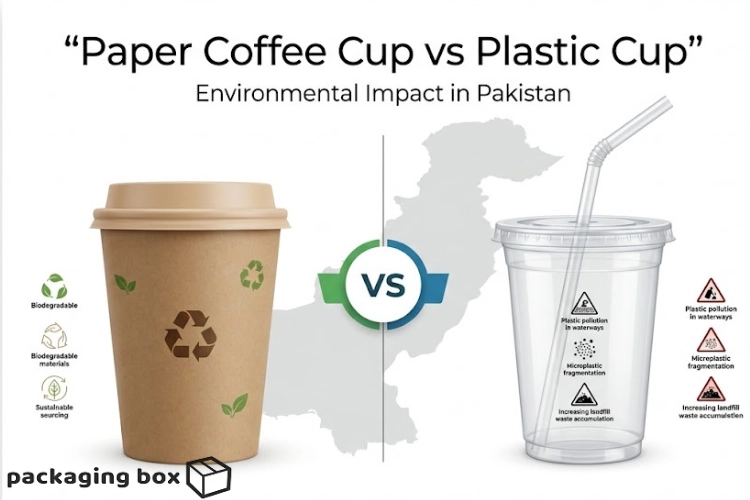
If sustainability is also a priority, it’s worth exploring our guide on Eco-Friendly Coffee Cups: Sustainable Choices, which covers biodegradable linings that reduce chemical interaction even further.
🧠 Coffee Cup vs Mug Taste Test — What Studies and Baristas Say
Informal blind taste tests conducted by baristas and coffee reviewers consistently show a pattern:
- Coffee in ceramic mugs scores highest for smoothness and aroma clarity.
- Double-wall paper cups come in a close second, especially when cups are high-grade.
- Single-wall plastic or foam cups consistently score lowest, with testers noting “off” notes or a muted flavor profile.
This aligns with what sensory scientists call coffee taste factors psychology — where visual cues (a proper mug feels premium) combine with genuine chemical differences to shape the overall experience.
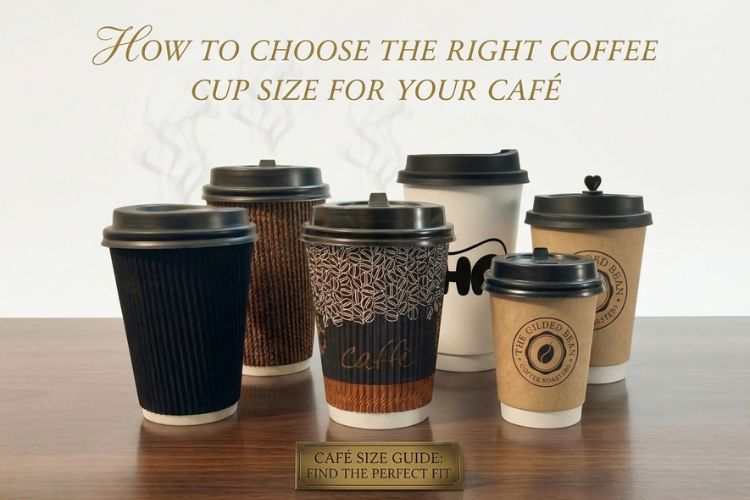
For cafés trying to decide on the right serving size alongside cup quality, our guide on How to Choose the Right Coffee Cup Size for Your Café is a great next read.
🎯 Key Takeaways
Here’s what it all comes down to:
- Material matters: Paper, plastic, foam, and ceramic each interact differently with hot coffee.
- Chemistry is real: Polyethylene linings, coatings, and plastic compounds can subtly alter flavor under heat.
- Physical factors count too: Cup shape, insulation, and smell absorption all shape your final taste experience.
- Quality cups protect flavor: Double-wall, well-lined paper cups significantly outperform basic plastic or foam options.
- Ceramic remains the benchmark: For pure, unaltered coffee flavor, nothing beats a ceramic mug — but a high-quality disposable cup comes remarkably close.
So the next time your takeaway coffee tastes slightly “off” compared to your café mug, you’ll know exactly why — and more importantly, what to look for next time.
✅ Final Thoughts & Call to Action
Understanding why does coffee taste different in a disposable cup isn’t just an interesting food-science fact — it’s genuinely useful knowledge, whether you’re a coffee enthusiast chasing the perfect sip or a café owner trying to protect your brand’s flavor reputation.
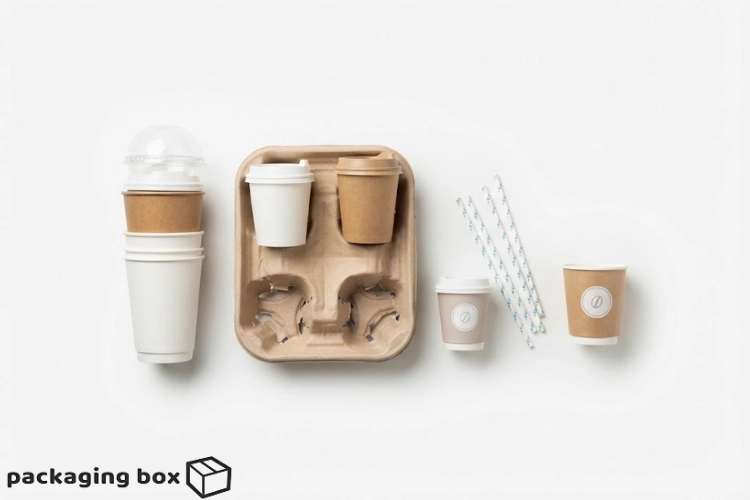
If you run a café, restaurant, or cloud kitchen and want to eliminate flavor loss from cheap or low-quality cups, it’s time to upgrade your packaging. Explore our full range of premium coffee cups and coffee cup carriers built specifically to preserve taste, maintain temperature, and elevate your customer’s experience — one cup at a time.
❓ Frequently Asked Questions
Does the cup you drink coffee from actually matter?
Yes. Cup material directly affects aroma retention, temperature consistency, and chemical interaction with hot liquid — all of which influence perceived flavor.
Why does coffee taste better in a ceramic mug?
Ceramic is chemically inert and doesn’t react with heat, so it doesn’t introduce any flavor compounds, unlike plastic or foam cups.
Are there chemicals in disposable coffee cups?
Most disposable cups use polyethylene linings or protective coatings. While generally food-safe, these materials can subtly interact with hot coffee under heat.
Does BPA affect coffee taste?
Modern cups are largely BPA-free, but older or lower-quality plastic cups may still cause both taste and health concerns when exposed to hot beverages.
What’s the best cup for preserving coffee taste on the go?
High-quality, double-wall insulated paper cups offer the best balance of taste preservation, heat retention, and convenience for takeaway coffee.
Why does coffee taste different in different cups?
Differences in material, lining, shape, insulation, and even prior odor absorption all contribute to noticeable flavor variation between cup types.






💬 0 Comments
Leave a Comment