
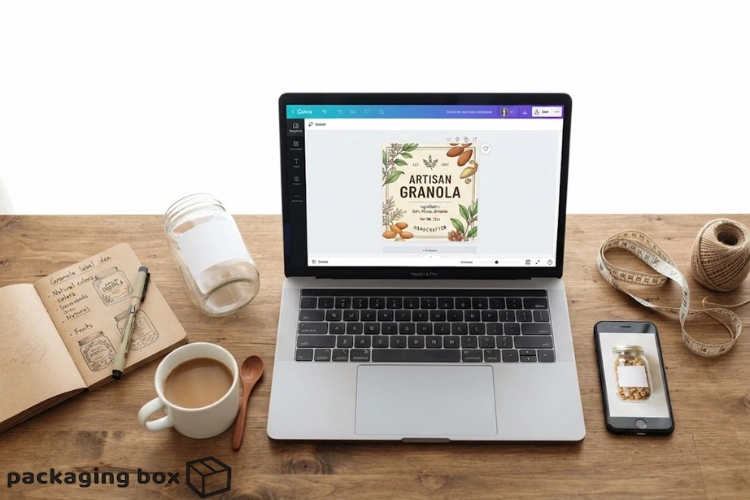

If you have ever stared at a blank Canva canvas wondering how to design a food label at home that actually looks professional, you are not alone. Thousands of home bakers, pickle makers, and small food entrepreneurs across Pakistan face this exact challenge every single day. The good news is that designing a food label at home is far simpler than it looks once you understand the right structure, tools, and legal requirements involved. This guide walks you through everything step by step, so by the end you will have the confidence to create a label that looks store-bought, builds trust with customers, and keeps your product fully compliant.
Food labeling is often treated as an afterthought, something to slap together right before a product goes out the door. But in reality, your label is the very first impression a customer forms about your brand. It tells them what they are eating, whether it’s safe, and whether your business feels trustworthy enough to buy from again. Let’s break this down properly, starting with why this small design decision carries so much weight.
🎯 Why Food Label Design Matters More Than You Think
A food label does far more than list ingredients. It acts as a silent salesperson, working on your behalf every time a product sits on a shelf or arrives at someone’s doorstep. Good food packaging label design builds instant credibility, while a poorly designed one can make even the tastiest homemade product look unreliable or unsafe.
Think about the last time you picked up a product with a shaky handwritten label versus one with a clean, printed design. Chances are, the clean one felt more trustworthy, even if both products were identical in quality. This is the psychology of DIY food label design at play — customers judge quality based on presentation before they even taste the product.
There’s also a legal angle to consider. Depending on where you sell, your homemade food label design may need to meet specific requirements around nutrition facts, allergens, and expiry information. Skipping these details isn’t just a design oversight; it can create real compliance issues down the line. That’s exactly why learning how to make a food label properly, right from the start, saves you time, money, and potential headaches later.
📋 What Every Food Label Must Legally Include
Before jumping into design software, it helps to understand the non-negotiable elements that belong on almost every food label, regardless of your product type. These elements form the backbone of food label requirements and are consistently referenced in FDA food labeling guidelines, which many regions use as a benchmark even outside the United States.
Here are the core components your label should always contain:
- Product name that clearly describes what’s inside the package
- Nutrition facts label showing calories, fats, proteins, and other key values
- Ingredient list written in descending order of quantity
- Allergen information highlighting common allergens like nuts, dairy, or gluten
- Expiry date label or best-before date for freshness tracking
- Net weight and batch number for traceability
- Manufacturer details including business name and contact information
Including these elements isn’t just about ticking boxes for food label compliance. It genuinely helps your customers make informed decisions, and it protects your business if any product-related questions ever arise. If you are running or planning to launch a homemade food business, taking food label requirements seriously from day one builds a foundation of trust that pays off as your brand grows.
🛠️ Tools You Need to Design a Food Label at Home
Once you understand what information needs to go on your label, the next question becomes: what food label design software should you actually use? Thankfully, you don’t need expensive software or professional design training to create something polished.
Beginner-Friendly Design Tools
For most home-based food businesses, Canva remains the most popular choice. It offers a massive library of pre-made templates, including dedicated Canva food label template options that you can customize in minutes. Simply search for “food label,” pick a style that matches your brand personality, and swap in your own text, colors, and logo.
Advanced Design Software
If you’re comfortable with more technical tools or want complete creative control, Adobe Photoshop and Adobe Illustrator are industry standards. Illustrator in particular is excellent for creating scalable vector designs, which means your label will look crisp whether printed small on a jar or large on a box.
Dedicated Label Makers
There are also specialized tools built specifically for creating labels, often called a food label maker, which come preloaded with nutrition fact templates and compliance-ready layouts. These are especially useful if you want to avoid manually calculating nutritional values from scratch.
| Tool | Best For | Skill Level | Cost |
|---|---|---|---|
| Canva | Quick templates, beginners | Easy | Free / Low-cost Pro |
| Adobe Illustrator | Custom vector designs | Intermediate–Advanced | Paid subscription |
| Adobe Photoshop | Photo-based or textured labels | Intermediate | Paid subscription |
| Dedicated Label Maker Software | Nutrition facts automation | Easy | Free / Paid versions |
Whichever tool you choose, the key is consistency. Pick one platform, learn its basics well, and stick with it as your product line grows. Switching tools constantly tends to slow down your workflow more than it helps.
🎨 Step-by-Step: How to Design a Food Label at Home
Now comes the part you’ve been waiting for — the actual process of designing food label at home from start to finish. Follow these steps in order, and you’ll end up with a clean, professional, and compliant design.
Step 1: Define Your Brand Identity First Before opening any software, decide on your brand colors, logo, and overall tone. A rustic honey brand feels different from a modern protein snack brand, and your label should reflect that personality immediately.
Step 2: Choose the Right Label Size and Shape Measure your packaging carefully. Whether you’re labeling a jar, a pouch, or a box, the label dimensions need to fit without covering important parts of the packaging or looking cramped.
Step 3: Select or Customize a Template Open your chosen food label template in Canva, Illustrator, or your preferred software. Adjust the layout to match your product category — beverages, snacks, and condiments often follow slightly different visual conventions.
Step 4: Add Required Legal Information Insert the nutrition facts label, ingredient list, allergen information, and expiry date label in clearly readable fonts. Avoid tiny text sizes that strain the eyes; compliance only matters if the information is actually legible.
Step 5: Incorporate Branding Elements Add your logo, tagline, and consistent color palette. This is where custom food label design truly comes alive, turning a functional label into a recognizable brand asset.
Step 6: Proofread Everything Twice Typos on food labels are surprisingly common and instantly reduce customer trust. Double-check spelling, nutritional values, and contact details before moving to printing.
Step 7: Export in Print-Ready Format Save your design as a high-resolution PDF or PNG with proper bleed settings if your printer requires them. This ensures sharp, professional results once printed.
Each of these steps builds on the last, which is why rushing through any single stage usually shows up as a flaw somewhere else in the final product. Patience here genuinely pays off.
💡 Food Label Design Ideas for Small Businesses
If you’re searching for food label design ideas that help your product stand out on a crowded shelf, a few creative directions tend to perform particularly well for home-based brands.
Minimalist designs with plenty of white space often feel premium and modern, which works beautifully for health-focused products like granola or cold-pressed juices. On the other hand, warm, textured designs with kraft-style backgrounds suit traditional or artisanal products like pickles, jams, and baked goods — giving them an authentic, handmade feel that resonates with customers looking for something homemade rather than mass-produced.
Color psychology also plays a quiet but powerful role. Green tones often signal freshness and natural ingredients, while gold and black combinations tend to communicate premium quality. Choosing colors that align with your product’s story makes your food label design feel intentional rather than random.
For small businesses just starting out, consistency across your entire product line matters more than chasing elaborate designs. A simple, repeatable layout that you can quickly adapt for new flavors or sizes will save enormous time as your business grows, which is a core principle behind effective food label design for small business branding.
🖨️ Printing Your Food Label at Home
Designing the label is only half the journey; label printing at home is where many home businesses either succeed or struggle. The right printer and paper combination makes a noticeable difference in how professional your final product looks.
For low-volume production, a standard inkjet or laser printer paired with waterproof, adhesive label sheets works well for most dry or room-temperature products. If you’re labeling anything exposed to moisture, condensation, or refrigeration, investing in a proper label printer for food products with water-resistant ink becomes essential, since regular ink tends to smudge or fade quickly in humid conditions.
Here’s a practical tip that often gets overlooked: always print a single test label before running a full batch. Check how the colors appear on actual paper (screen colors and printed colors frequently differ), confirm that your text remains readable at actual size, and make sure your barcode for food products, if included, scans correctly before committing to large quantities.
⚠️ Common Mistakes to Avoid When Designing Food Labels
Even with the right tools, a few recurring mistakes tend to trip up first-time label designers. Overcrowding the label with too much text or too many colors is one of the most common issues, often making important information harder to find rather than easier. Another frequent problem is using fonts that look stylish but become nearly impossible to read at small sizes, particularly for nutrition facts and ingredient lists.
Many home businesses also skip allergen warnings entirely, assuming their product doesn’t need one, only to realize later that even trace cross-contamination requires disclosure. Lastly, printing on low-quality paper without water resistance leads to smudged, unprofessional-looking labels that undermine all the design effort put in beforehand. Avoiding these pitfalls early saves both reprinting costs and potential customer trust issues.
📦 Pairing Your Label with the Right Packaging
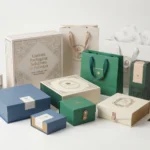
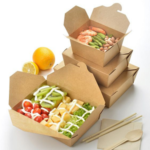
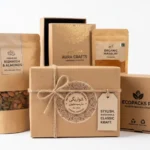
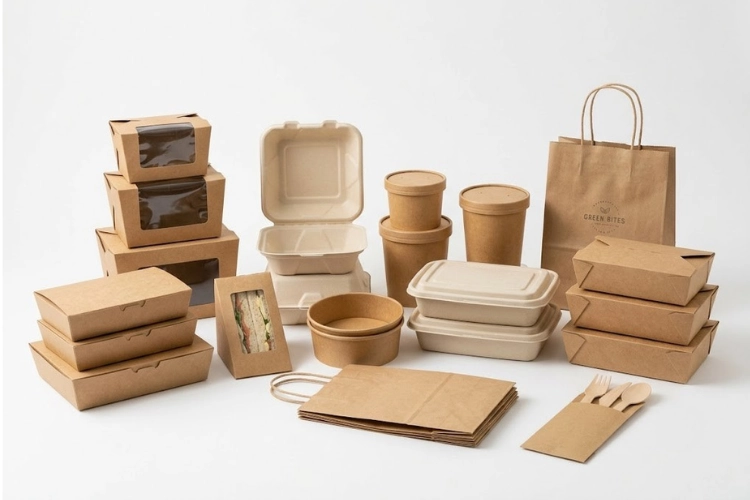
A beautifully designed label still needs the right surface to shine on. This is where choosing suitable packaging becomes just as important as the label itself. For homemade snacks, cookies, and dry goods, custom kraft food boxes offer a warm, natural aesthetic that pairs wonderfully with rustic label designs.
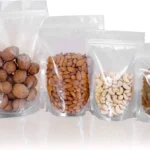
If you’re packaging liquids, powders, or granular products like coffee, spices, or protein powders, exploring options like kraft standup pouches gives your product a modern, resealable presentation that also protects freshness far better than basic bags. For dry snacks or bakery items where branding visibility matters, kraft paper bags with custom print allow your label and packaging to work together as one cohesive branding system rather than two separate elements fighting for attention.
Not sure which packaging format actually suits your specific product? This detailed guide on how to choose the right food packaging breaks down the decision based on product type, shelf life, and budget — helping you avoid costly trial-and-error later.
✅ Food Label Compliance & Legal Checklist
Before finalizing your design, run through this quick compliance checklist to confirm you haven’t missed anything critical.
| Checklist Item | Why It Matters |
|---|---|
| Nutrition facts included | Required for consumer transparency |
| Ingredient list in correct order | Legal requirement in most regions |
| Allergen warnings visible | Protects customers with sensitivities |
| Expiry/best-before date printed | Ensures food safety and freshness |
| Net weight clearly stated | Required for accurate pricing/measurement |
| Contact/manufacturer details | Builds accountability and trust |
| Barcode (if applicable) scans correctly | Needed for retail/e-commerce sales |
Running your design against this list before printing in bulk can save you from costly reprints and potential compliance issues once your product reaches store shelves or online marketplaces.
🚀 Final Thoughts: Turning DIY Labels into a Real Business Advantage
Learning how to design a food label at home isn’t just a creative exercise — it’s a genuine business skill that directly impacts how customers perceive, trust, and ultimately choose your product. From selecting the right software and understanding legal requirements, to pairing your design with suitable packaging, every decision you make along the way shapes your brand’s first impression.
If you’re serious about growing beyond occasional homemade batches into a structured, scalable brand, it’s worth exploring this complete guide on how to start a packaging business in Pakistan, which covers broader branding and packaging strategy for small food entrepreneurs. And if budget is a concern while scaling up, this resource on affordable food packaging for small businesses offers practical, cost-effective solutions worth considering.
Designing your own food label at home puts creative control, cost savings, and brand authenticity directly in your hands — and with the steps covered in this guide, you now have everything needed to create a design that looks polished, stays compliant, and genuinely represents your brand.
Ready to pair your new label with packaging that matches its quality? Explore our full range of custom food packaging solutions and give your homemade products the professional presentation they deserve.
❓ Frequently Asked Questions
Q1: What software is best for designing a food label at home? Canva is the easiest starting point for beginners thanks to its free templates, while Adobe Illustrator suits users wanting more advanced, custom vector designs.
Q2: Do homemade food products legally require a nutrition facts label? In most regions, yes — especially if the product is sold commercially rather than given away personally. Checking local food label requirements before selling is strongly recommended.
Q3: Can I print food labels at home without a professional printer? Yes, a standard inkjet or laser printer combined with waterproof adhesive label paper works fine for most low-volume home businesses.
Q4: How do I know what size to make my food label? Measure your actual packaging first — whether it’s a jar, pouch, or box — and design your label dimensions to fit comfortably without covering essential packaging details.
Q5: What’s the biggest mistake people make when designing food labels at home? Overcrowding the label with excessive text, colors, or tiny fonts, which makes critical information like allergens and nutrition facts difficult to read.



💬 0 Comments
Leave a Comment