
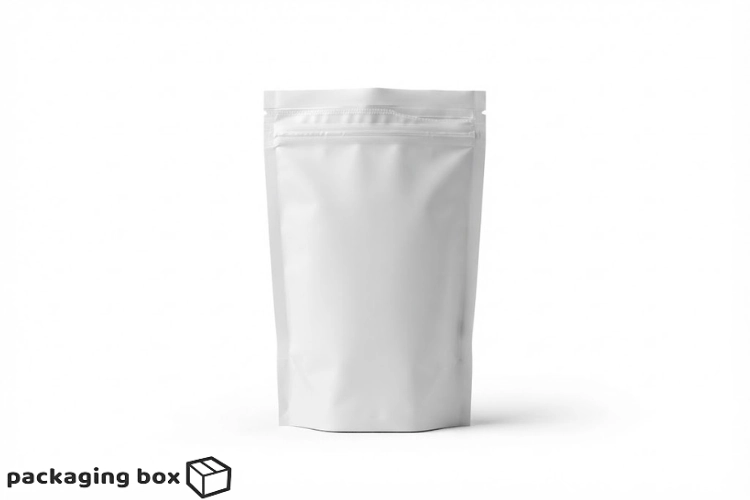

If you’ve ever wondered why almost every modern snack, coffee, or spice bag closes with a satisfying little “zip” sound, you’re already halfway to understanding the topic of this article. A zipper on standup pouch packaging isn’t just a design trend — it’s one of the most functional upgrades in modern flexible packaging. It keeps products fresher for longer, makes everyday use far more convenient, and gives brands a professional, premium look that plain heat-sealed bags simply can’t match. In this guide, we’ll unpack exactly why this small feature carries so much weight, backed by practical examples from real packaging use cases across Pakistan’s food, cosmetic, and retail industries.
Whether you’re a business owner sourcing packaging for the first time or someone simply curious about how packaging design impacts product quality, this article will walk you through the science, the practicality, and the business logic behind the humble zipper.
🧭 What Exactly Is a Standup Pouch, and Why Does It Matter?
Before diving into zippers specifically, it helps to understand the pouch itself. A standup pouch is a flexible packaging format designed to hold its own shape on a shelf without needing an external box or container. Thanks to a gusseted bottom, it stands upright, displays branding beautifully, and takes up far less storage space than rigid packaging. If you’re new to this format entirely, our complete beginner’s guide to standup pouches breaks down the basics in simple terms.
What makes the standup pouch so popular across snacks, coffee, spices, pet food, and even cosmetics is its combination of durability and flexibility. It protects the product from external elements while remaining lightweight and cost-effective to ship. However, a pouch without a proper closure mechanism is only half as useful as it could be — and that’s exactly where the zipper enters the picture. Many Pakistani brands have already shifted toward this format, and you can see how widely adopted stand up pouch packaging in Pakistan has become across different product categories.
🔒 Why a Zipper is Essential on a Standup Pouch
Here’s the core of the matter. A standup pouch with zipper transforms a simple container into a multi-use, resealable packaging solution. Without a zipper, once a bag is opened, it stays open — spilling risk increases, freshness drops rapidly, and the product’s shelf appeal weakens with every use. The zipper mechanism, whether it’s a press-to-close seal or a slider track, solves this problem instantly by letting the end user open and close the pouch as many times as needed, without tools, tape, or clips.
This isn’t a minor convenience feature; it directly affects three things that matter most to any packaged product: freshness, safety, and customer satisfaction. A ziplock standup pouch essentially extends the product’s usable life well beyond the first use, which is something plain pouches simply cannot offer. Think about roasted coffee, dried fruits, or protein powders — these products lose their quality rapidly once exposed to air. The zipper acts as the final line of defense between the product and the environment outside the bag.
There’s also a psychological element at play. Customers associate resealable packaging with quality and modernity. A stand up pouch with zip lock feels more premium in hand compared to a bag that needs to be folded over or clipped shut. This perception directly influences purchase decisions, especially in competitive retail shelves where packaging often becomes the deciding factor between two similar products.
🌬️ Airtight Protection: The Freshness Factor
One of the most measurable benefits of a zipper closure is airtight sealing. When a zipper is properly engineered — using a press-to-close zipper or a slider zipper pouch mechanism — it creates a barrier that keeps oxygen, humidity, and contaminants out of the pouch. This barrier packaging effect is critical for food-grade products where oxidation and moisture exposure directly shorten shelf life.
Consider a bag of ground coffee. The moment it’s exposed to air, the aromatic oils start breaking down, and flavor deteriorates within days. A zipper-equipped pouch allows the user to reseal it airtight after each use, dramatically slowing this degradation process. The same logic applies to spices, tea leaves, protein supplements, and even pet treats. Moisture-proof packaging isn’t just a marketing term here — it’s a functional necessity that directly protects the product’s integrity.
For brands trying to decide between different pouch materials for freshness retention, our detailed shelf life comparison between kraft and aluminum pouches explains how material choice pairs with zipper closures to maximize product longevity. In many cases, combining a strong barrier material with a reliable zipper mechanism gives the best possible protection without inflating packaging costs.
♻️ Reusability and Everyday Convenience
Beyond preserving freshness, a zipper adds genuine day-to-day convenience that customers actually notice and appreciate. Once a product is purchased, the packaging doesn’t just get discarded after one use — it often becomes a mini storage container in the customer’s kitchen or pantry. This is precisely why reusable packaging bags with zippers have grown so popular among households.
Picture a family buying a large bag of rice or dried lentils. If the packaging includes a zipper, that same bag can be reused dozens of times for storage, without needing to transfer the product into a separate container. This single feature increases the perceived value of the packaging itself, turning a disposable wrapper into a functional household item. It’s a subtle but powerful way for brands to stay in the customer’s daily routine long after the initial purchase.
This convenience factor becomes even more relevant for products consumed gradually rather than all at once — nuts, cereals, baby food, or bath salts, for example. If you’re curious about which product categories benefit most from this format, our guide on foods you can store in a standup pouch covers this in detail with practical use cases.
🔧 Types of Zipper Closures Used in Standup Pouches
Not all zippers are created equal, and understanding the differences helps businesses choose the right closure mechanism for their specific product. Here’s a quick breakdown of the most common types used across the packaging industry today.
| Zipper Type | How It Works | Best Suited For |
|---|---|---|
| Press-to-Close Zipper | Simple interlocking ridges sealed by pressing fingers along the track | Snacks, spices, dry food items |
| Slider Zipper | A plastic slider glides along the track to open/close in one motion | Premium coffee, pet food, cosmetics |
| Tamper-Evident Zipper | Includes a perforated tear strip before first use | Pharmaceuticals, supplements, high-value goods |
| Double Track Zipper | Two interlocking seals for extra airtightness | Moisture-sensitive or long-shelf-life products |
Each type serves a distinct purpose, and the right choice often depends on the product’s sensitivity to air exposure, the target customer’s convenience expectations, and the overall branding tone the business wants to project. A slider zipper pouch, for instance, feels more premium and is often used for higher-priced products, while a standard press-to-close zipper works perfectly well for everyday snacks and bulk dry goods.
🍫 Practical Examples Across Real Industries
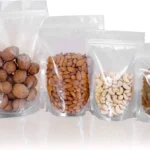
Theory is useful, but seeing how zippers actually function across different product categories makes the benefits far more tangible. In the coffee industry, roasters commonly use a clear zipper stand-up pouch bag to let customers see the roast quality while keeping beans fresh between uses — you can explore this exact style through our clear zipper stand-up pouch bags collection.
In the confectionery and dry fruit segment, brands often prefer a more premium finish. That’s where options like golden clear zipper pouches come in — combining a metallic aesthetic with the same functional zipper closure to protect nuts, dried fruits, and mithai from moisture during festive seasons.
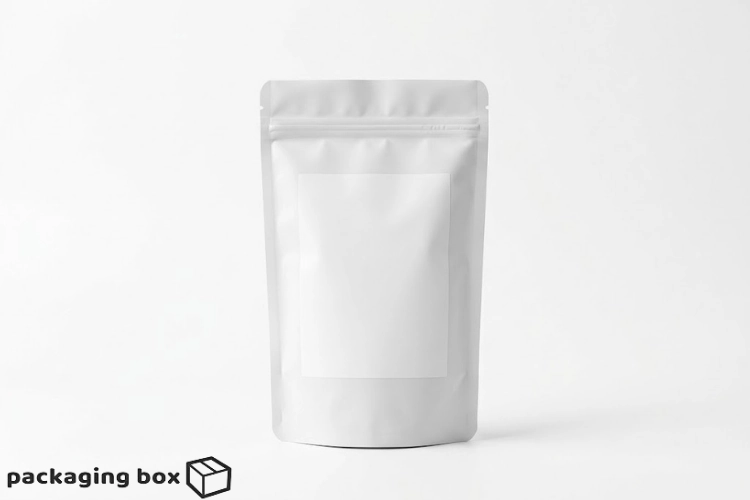
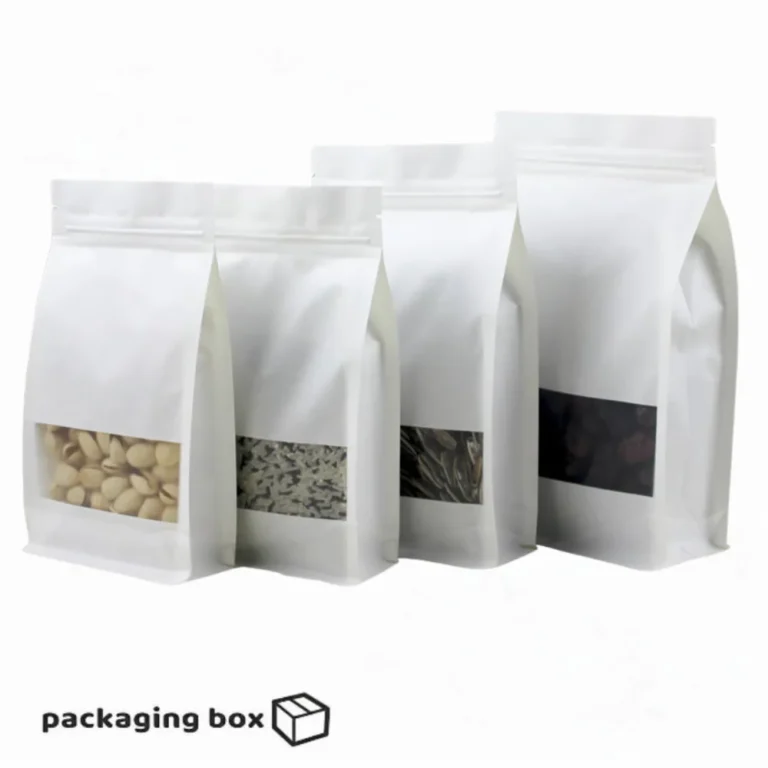
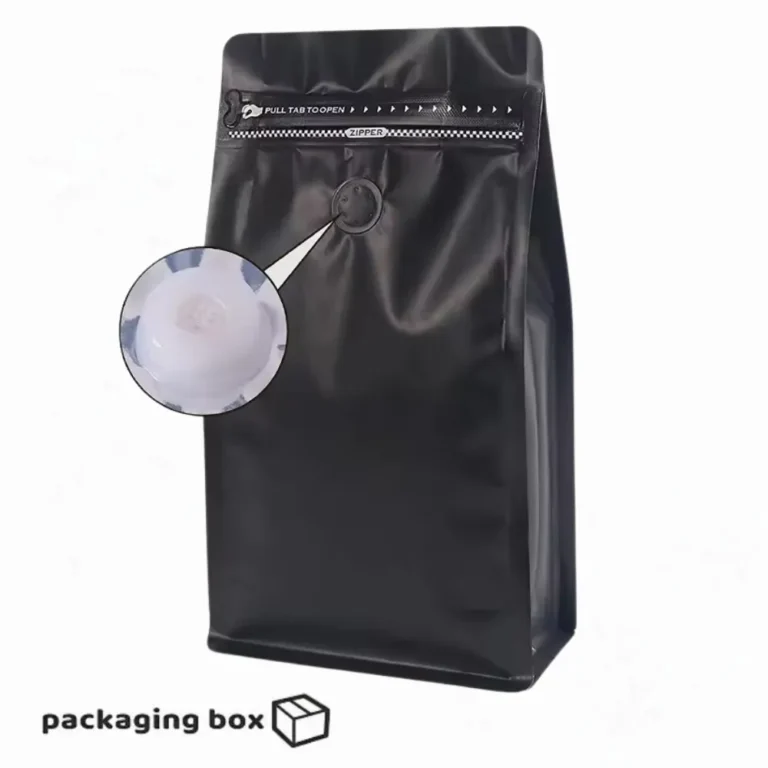
For cosmetic and personal care brands, packaging aesthetics carry significant weight. A black standup pouch with a zipper closure communicates sophistication while still delivering the practical resealing function customers expect. On the other end of the spectrum, brands going for a minimalist, clean look often turn to a white standup pouch, proving that zipper functionality can be paired with virtually any brand identity without compromising performance.
Even in bakery and snack packaging, side-gusseted pouches with zipper closures have become the standard for cookies and bread products that need to stay soft and crumb-free between servings. Across every one of these examples, the underlying principle remains the same — the zipper is doing the heavy lifting of preserving quality long after the initial seal is broken.
🛍️ Custom Standup Pouches with Zipper: What Businesses Should Know
For businesses exploring packaging options, custom standup pouches with zipper closures offer a level of brand control that generic packaging simply can’t match. Beyond just functionality, custom printing allows a brand to communicate its story, ingredients, and value proposition directly on the pouch surface — all while retaining the resealable convenience customers now expect as standard.
When ordering custom zipper pouch packaging, a few practical factors deserve attention. Pouch size should match the product’s typical usage pattern; a bag too large for its contents wastes material and looks unappealing on shelves, while one too small creates handling difficulties. If you’re unsure how to calculate the right dimensions for your product line, our guide on how to choose the right standup pouch size walks through this calculation step-by-step based on product weight and density.
Material selection also plays a role in how well the zipper performs over time. Thicker, multi-layer laminates hold zipper tracks more securely and resist wear from repeated opening and closing, which matters for products with longer consumption cycles. Businesses producing food items, in particular, should prioritize food-grade packaging pouches that meet safety standards while still delivering the airtight seal a good zipper is meant to provide.
For businesses ready to explore ready-made or customizable options, our full range of standup pouches includes multiple zipper styles, materials, and finishes suited to different product categories and budgets.
⚖️ Zipper vs Non-Zipper Standup Pouches: A Quick Comparison
To make the decision-making process easier, here’s a straightforward comparison between pouches with and without zipper closures across the factors that matter most to both businesses and end consumers.
| Factor | With Zipper | Without Zipper |
|---|---|---|
| Freshness Retention | High — airtight reseal after each use | Low — exposed to air once opened |
| Reusability | Excellent — functions as storage container | Poor — often needs clips or tape |
| Perceived Product Value | Premium, modern impression | Basic, disposable impression |
| Ideal Use Case | Multi-use products (coffee, snacks, spices) | Single-use or bulk transfer products |
| Cost Impact | Slightly higher production cost | Lower production cost |
As the table shows, the trade-off is usually a small increase in production cost against a significant gain in customer satisfaction, product longevity, and brand perception — a trade most growing businesses find well worth making.
✅ Choosing the Right Zipper Pouch for Your Product
Selecting the ideal zipper pouch ultimately comes down to understanding your product’s specific vulnerabilities. Moisture-sensitive items like coffee and spices benefit most from double-track or slider zippers that maximize the airtight seal. Products with a shorter shelf life or lower price point often do perfectly well with a standard press-to-close design, keeping production costs lean without sacrificing functional value.
It’s also worth considering how frequently your customers will interact with the packaging after purchase. Products consumed gradually over days or weeks — think protein powders, pet treats, or bulk snacks — justify investing in a more durable zipper mechanism since it will be opened and closed dozens of times. Single-serving or quickly consumed products may not need the same level of zipper durability, allowing businesses to allocate their packaging budget more strategically elsewhere.
Ultimately, the goal is matching the closure mechanism’s performance to the product’s real-world usage pattern, rather than defaulting to the most premium option available simply because it looks impressive on a shelf.
🚀 Final Thoughts: The Small Feature With a Big Impact
At this point, it should be clear that a zipper isn’t just a finishing touch on a standup pouch — it’s a functional necessity that directly protects freshness, extends product usability, and shapes how customers perceive quality. From press-to-close designs on everyday snacks to slider zippers on premium coffee bags, this single closure mechanism quietly does more work than almost any other packaging feature.
For businesses evaluating their packaging strategy, the decision to include a zipper is rarely about aesthetics alone. It’s an investment in customer satisfaction, repeat usage, and ultimately, brand trust. Products that stay fresher, longer, and packaging that customers genuinely want to reuse — that’s the real return on a seemingly small design choice.
If you’re ready to upgrade your packaging with a reliable, resealable zipper closure, explore our complete collection of custom standup pouches with zipper and find the exact style, size, and material that fits your product perfectly.
❓ Frequently Asked Questions
Q1: Why is a zipper important on a standup pouch? A zipper allows the pouch to be resealed after opening, keeping the product airtight, moisture-free, and fresh for a much longer period compared to non-resealable packaging.
Q2: What’s the difference between a press-to-close zipper and a slider zipper? A press-to-close zipper requires manually pressing the track together to seal it, while a slider zipper uses a small plastic slider that glides along the track for a quicker, more premium opening and closing experience.
Q3: Can a zipper standup pouch really extend a product’s shelf life? Yes. By creating an airtight seal after each use, a zipper significantly slows down oxidation and moisture absorption, which are the two biggest causes of reduced shelf life in food products.
Q4: Are zipper standup pouches reusable for storage at home? Absolutely. Many customers reuse zipper pouches as everyday storage containers for dry goods, snacks, or household items long after the original product has been consumed.
Q5: Do custom standup pouches with zippers cost significantly more to produce? The cost increase is generally minor compared to the added value in freshness retention, reusability, and improved customer perception, making it a worthwhile investment for most brands.
Q6: Which industries benefit the most from zipper pouch packaging? Coffee, spices, dried fruits, snacks, pet food, and cosmetic products benefit the most, since these categories are consumed gradually and are highly sensitive to air and moisture exposure.




💬 0 Comments
Leave a Comment