
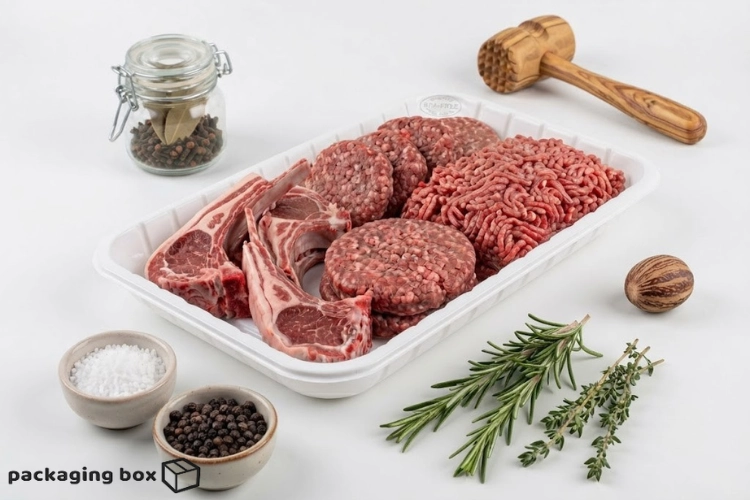

Every time you pick up a pack of chicken, beef, or lamb from a supermarket shelf, you’re trusting that the packaging keeping your food fresh is also keeping your family safe. But here’s the uncomfortable truth — not all meat trays are created equal. For decades, the industry relied on foam and conventional plastic trays loaded with harmful chemicals. Today, food-grade BPA-free meat trays are changing the game entirely, and for very good reason.
From health-conscious consumers to stricter food packaging safety standards, the demand for BPA-free meat packaging is growing faster than ever. Whether you’re a butcher, a supermarket owner, or simply someone who cares about what touches your food — this guide breaks down everything you need to know about why this shift is not just a trend, but a permanent transformation in the world of meat packaging.
🧪 What Is BPA and Why Should You Care?
Before we talk solutions, let’s understand the problem. BPA stands for Bisphenol A — a synthetic chemical compound used in the production of certain plastics and resins since the 1950s.
How Does BPA Leach Into Food?
BPA is not a stable compound. When plastic packaging is exposed to:
- Heat (microwave, sunlight, warm storage)
- Acidic or fatty foods (like raw meat)
- Physical stress (scratching, pressure)
…the BPA molecules break down and migrate directly into the food it’s touching. Raw meat, being naturally moist and fatty, is especially vulnerable to this chemical transfer.
Why Is BPA Harmful in Food Packaging?
Research has consistently linked BPA exposure to serious health concerns:
- Hormonal disruption — BPA mimics estrogen, interfering with the endocrine system
- Increased cancer risk — particularly breast and prostate cancer
- Developmental issues in infants and children
- Cardiovascular problems and metabolic disorders
- Fertility issues in both men and women
This is why hormone disruptor-free packaging has become a non-negotiable demand among health-aware consumers worldwide. The science is clear: BPA has no place in food contact materials safety.
🥩 What Are Food-Grade BPA-Free Meat Trays?
Food-safe meat trays that are BPA-free are manufactured using alternative, certified-safe materials that have been tested and approved for direct food contact. These trays hold, display, and protect raw meat without releasing any harmful chemicals.
What Materials Are Used in BPA-Free Meat Trays?
The most common food-safe plastics used in modern meat packaging trays include:
| Material | Properties | BPA-Free? |
|---|---|---|
| PET (Polyethylene Terephthalate) | Clear, strong, recyclable | ✅ Yes |
| HDPE (High-Density Polyethylene) | Rigid, chemical-resistant | ✅ Yes |
| PP (Polypropylene) | Heat-resistant, durable | ✅ Yes |
| Biodegradable PLA | Plant-based, compostable | ✅ Yes |
| Foam/Polystyrene (EPS) | Cheap, lightweight | ❌ No — contains styrene |
PET food packaging and HDPE food trays are currently the most widely used materials in certified BPA-free packaging for meat. They offer excellent barrier properties, clarity for product visibility, and full compliance with FDA and EU food safety regulations.
What Does “Food-Grade” Mean in Packaging?
A material is considered food-grade when it has been:
- Tested and certified safe for direct food contact
- Free from harmful chemicals like BPA, phthalates, and heavy metals
- Compliant with FDA-approved food packaging standards
- Manufactured under controlled hygienic conditions
Simply put, food-grade = safe for your food, safe for your family.
❌ Are Foam Meat Trays Safe to Use?
This is one of the most common questions — and the answer is no, not really.
Traditional white foam trays (made from expanded polystyrene or EPS) have been the industry standard for decades because they’re cheap and lightweight. But they come with serious drawbacks:
- Styrene leaching — a potential carcinogen that migrates into fatty foods like meat
- Non-recyclable — most recycling facilities don’t accept EPS foam
- Environmental persistence — foam trays take 500+ years to decompose
- Poor barrier properties — they don’t effectively prevent bacterial contamination
- No temperature resistance — they deform under heat, accelerating chemical release
This is exactly why the global packaging industry is rapidly embracing foam meat tray replacement solutions. The shift isn’t just about health — it’s about responsibility.
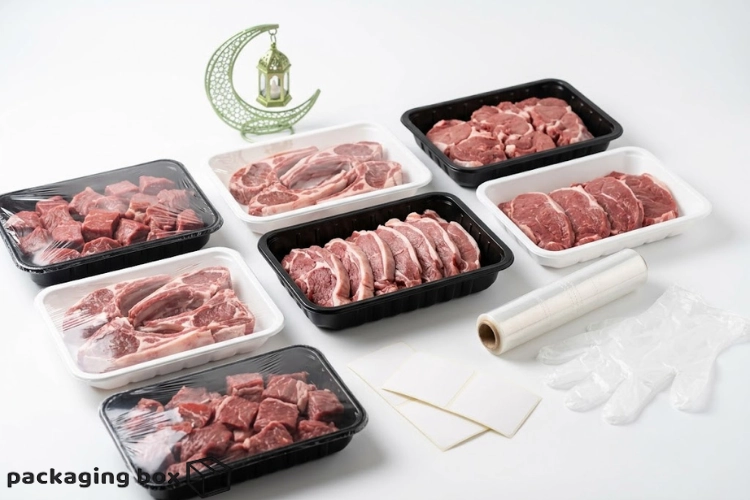
💡 At PackagingBox.pk, you can explore our dedicated Meat Tray collection featuring both Black Meat Trays and White Meat Trays — designed to meet modern food safety standards.
✅ Why BPA-Free Meat Trays Are Better for Health
Let’s answer this directly: Why are BPA-free meat trays better for health?
Here’s a clear breakdown of the health advantages:
1. Zero Chemical Migration
BPA-free materials are chemically stable. They don’t break down or leach harmful compounds into raw meat — even when stored in cold or slightly warm conditions.
2. Hormone Disruptor-Free
By eliminating BPA, you eliminate the risk of endocrine disruption — protecting hormonal health for the entire family, especially children and pregnant women.
3. Safer Long-Term Consumption
People eat meat multiple times per week. Even tiny amounts of BPA accumulating over years can have significant health consequences. Chemical-free food storage eliminates this cumulative risk entirely.
4. Better Meat Freshness
Food-safe meat trays made from PET or PP provide superior barrier properties — keeping oxygen out, locking freshness in, and reducing bacterial growth. This directly improves meat freshness packaging performance.
5. Compatible With Advanced Packaging Technologies
BPA-free trays work seamlessly with:
- Modified Atmosphere Packaging (MAP) — extends shelf life by replacing oxygen with protective gases
- Vacuum-sealed meat trays — removes all air to prevent oxidation
- Antimicrobial food trays — with built-in surface treatments that inhibit bacterial growth
🌍 The Environmental Case: Eco-Friendly Meat Packaging
Health isn’t the only reason the industry is moving toward sustainable meat packaging. The environmental impact of conventional packaging is devastating.
The Problem With Traditional Meat Packaging
- Over 300 million tons of plastic waste is generated globally each year
- Foam trays are among the top 10 most found items in ocean plastic surveys
- Most conventional meat trays end up in landfills, not recycling streams
How BPA-Free Trays Are Greener
Modern eco-friendly meat packaging solutions offer:
- Recyclable food trays — PET and HDPE trays are widely accepted in recycling programs
- Biodegradable meat packaging — PLA-based trays break down naturally in composting conditions
- Compostable meat trays — certified compostable options that return to the earth within months
- Reduced carbon footprint — lighter materials mean lower transport emissions
- Plastic-free meat trays — paper-based and fiber alternatives for zero-plastic operations
The future of food packaging is circular — where materials are designed to be reused, recycled, or composted rather than discarded.
🌿 Explore our full range of Eco-Friendly Products and Eco Cutlery to complement your sustainable packaging strategy.
🏪 Why Are Supermarkets Switching to BPA-Free Trays?
The shift isn’t just happening at the consumer level. Major supermarket chains and food retailers worldwide are actively replacing conventional trays with supermarket meat trays BPA-free alternatives. Here’s why:
Regulatory Pressure
Food packaging regulations are tightening globally:
- The EU has banned BPA in food contact materials for infants and is expanding restrictions
- The FDA continues to update its guidelines on food contact materials safety
- Many countries now require full ingredient disclosure for packaging materials
- ISO and HACCP standards increasingly demand chemical-free food contact compliance
Consumer Demand
Modern shoppers are label-readers. They check ingredients, certifications, and packaging claims. Brands that visibly commit to non-toxic meat trays and BPA-free food containers for meat earn stronger consumer trust and loyalty.
Brand Reputation
One food safety scandal can destroy years of brand equity. Switching to food packaging safety standards-compliant trays is a proactive investment in brand protection.
Cost Efficiency Over Time
While BPA-free trays may have a slightly higher upfront cost, they deliver:
- Fewer product returns due to spoilage
- Lower liability risk from contamination claims
- Better shelf appeal leading to higher sales conversion
- Compatibility with premium pricing strategies
🔬 How to Choose Safe Meat Packaging
Not all “BPA-free” labels are equal. Here’s a practical guide to choosing the right safe meat packaging solutions for your business:
Step 1: Verify Material Certification
Look for trays certified by:
- FDA (Food and Drug Administration)
- EFSA (European Food Safety Authority)
- BRC Global Standards
- ISO 22000 Food Safety Management
Step 2: Check for Full Chemical Transparency
BPA-free doesn’t automatically mean all chemicals are safe. Watch out for BPS (Bisphenol S) and BPF (Bisphenol F) — common BPA substitutes that may carry similar risks. Ask suppliers for full material safety data sheets.
Step 3: Match Tray to Application
- Retail display → Clear PET trays for maximum product visibility
- Butcher/wholesale → Rigid HDPE trays for durability
- Premium/organic brands → Biodegradable or compostable trays for brand alignment
- Extended shelf life → MAP-compatible trays with superior barrier properties
Step 4: Consider Packaging Ecosystem
Your meat tray doesn’t work alone. Consider pairing it with:
- Leak-proof meat packaging liners or absorbent pads
- Cling film for overwrapping — check out our Cling Film Roll for professional-grade wrapping
- Hygienic gloves for handling — browse our Disposable Gloves range
Step 5: Evaluate Sustainability Credentials
Choose suppliers who can demonstrate:
- Recyclability certifications
- Reduced plastic content
- Responsible sourcing practices
📦 The Future of Sustainable Meat Packaging: What’s Coming Next?
The meat packaging innovation pipeline is exciting. Here’s what the next generation of food-safe meat trays looks like:
1. Smart Packaging
Trays embedded with time-temperature indicators that change color when meat is approaching spoilage — giving consumers real-time freshness data.
2. Active Packaging
Trays infused with natural antimicrobial agents (like rosemary extract or silver ions) that actively inhibit bacterial growth — extending shelf life without preservatives.
3. Fully Compostable Trays
Next-generation compostable meat trays made from sugarcane bagasse, cassava starch, or seaweed — completely plastic-free and home-compostable within 90 days.
4. Edible Packaging
Still in early development, but edible coatings and films made from proteins and polysaccharides could eventually replace plastic wrapping for certain meat products entirely.
5. Blockchain-Verified Packaging
Packaging with QR codes linked to blockchain records — allowing consumers to trace the exact origin, handling, and safety certification of both the meat and its packaging.
The future of food packaging is intelligent, transparent, and chemical-free. Businesses that adapt now will lead the market tomorrow.
🛒 Where to Find Quality BPA-Free Meat Trays in Pakistan
If you’re a butcher, meat retailer, restaurant owner, or food business in Pakistan looking for food-grade BPA-free meat trays, PackagingBox.pk has you covered.
Our meat tray range includes:
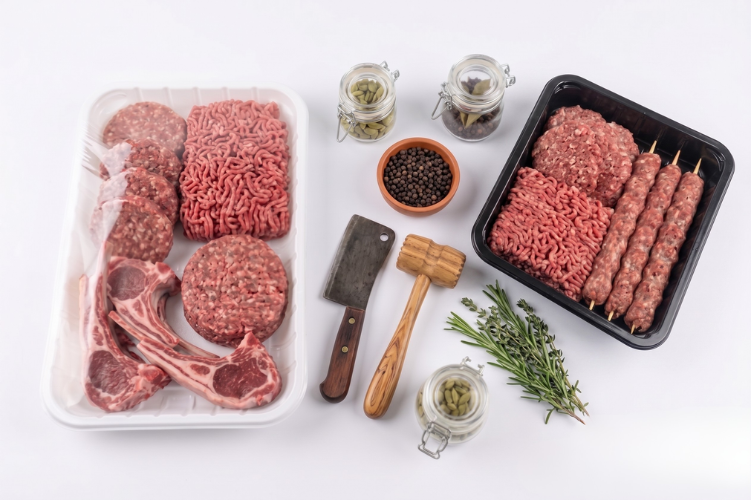
- 🖤 Black Meat Tray — Premium, food-safe black trays ideal for retail display and premium meat presentation
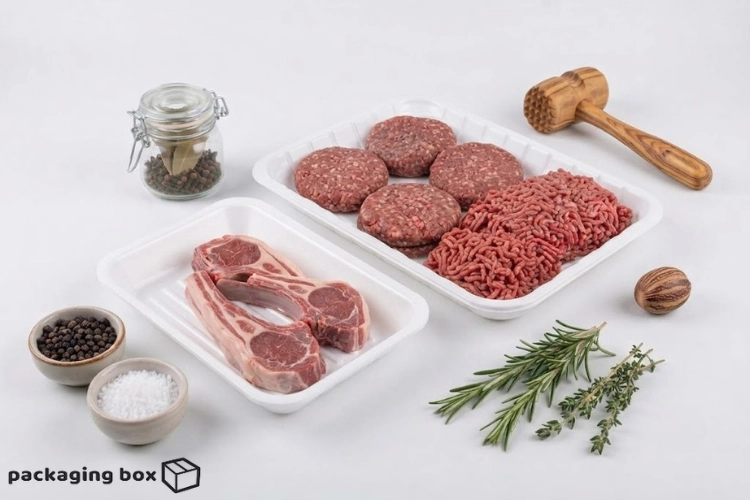
- 🤍 White Meat Tray — Classic white food-safe trays perfect for supermarkets and butcher shops
Both options are manufactured to meet food contact materials safety standards — giving you and your customers complete peace of mind.
Looking for complementary packaging? Explore our broader range:
- Transparent Food Containers — for visibility and freshness
- Aluminum Foil Containers — for heat-resistant food storage
- Kraft Trays — eco-friendly serving and display trays
- Disposable Packaging — full range of hygienic food service solutions
- Wooden Boat Trays — natural, chemical-free serving options
💡 Conclusion: The Choice Is Clear
The evidence is overwhelming. Food-grade BPA-free meat trays are not a premium luxury — they are the responsible standard for any business that takes food safety seriously.
From protecting consumer health by eliminating hormone-disrupting chemicals, to meeting tightening food packaging regulations, to reducing environmental impact through recyclable and biodegradable meat packaging — BPA-free trays deliver on every front.
The old foam tray era is ending. The era of safe meat packaging solutions that are good for people, good for the planet, and good for business has arrived.
Make the switch today. Your customers will taste the difference in quality — and feel the difference in trust.
📣 Call to Action
Ready to upgrade your meat packaging to food-safe, BPA-free standards?
👉 Shop Our Meat Tray Collection at PackagingBox.pk and find the perfect food-grade packaging solution for your business.
Have questions about bulk orders or custom requirements? Contact us today — we’re here to help you package smarter, safer, and more sustainably.









💬 0 Comments
Leave a Comment